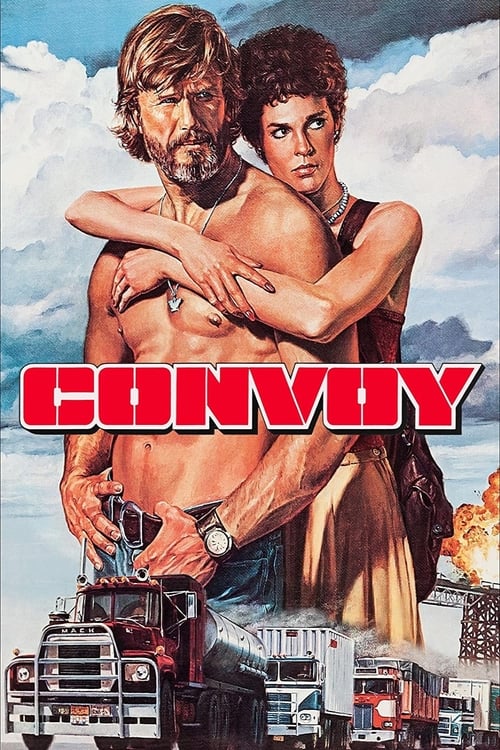
Convoy
Trucker Rubber Duck and his buddies Pig Pen, Widow Woman and Spider Mike use their CB radios to warn one another of the presence of cops. But conniving Sheriff Wallace is hip to the truckers' tactics, and begins tricking the drivers through his own CB broadcasts. Facing constant harassment from the law, Rubber Duck and his pals use their radios to coordinate a vast convoy and rule the road.
Despite its modest budget of $12.0M, Convoy became a solid performer, earning $45.0M worldwide—a 275% return. The film's unique voice attracted moviegoers, illustrating how strong storytelling can transcend budget limitations.
3 wins & 1 nomination


Plot Structure
Story beats plotted across runtime


Narrative Arc
Emotional journey through the story's key moments
Story Circle
Blueprint 15-beat structure
Arcplot Score Breakdown
Weighted: Precision (70%) + Arc (15%) + Theme (15%)
Convoy (1978) exhibits strategically placed narrative architecture, characteristic of Sam Peckinpah's storytelling approach. This structural analysis examines how the film's 15-point plot structure maps to proven narrative frameworks across 1 hour and 50 minutes. With an Arcplot score of 6.4, the film takes an unconventional approach to traditional narrative frameworks.
Characters
Cast & narrative archetypes
Martin "Rubber Duck" Penwald

Melissa

Sheriff Lyle "Cottonmouth" Wallace

Bobby "Love Machine" / "Pig Pen"

Spider Mike
Widow Woman
Governor Jerry Haskins
Main Cast & Characters
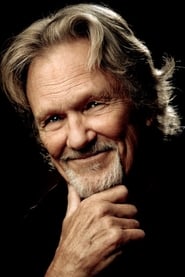
Martin "Rubber Duck" Penwald
Played by Kris Kristofferson
A free-spirited trucker who becomes the reluctant leader of a protest convoy against corrupt law enforcement and regulations.
Melissa
Played by Ali MacGraw
A photographer who joins the convoy and documents the journey, becoming romantically involved with Rubber Duck.
Sheriff Lyle "Cottonmouth" Wallace
Played by Ernest Borgnine
A vindictive, corrupt sheriff who pursues the convoy with personal vendetta against Rubber Duck.
Bobby "Love Machine" / "Pig Pen"
Played by Burt Young
Rubber Duck's close friend and fellow trucker who supports the convoy throughout the journey.
Spider Mike
Played by Franklyn Ajaye
A loyal trucker and member of the convoy who stands by Rubber Duck.
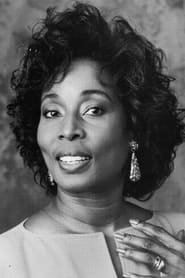
Widow Woman
Played by Madge Sinclair
A tough female trucker who joins and supports the convoy movement.
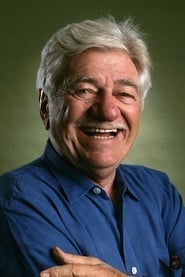
Governor Jerry Haskins
Played by Seymour Cassel
The New Mexico governor who tries to mediate the situation and turn the convoy into political capital.
Structural Analysis
The Status Quo at 1 minutes (1% through the runtime) establishes Rubber Duck and other truckers communicate via CB radio while driving across the Arizona desert, establishing the camaraderie and independence of trucker culture.. Notably, this early placement immediately immerses viewers in the story world.
The inciting incident occurs at 13 minutes when Sheriff Wallace deliberately provokes Rubber Duck at a truck stop diner, leading to a violent confrontation where Duck and his friends fight back against the corrupt lawman.. At 12% through the film, this Disruption aligns precisely with traditional story structure. This beat shifts the emotional landscape, launching the protagonist into the central conflict.
The First Threshold at 28 minutes marks the transition into Act II, occurring at 25% of the runtime. This indicates the protagonist's commitment to Rubber Duck makes the active choice to lead the growing convoy across state lines into New Mexico, transforming from a lone trucker into a reluctant symbol of rebellion., moving from reaction to action.
At 56 minutes, the Midpoint arrives at 51% of the runtime—precisely centered, creating perfect narrative symmetry. Structural examination shows that this crucial beat The convoy achieves a false victory when Governor Haskins publicly supports them and promises to investigate police corruption, making Duck a national hero and the movement seemingly successful., fundamentally raising what's at risk. The emotional intensity shifts, dividing the narrative into clear before-and-after phases.
The Collapse moment at 82 minutes (75% through) represents the emotional nadir. Here, Spider Mike is killed during a violent confrontation at a roadblock, providing the literal death that shatters Duck's illusions about the convoy remaining peaceful and free., indicates the protagonist at their lowest point. This beat's placement in the final quarter sets up the climactic reversal.
The Second Threshold at 87 minutes initiates the final act resolution at 79% of the runtime. Duck decides to make one final run to the border, not for politics or glory, but to honor Spider Mike and give meaning to the sacrifice, choosing freedom over compromise., demonstrating the transformation achieved throughout the journey.
Emotional Journey
Convoy's emotional architecture traces a deliberate progression across 15 carefully calibrated beats.
Narrative Framework
This structural analysis employs systematic plot point analysis that identifies crucial turning points. By mapping Convoy against these established plot points, we can identify how Sam Peckinpah utilizes or subverts traditional narrative conventions. The plot point approach reveals not only adherence to structural principles but also creative choices that distinguish Convoy within the action genre.
Sam Peckinpah's Structural Approach
Among the 5 Sam Peckinpah films analyzed on Arcplot, the average structural score is 7.1, reflecting strong command of classical structure. Convoy takes a more unconventional approach compared to the director's typical style. For comparative analysis, explore the complete Sam Peckinpah filmography.
Comparative Analysis
Additional action films include The Bad Guys, Puss in Boots and Venom: The Last Dance. For more Sam Peckinpah analyses, see Pat Garrett & Billy the Kid, The Getaway and The Ballad of Cable Hogue.
Plot Points by Act
Act I
SetupStatus Quo
Rubber Duck and other truckers communicate via CB radio while driving across the Arizona desert, establishing the camaraderie and independence of trucker culture.
Theme
Spider Mike mentions how they're all just trying to make a living while the law keeps squeezing them harder, introducing the theme of individual freedom versus corrupt authority.
Worldbuilding
Introduction to the trucker world: CB culture, speed traps, relationships between drivers, and the hostile dynamic with Sheriff Lyle "Cottonmouth" Wallace who harasses truckers for bribes.
Disruption
Sheriff Wallace deliberately provokes Rubber Duck at a truck stop diner, leading to a violent confrontation where Duck and his friends fight back against the corrupt lawman.
Resistance
Duck debates whether to flee or surrender, but more truckers join him on the CB. The convoy begins forming spontaneously as truckers hear about the incident and rally together in solidarity.
Act II
ConfrontationFirst Threshold
Rubber Duck makes the active choice to lead the growing convoy across state lines into New Mexico, transforming from a lone trucker into a reluctant symbol of rebellion.
Mirror World
Photographer Melissa arrives and begins documenting the convoy, representing the media and public perception that will transform Duck from driver to folk hero.
Premise
The convoy grows larger and becomes a media sensation. Duck navigates negotiations with Governor Haskins while enjoying the freedom and power of the movement, though he remains ambivalent about being a leader.
Midpoint
The convoy achieves a false victory when Governor Haskins publicly supports them and promises to investigate police corruption, making Duck a national hero and the movement seemingly successful.
Opposition
The authorities close in with roadblocks and National Guard deployment. Internal tensions rise as Duck realizes he's being used politically. Sheriff Wallace pursues relentlessly, and the convoy faces increasing violence and pressure.
Collapse
Spider Mike is killed during a violent confrontation at a roadblock, providing the literal death that shatters Duck's illusions about the convoy remaining peaceful and free.
Crisis
Duck mourns Spider Mike and contemplates giving up. He realizes the convoy has become something beyond his control, a symbol that politicians and media have exploited while real people pay the price.
Act III
ResolutionSecond Threshold
Duck decides to make one final run to the border, not for politics or glory, but to honor Spider Mike and give meaning to the sacrifice, choosing freedom over compromise.
Synthesis
The final confrontation at the border bridge where Duck crashes through in a blaze of glory. The authorities destroy his truck, but Duck escapes, leaving the symbol intact while reclaiming his individual freedom.
Transformation
Duck is revealed to have survived and disappeared into Mexico, rejecting both martyrdom and the system. The legend lives on while the man reclaims his anonymity and freedom.