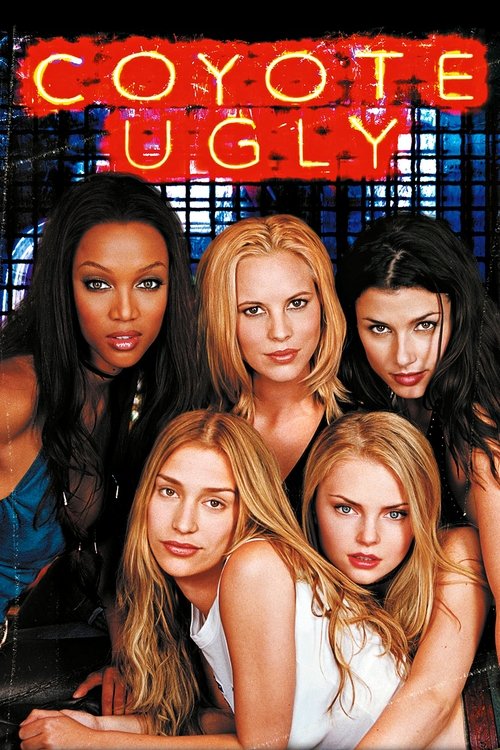
Coyote Ugly
Graced with a velvet voice, 21-year-old Violet Sanford heads to New York to pursue her dream of becoming a songwriter only to find her aspirations sidelined by the accolades and notoriety she receives at her "day" job as a barmaid at Coyote Ugly. The "Coyotes" as they are affectionately called tantalize customers and the media alike with their outrageous antics, making Coyote Ugly the watering hole for guys on the prowl.
Despite a moderate budget of $45.0M, Coyote Ugly became a financial success, earning $113.9M worldwide—a 153% return.
4 wins & 8 nominations


Plot Structure
Story beats plotted across runtime


Narrative Arc
Emotional journey through the story's key moments
Story Circle
Blueprint 15-beat structure
Arcplot Score Breakdown
Weighted: Precision (70%) + Arc (15%) + Theme (15%)
Coyote Ugly (2000) showcases deliberately positioned plot construction, characteristic of David McNally's storytelling approach. This structural analysis examines how the film's 15-point plot structure maps to proven narrative frameworks across 1 hour and 40 minutes. With an Arcplot score of 7.3, the film balances conventional beats with creative variation.
Characters
Cast & narrative archetypes

Violet Sanford
Kevin O'Donnell
Lil
Cammie
Rachel
Zoe
Bill Sanford
Main Cast & Characters
Violet Sanford
Played by Piper Perabo
An aspiring songwriter from New Jersey who moves to New York to pursue her dreams but struggles with stage fright.
Kevin O'Donnell
Played by Adam Garcia
A wealthy Australian businessman who becomes Violet's love interest and supports her musical ambitions.
Lil
Played by Maria Bello
The tough, no-nonsense owner of Coyote Ugly bar who takes Violet under her wing and becomes her mentor.
Cammie
Played by Izabella Miko
A bold and experienced Coyote bartender who befriends Violet and helps her adapt to the wild bar culture.
Rachel
Played by Bridget Moynahan
One of the Coyote bartenders, confident and supportive of Violet's journey into the bar scene.
Zoe
Played by Tyra Banks
Another Coyote bartender who forms part of Violet's new sisterhood in New York.
Bill Sanford
Played by John Goodman
Violet's widowed father who struggles to let go of his daughter and support her dreams of leaving home.
Structural Analysis
The Status Quo at 1 minutes (1% through the runtime) establishes Violet performs at her father's bar in New Jersey, comfortable and confident in her safe home environment, dreaming of becoming a songwriter in New York City.. Structural examination shows that this early placement immediately immerses viewers in the story world.
The inciting incident occurs at 10 minutes when Violet is flat broke and desperate after failing to get songwriting work. She discovers Coyote Ugly bar and is initially shocked by the wild, sexualized atmosphere—completely opposite to her shy nature.. At 10% through the film, this Disruption aligns precisely with traditional story structure. This beat shifts the emotional landscape, launching the protagonist into the central conflict.
The First Threshold at 23 minutes marks the transition into Act II, occurring at 23% of the runtime. This illustrates the protagonist's commitment to Violet auditions and accepts the job as a "Coyote," making the active choice to enter this wild new world to survive in New York and fund her songwriting dreams., moving from reaction to action.
At 49 minutes, the Midpoint arrives at 49% of the runtime—precisely centered, creating perfect narrative symmetry. Notably, this crucial beat False victory: Violet's song gets noticed by a music industry contact through Kevin's connection. She's offered an audition to perform her songs live, but this raises the stakes—she must confront her paralyzing stage fright., fundamentally raising what's at risk. The emotional intensity shifts, dividing the narrative into clear before-and-after phases.
The Collapse moment at 73 minutes (73% through) represents the emotional nadir. Here, Violet freezes completely during her crucial audition, unable to perform in front of the music executives. Her dream dies in humiliating failure. Her father discovers her Coyote job through a tabloid photo, leading to painful confrontation., reveals the protagonist at their lowest point. This beat's placement in the final quarter sets up the climactic reversal.
The Second Threshold at 78 minutes initiates the final act resolution at 78% of the runtime. Lil and the Coyotes give Violet tough love, reminding her that real courage means performing despite fear. Kevin's earlier words about authenticity click. Violet realizes she must synthesize both worlds—be vulnerable AND strong., demonstrating the transformation achieved throughout the journey.
Emotional Journey
Coyote Ugly's emotional architecture traces a deliberate progression across 15 carefully calibrated beats.
Narrative Framework
This structural analysis employs structural analysis methodology used to understand storytelling architecture. By mapping Coyote Ugly against these established plot points, we can identify how David McNally utilizes or subverts traditional narrative conventions. The plot point approach reveals not only adherence to structural principles but also creative choices that distinguish Coyote Ugly within the comedy genre.
David McNally's Structural Approach
Among the 2 David McNally films analyzed on Arcplot, the average structural score is 7.0, reflecting strong command of classical structure. Coyote Ugly represents one of the director's most structurally precise works. For comparative analysis, explore the complete David McNally filmography.
Comparative Analysis
Additional comedy films include The Bad Guys, Ella Enchanted and The Evening Star. For more David McNally analyses, see Kangaroo Jack.
Plot Points by Act
Act I
SetupStatus Quo
Violet performs at her father's bar in New Jersey, comfortable and confident in her safe home environment, dreaming of becoming a songwriter in New York City.
Theme
Violet's father tells her, "Sometimes you have to take a leap of faith," foreshadowing her need to risk everything and be vulnerable to achieve her dreams.
Worldbuilding
Violet arrives in New York City with her demo tapes, attempts to get her music heard at record companies, faces repeated rejections, runs out of money, and struggles to find work. Her naivety about the music industry is exposed.
Disruption
Violet is flat broke and desperate after failing to get songwriting work. She discovers Coyote Ugly bar and is initially shocked by the wild, sexualized atmosphere—completely opposite to her shy nature.
Resistance
Violet debates taking a job at Coyote Ugly, which goes against everything she knows. She meets Lil, the tough bar owner who becomes a reluctant mentor. Violet struggles with whether to compromise her values for survival.
Act II
ConfrontationFirst Threshold
Violet auditions and accepts the job as a "Coyote," making the active choice to enter this wild new world to survive in New York and fund her songwriting dreams.
Mirror World
Violet meets Kevin, an aspiring photographer who sees through her tough Coyote exterior to her authentic self. He represents the relationship that will teach her about vulnerability and being true to herself.
Premise
The "fun and games" of working at Coyote Ugly: Violet learns to dance on the bar, gains confidence, bonds with the other Coyotes, makes money, and enjoys her double life. Romance with Kevin develops while she writes songs in private.
Midpoint
False victory: Violet's song gets noticed by a music industry contact through Kevin's connection. She's offered an audition to perform her songs live, but this raises the stakes—she must confront her paralyzing stage fright.
Opposition
Violet's stage fright intensifies as the audition approaches. She hides her Coyote job from her father and her songwriting dreams from the Coyotes, living a fragmented life. Kevin pushes her to be authentic. Tension builds between her fear and her dreams.
Collapse
Violet freezes completely during her crucial audition, unable to perform in front of the music executives. Her dream dies in humiliating failure. Her father discovers her Coyote job through a tabloid photo, leading to painful confrontation.
Crisis
Violet spirals into despair, feeling she's failed at everything. She pushes Kevin away and isolates herself. She must face the truth: her fear of vulnerability has sabotaged her dreams. Dark night of self-reflection.
Act III
ResolutionSecond Threshold
Lil and the Coyotes give Violet tough love, reminding her that real courage means performing despite fear. Kevin's earlier words about authenticity click. Violet realizes she must synthesize both worlds—be vulnerable AND strong.
Synthesis
Violet returns to Coyote Ugly and performs her own song live on the bar for the first time, conquering her stage fright in front of a packed crowd. She reconciles with her father and Kevin, embracing her complete authentic self—songwriter AND performer.
Transformation
Violet confidently performs her music at a legitimate venue, having found her voice both literally and metaphorically. She's integrated all parts of herself—no longer hiding, no longer afraid. The shy girl from New Jersey has transformed into an authentic artist.