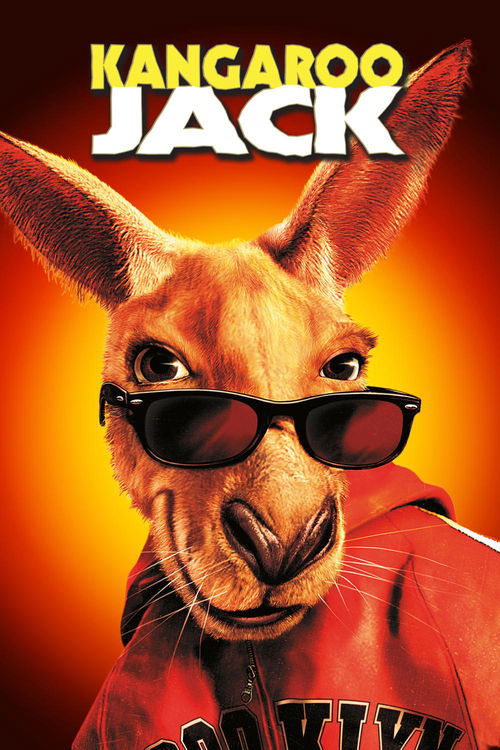
Kangaroo Jack
Two childhood friends — a New York hairstylist and a wanna-be musician — get mixed-up with the mob and are forced to deliver $50,000 to Australia, but things go all wrong when the money is lost to a wild kangaroo.
Working with a mid-range budget of $60.0M, the film achieved a steady performer with $88.9M in global revenue (+48% profit margin).


Plot Structure
Story beats plotted across runtime


Narrative Arc
Emotional journey through the story's key moments
Story Circle
Blueprint 15-beat structure
Arcplot Score Breakdown
Weighted: Precision (70%) + Arc (15%) + Theme (15%)
Kangaroo Jack (2003) reveals carefully calibrated story structure, characteristic of David McNally's storytelling approach. This structural analysis examines how the film's 15-point plot structure maps to proven narrative frameworks across 1 hour and 29 minutes. With an Arcplot score of 6.8, the film balances conventional beats with creative variation.
Characters
Cast & narrative archetypes

Charlie Carbone
Louis Booker
Jessie
Salvatore "Sal" Maggio
Mr. Smith
Frankie Lombardo
Main Cast & Characters
Charlie Carbone
Played by Jerry O'Connell
A Brooklyn hairdresser and best friend of Louis who gets caught up in a mob delivery gone wrong in Australia.
Louis Booker
Played by Anthony Anderson
Charlie's streetwise best friend who accompanies him to Australia and constantly gets them into trouble.
Jessie
Played by Estella Warren
A wildlife conservationist in the Australian Outback who helps Charlie and Louis track down the kangaroo.
Salvatore "Sal" Maggio
Played by Christopher Walken
Charlie's stepfather and a mob boss who sends Charlie and Louis to Australia on what appears to be a simple delivery job.
Mr. Smith
Played by Marton Csokas
A dangerous criminal in Australia who is supposed to receive the mob's money delivery.
Frankie Lombardo
Played by Michael Shannon
Sal's right-hand man and enforcer who assists in mob operations.
Structural Analysis
The Status Quo at 1 minutes (1% through the runtime) establishes Charlie Carbone and Louis Booker are small-time hairdressers in Brooklyn, running scams and owing favors to Charlie's mobster stepfather Sal Maggio. Their life is chaotic but familiar.. Of particular interest, this early placement immediately immerses viewers in the story world.
The inciting incident occurs at 11 minutes when Sal orders Charlie and Louis to deliver $50,000 to a man named Mr. Smith in Australia. They discover the money is actually payment for a mob hit, making them unwitting accomplices to murder.. At 12% through the film, this Disruption aligns precisely with traditional story structure. This beat shifts the emotional landscape, launching the protagonist into the central conflict.
The First Threshold at 23 minutes marks the transition into Act II, occurring at 26% of the runtime. This shows the protagonist's commitment to Charlie and Louis arrive in the Australian Outback and begin their journey to deliver the money. They actively commit to entering this dangerous new world, leaving behind the safety of Brooklyn., moving from reaction to action.
At 45 minutes, the Midpoint arrives at 51% of the runtime—precisely centered, creating perfect narrative symmetry. The analysis reveals that this crucial beat False defeat: They finally catch up to the kangaroo but lose it again. Worse, they discover that Mr. Smith is actually a hitman hired to kill them after they deliver the money. The stakes are raised - they're now running for their lives., fundamentally raising what's at risk. The emotional intensity shifts, dividing the narrative into clear before-and-after phases.
The Collapse moment at 67 minutes (75% through) represents the emotional nadir. Here, Charlie and Louis are captured by Mr. Smith's men and brought to the desert to be executed. They face literal death as they're tied up and left to die. Their friendship seems broken as they argue about whose fault this is., indicates the protagonist at their lowest point. This beat's placement in the final quarter sets up the climactic reversal.
The Second Threshold at 71 minutes initiates the final act resolution at 80% of the runtime. The kangaroo reappears and helps them escape their bonds. Charlie and Louis gain new resolve - they'll work together as true friends to survive and make things right. They synthesize their Brooklyn street smarts with what they've learned in the Outback., demonstrating the transformation achieved throughout the journey.
Emotional Journey
Kangaroo Jack's emotional architecture traces a deliberate progression across 15 carefully calibrated beats.
Narrative Framework
This structural analysis employs systematic plot point analysis that identifies crucial turning points. By mapping Kangaroo Jack against these established plot points, we can identify how David McNally utilizes or subverts traditional narrative conventions. The plot point approach reveals not only adherence to structural principles but also creative choices that distinguish Kangaroo Jack within the action genre.
David McNally's Structural Approach
Among the 2 David McNally films analyzed on Arcplot, the average structural score is 7.0, reflecting strong command of classical structure. Kangaroo Jack takes a more unconventional approach compared to the director's typical style. For comparative analysis, explore the complete David McNally filmography.
Comparative Analysis
Additional action films include The Bad Guys, Puss in Boots and Venom: The Last Dance. For more David McNally analyses, see Coyote Ugly.
Plot Points by Act
Act I
SetupStatus Quo
Charlie Carbone and Louis Booker are small-time hairdressers in Brooklyn, running scams and owing favors to Charlie's mobster stepfather Sal Maggio. Their life is chaotic but familiar.
Theme
Sal tells Charlie that real friendship means loyalty and taking responsibility. This establishes the theme of friendship and what it means to truly grow up and be accountable.
Worldbuilding
Establishment of Charlie and Louis' friendship since childhood, their failed business ventures, Charlie's relationship with Jessie, and their dependence on Sal's mob connections. Shows their immaturity and inability to succeed on their own.
Disruption
Sal orders Charlie and Louis to deliver $50,000 to a man named Mr. Smith in Australia. They discover the money is actually payment for a mob hit, making them unwitting accomplices to murder.
Resistance
Charlie debates whether to follow through with the dangerous mission. Louis convinces him they have no choice. They prepare for the trip to Australia, discussing the risks and their fear of Sal.
Act II
ConfrontationFirst Threshold
Charlie and Louis arrive in the Australian Outback and begin their journey to deliver the money. They actively commit to entering this dangerous new world, leaving behind the safety of Brooklyn.
Mirror World
The kangaroo becomes the mirror character representing freedom and the wild, untamed spirit they lack. When they hit it with their Jeep and dress it in Louis' jacket as a joke, it springs to life and hops away with the $50,000.
Premise
The fun and games of chasing a kangaroo through the Outback. Charlie and Louis meet Jessie, hire a bush guide, and have comedic misadventures tracking the kangaroo. This is the promise of the premise - the absurd comedy of Americans chasing a kangaroo.
Midpoint
False defeat: They finally catch up to the kangaroo but lose it again. Worse, they discover that Mr. Smith is actually a hitman hired to kill them after they deliver the money. The stakes are raised - they're now running for their lives.
Opposition
Mr. Smith and his men actively hunt Charlie and Louis through the Outback. The guys' incompetence and bickering puts them in increasing danger. Their friendship is tested as they blame each other for their predicament.
Collapse
Charlie and Louis are captured by Mr. Smith's men and brought to the desert to be executed. They face literal death as they're tied up and left to die. Their friendship seems broken as they argue about whose fault this is.
Crisis
In their darkest moment facing death, Charlie and Louis reconcile. They apologize to each other and acknowledge their friendship is what truly matters. They realize they need to grow up and take responsibility for their lives.
Act III
ResolutionSecond Threshold
The kangaroo reappears and helps them escape their bonds. Charlie and Louis gain new resolve - they'll work together as true friends to survive and make things right. They synthesize their Brooklyn street smarts with what they've learned in the Outback.
Synthesis
Charlie and Louis outsmart Mr. Smith, recover the money, and contact authorities. They work together using both their wits and newfound maturity. Final confrontation where they prove they've grown from irresponsible boys into men who take accountability.
Transformation
Back in New York, Charlie and Louis have opened a successful legitimate business. Charlie is with Jessie. They've transformed from irresponsible scam artists into mature adults with real careers and relationships. The kangaroo appears one last time, symbolizing the wild adventure that changed them.