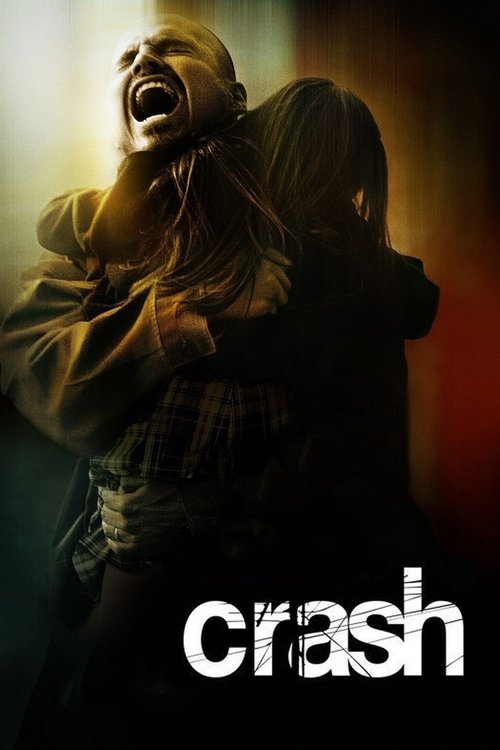
Crash
In post-Sept. 11 Los Angeles, tensions erupt when the lives of a Brentwood housewife, her district attorney husband, a Persian shopkeeper, two cops, a pair of carjackers and a Korean couple converge during a 36-hour period.
Despite its modest budget of $6.5M, Crash became a box office phenomenon, earning $98.4M worldwide—a remarkable 1414% return. The film's distinctive approach connected with viewers, showing that strong storytelling can transcend budget limitations.
3 Oscars. 66 wins & 112 nominations


Plot Structure
Story beats plotted across runtime


Narrative Arc
Emotional journey through the story's key moments
Story Circle
Blueprint 15-beat structure
Arcplot Score Breakdown
Weighted: Precision (70%) + Arc (15%) + Theme (15%)
Crash (2005) exhibits precise dramatic framework, characteristic of Paul Haggis's storytelling approach. This structural analysis examines how the film's 15-point plot structure maps to proven narrative frameworks across 1 hour and 52 minutes. With an Arcplot score of 6.9, the film balances conventional beats with creative variation.
Characters
Cast & narrative archetypes

Detective Graham Waters
Officer John Ryan
Officer Tom Hansen
Cameron Thayer
Christine Thayer
Anthony
Peter Waters
Jean Cabot
Rick Cabot
Daniel
Farhad
Main Cast & Characters
Detective Graham Waters
Played by Don Cheadle
An LAPD detective navigating personal and professional conflicts while investigating a racially-charged case. Struggles with his relationship with his mother and partner Ria.
Officer John Ryan
Played by Matt Dillon
A veteran LAPD officer whose racism and personal frustrations lead to abuse of power. Caring for his ailing father while harboring deep resentment.
Officer Tom Hansen
Played by Ryan Phillippe
A young idealistic LAPD officer who requests a new partner after witnessing Ryan's racist behavior. Struggles with his own unconscious biases.
Cameron Thayer
Played by Terrence Howard
A successful African-American television director who faces humiliation and must confront his own identity and choices when targeted by racist police.
Christine Thayer
Played by Thandiwe Newton
Cameron's wife who is sexually assaulted during a traffic stop. Her trauma and anger force her to confront both racism and her husband's passivity.
Anthony
Played by Chris 'Ludacris' Bridges
A car thief who rationalizes his crimes through his perceptions of racism. Partners with Peter in criminal activity while espousing social commentary.
Peter Waters
Played by Larenz Tate
Graham's younger brother involved in criminal activity with Anthony. His choices ultimately lead to tragic consequences.
Jean Cabot
Played by Sandra Bullock
The anxious wife of the district attorney who becomes increasingly paranoid and racist after being carjacked. Isolated and fearful in her privileged life.
Rick Cabot
Played by Brendan Fraser
Los Angeles District Attorney who prioritizes political optics over justice. Manipulates racial incidents for electoral advantage.
Daniel
Played by Michael Peña
A Latino locksmith trying to provide for his daughter while facing prejudice and suspicion. Represents working-class dignity amid racial profiling.
Farhad
Played by Shaun Toub
A Persian shop owner who struggles with language barriers and cultural misunderstandings. His anger and fear lead him to violent confrontation.
Structural Analysis
The Status Quo at 1 minutes (1% through the runtime) establishes Detective Waters and Ria are at a car accident scene in the early morning. Waters philosophizes about how in LA, people miss the sense of touch, setting the isolated, disconnected emotional baseline of the city.. Notably, this early placement immediately immerses viewers in the story world.
The inciting incident occurs at 13 minutes when Officer Ryan pulls over Cameron and Christine Thayer. In a racially charged traffic stop, Ryan sexually molests Christine while her husband watches helplessly, unable to protect her. This violation disrupts multiple character trajectories and exposes the abuse of power.. At 11% through the film, this Disruption aligns precisely with traditional story structure. This beat shifts the emotional landscape, launching the protagonist into the central conflict.
The First Threshold at 27 minutes marks the transition into Act II, occurring at 24% of the runtime. This shows the protagonist's commitment to Officer Hanson actively requests a transfer from Ryan, citing "personal" and "lifestyle" differences. This choice commits him to a new path, separating from the openly racist mentor and attempting to forge his own identity., moving from reaction to action.
At 55 minutes, the Midpoint arrives at 50% of the runtime—precisely centered, creating perfect narrative symmetry. Significantly, this crucial beat The Persian shop owner arrives home to find his store vandalized with racist graffiti. Believing Daniel sabotaged the lock, he arms himself to seek revenge. This false defeat raises the stakes—innocent connections are about to turn deadly due to prejudice and miscommunication., fundamentally raising what's at risk. The emotional intensity shifts, dividing the narrative into clear before-and-after phases.
The Collapse moment at 84 minutes (75% through) represents the emotional nadir. Here, The Persian man confronts Daniel at his home and shoots him in front of his young daughter Lara. The moment carries a literal "whiff of death"—though Lara is miraculously unharmed (the gun had blank bullets), the innocence dies. This is the darkest moment, where prejudice nearly destroys the film's most innocent character., shows the protagonist at their lowest point. This beat's placement in the final quarter sets up the climactic reversal.
The Second Threshold at 89 minutes initiates the final act resolution at 79% of the runtime. Officer Hanson picks up hitchhiker Peter and their interaction turns tense over a misunderstanding about a dashboard statue. Hanson's fear and assumptions lead him to shoot Peter. This realization—that even the "good" cop who rejected Ryan still harbors lethal prejudice—provides the terrible synthesis., demonstrating the transformation achieved throughout the journey.
Emotional Journey
Crash's emotional architecture traces a deliberate progression across 15 carefully calibrated beats.
Narrative Framework
This structural analysis employs systematic plot point analysis that identifies crucial turning points. By mapping Crash against these established plot points, we can identify how Paul Haggis utilizes or subverts traditional narrative conventions. The plot point approach reveals not only adherence to structural principles but also creative choices that distinguish Crash within the drama genre.
Paul Haggis's Structural Approach
Among the 3 Paul Haggis films analyzed on Arcplot, the average structural score is 7.0, reflecting strong command of classical structure. Crash takes a more unconventional approach compared to the director's typical style. For comparative analysis, explore the complete Paul Haggis filmography.
Comparative Analysis
Additional drama films include After Thomas, South Pacific and Dirty Dancing: Havana Nights. For more Paul Haggis analyses, see The Next Three Days, In the Valley of Elah.
Plot Points by Act
Act I
SetupStatus Quo
Detective Waters and Ria are at a car accident scene in the early morning. Waters philosophizes about how in LA, people miss the sense of touch, setting the isolated, disconnected emotional baseline of the city.
Theme
The Persian shop owner's daughter tells her father "You think you're being tough, but you're just being mean." The theme of prejudice masquerading as self-protection is introduced through this dialogue.
Worldbuilding
Introduction of the ensemble cast across multiple interconnected stories: the Cabot carjacking, Officer Ryan's encounter with his father's medical issues, the locksmith Daniel working for the Cabots, Detective Waters' investigation, and the Persian shop owner's gun purchase. The fragmented, prejudiced world of LA is established.
Disruption
Officer Ryan pulls over Cameron and Christine Thayer. In a racially charged traffic stop, Ryan sexually molests Christine while her husband watches helplessly, unable to protect her. This violation disrupts multiple character trajectories and exposes the abuse of power.
Resistance
Characters navigate the aftermath of disruptions: Christine confronts Cameron about his passivity, Rick Cabot deals with public perception concerns, Officer Hanson debates requesting a new partner, and the Persian man struggles with the broken lock. Each character resists or debates how to respond to their new circumstances.
Act II
ConfrontationFirst Threshold
Officer Hanson actively requests a transfer from Ryan, citing "personal" and "lifestyle" differences. This choice commits him to a new path, separating from the openly racist mentor and attempting to forge his own identity.
Mirror World
Daniel the locksmith interacts with his young daughter, Lara, who is afraid after their move to a new neighborhood. Their relationship represents innocence, genuine connection, and the next generation who might transcend prejudice—the thematic counterpoint to the adult world of fear and racism.
Premise
The ensemble explores the premise of interconnected prejudice: Anthony and Peter debate racism while carjacking, Cameron faces workplace discrimination, Jean Cabot's paranoia escalates, the Persian man is humiliated at the gun store, and characters' assumptions about each other based on race repeatedly prove destructive or misguided.
Midpoint
The Persian shop owner arrives home to find his store vandalized with racist graffiti. Believing Daniel sabotaged the lock, he arms himself to seek revenge. This false defeat raises the stakes—innocent connections are about to turn deadly due to prejudice and miscommunication.
Opposition
Pressure intensifies across all storylines: Cameron is pulled over again and nearly killed in a confrontation with police, Christine and Cameron's marriage deteriorates, Jean falls down the stairs with only her housekeeper to help, and the Persian man tracks down Daniel. Characters' flaws and prejudices close in on them with escalating consequences.
Collapse
The Persian man confronts Daniel at his home and shoots him in front of his young daughter Lara. The moment carries a literal "whiff of death"—though Lara is miraculously unharmed (the gun had blank bullets), the innocence dies. This is the darkest moment, where prejudice nearly destroys the film's most innocent character.
Crisis
Characters process their lowest points: Daniel and his wife hold their miraculously alive daughter, the Persian man grapples with what he almost did, and Officer Hanson drives alone through the city, carrying his own unexamined biases that are about to surface.
Act III
ResolutionSecond Threshold
Officer Hanson picks up hitchhiker Peter and their interaction turns tense over a misunderstanding about a dashboard statue. Hanson's fear and assumptions lead him to shoot Peter. This realization—that even the "good" cop who rejected Ryan still harbors lethal prejudice—provides the terrible synthesis.
Synthesis
The finale resolves storylines: Officer Ryan rescues Christine from a car crash (redemption through action), Detective Waters discovers the victim is his brother (consequence of disconnection), Anthony chooses mercy by freeing trafficked immigrants, and characters face the consequences of their prejudices and rare moments of grace.
Transformation
Detective Waters returns to the same accident scene from the opening, now revealed to be his brother's death. The closing image mirrors the opening but with devastating knowledge—we see the cost of disconnection and prejudice, though whether true transformation has occurred remains ambiguous.