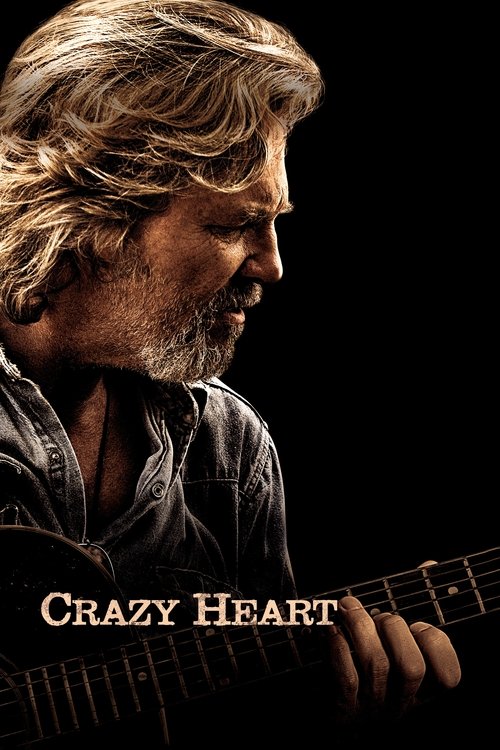
Crazy Heart
When reporter Jean Craddock interviews Bad Blake—an alcoholic, seen-better-days country music legend—they connect, and the hard-living crooner sees a possible saving grace in a life with Jean and her young son.
Despite its tight budget of $7.0M, Crazy Heart became a commercial juggernaut, earning $47.4M worldwide—a remarkable 577% return. The film's innovative storytelling attracted moviegoers, confirming that strong storytelling can transcend budget limitations.
2 Oscars. 40 wins & 33 nominations


Plot Structure
Story beats plotted across runtime


Narrative Arc
Emotional journey through the story's key moments
Story Circle
Blueprint 15-beat structure
Arcplot Score Breakdown
Weighted: Precision (70%) + Arc (15%) + Theme (15%)
Crazy Heart (2009) reveals strategically placed narrative design, characteristic of Scott Cooper's storytelling approach. This structural analysis examines how the film's 15-point plot structure maps to proven narrative frameworks across 1 hour and 52 minutes. With an Arcplot score of 7.2, the film balances conventional beats with creative variation.
Characters
Cast & narrative archetypes

Bad Blake
Jean Craddock
Tommy Sweet
Wayne
Main Cast & Characters
Bad Blake
Played by Jeff Bridges
A broken-down, alcoholic country music legend struggling to redeem his life and career.
Jean Craddock
Played by Maggie Gyllenhaal
A single mother and journalist who falls in love with Bad and challenges him to change.
Tommy Sweet
Played by Colin Farrell
Bad's former protégé who has become a major country music star, now overshadowing his mentor.
Wayne
Played by Robert Duvall
Bad's loyal friend and bartender who provides steady support and work opportunities.
Structural Analysis
The Status Quo at 1 minutes (1% through the runtime) establishes Bad Blake, a washed-up country music singer, performs at a bowling alley in Pueblo, Colorado. He's drunk, divorced four times, and living out of his 1978 Suburban, playing small venues for little money. The opening establishes his rock-bottom existence.. Significantly, this early placement immediately immerses viewers in the story world.
The inciting incident occurs at 12 minutes when In Santa Fe, Bad meets Jean Craddock, a young single mother and journalist who interviews him for a local paper. She represents something different—authenticity, hope, a chance at connection. Their chemistry is immediate despite the age difference.. At 11% through the film, this Disruption aligns precisely with traditional story structure. This beat shifts the emotional landscape, launching the protagonist into the central conflict.
The First Threshold at 29 minutes marks the transition into Act II, occurring at 26% of the runtime. This demonstrates the protagonist's commitment to Bad actively chooses to pursue a relationship with Jean. He opens up to her about his past, his music, and his regrets. He begins writing new songs again, inspired by her. This is his conscious decision to try to change his life and be worthy of her love., moving from reaction to action.
At 56 minutes, the Midpoint arrives at 50% of the runtime—precisely centered, creating perfect narrative symmetry. The analysis reveals that this crucial beat False victory: Bad performs with Tommy Sweet to a huge arena crowd. Tommy offers him a generous deal to write songs and open more shows. Jean tells Bad she loves him. Everything seems to be working out—his career is reviving, he has love, respect is returning. But his drinking continues unabated., fundamentally raising what's at risk. The emotional intensity shifts, dividing the narrative into clear before-and-after phases.
The Collapse moment at 81 minutes (72% through) represents the emotional nadir. Here, Bad takes Buddy to a Phoenix mall while drunk. He loses the boy for several terrifying minutes while stopping at a bar. Though Buddy is found safe, Jean is devastated and furious. She ends the relationship completely, telling Bad to never contact them again. Bad has destroyed the one good thing in his life., shows the protagonist at their lowest point. This beat's placement in the final quarter sets up the climactic reversal.
The Second Threshold at 89 minutes initiates the final act resolution at 80% of the runtime. Bad makes the hardest choice of his life: he commits to sobriety and recovery. He pours out all his alcohol, attends AA meetings, and works the program seriously. He realizes he must change for himself, not for Jean. He synthesizes his old talent with new humility and discipline., demonstrating the transformation achieved throughout the journey.
Emotional Journey
Crazy Heart's emotional architecture traces a deliberate progression across 15 carefully calibrated beats.
Narrative Framework
This structural analysis employs proven narrative structure principles that track dramatic progression. By mapping Crazy Heart against these established plot points, we can identify how Scott Cooper utilizes or subverts traditional narrative conventions. The plot point approach reveals not only adherence to structural principles but also creative choices that distinguish Crazy Heart within the drama genre.
Scott Cooper's Structural Approach
Among the 4 Scott Cooper films analyzed on Arcplot, the average structural score is 7.0, demonstrating varied approaches to story architecture. Crazy Heart represents one of the director's most structurally precise works. For comparative analysis, explore the complete Scott Cooper filmography.
Comparative Analysis
Additional drama films include After Thomas, South Pacific and Dirty Dancing: Havana Nights. For more Scott Cooper analyses, see Black Mass, Out of the Furnace and Hostiles.
Plot Points by Act
Act I
SetupStatus Quo
Bad Blake, a washed-up country music singer, performs at a bowling alley in Pueblo, Colorado. He's drunk, divorced four times, and living out of his 1978 Suburban, playing small venues for little money. The opening establishes his rock-bottom existence.
Theme
Bad's manager Jack tells him he needs to "get his shit together" and mentions that Tommy Sweet (Bad's former protégé, now a superstar) wants him to open some shows. The theme of redemption and whether it's too late to change is introduced.
Worldbuilding
We see Bad's daily routine: drinking heavily, smoking, performing at dive bars, casual hookups, financial struggles. He's talented but self-destructive. His agent books small gigs while Tommy Sweet plays arenas. We meet the world of faded country music glory.
Disruption
In Santa Fe, Bad meets Jean Craddock, a young single mother and journalist who interviews him for a local paper. She represents something different—authenticity, hope, a chance at connection. Their chemistry is immediate despite the age difference.
Resistance
Bad pursues Jean despite his better judgment. He begins to see what a different life could look like through her and her young son Buddy. He continues drinking and performing, but Jean's presence makes him question his choices. He debates whether he can change or if he's too far gone.
Act II
ConfrontationFirst Threshold
Bad actively chooses to pursue a relationship with Jean. He opens up to her about his past, his music, and his regrets. He begins writing new songs again, inspired by her. This is his conscious decision to try to change his life and be worthy of her love.
Mirror World
Bad bonds with Jean's four-year-old son Buddy. The boy represents innocence and the family life Bad has always destroyed. Their relationship becomes the mirror that reflects what Bad needs to learn: responsibility, sobriety, and putting someone else first.
Premise
The "promise of the premise"—watching a broken man try to redeem himself through love. Bad writes new music, performs better, spends time with Jean and Buddy. The relationship deepens. He agrees to open for Tommy Sweet, facing his pride. Things seem hopeful, though he still drinks heavily.
Midpoint
False victory: Bad performs with Tommy Sweet to a huge arena crowd. Tommy offers him a generous deal to write songs and open more shows. Jean tells Bad she loves him. Everything seems to be working out—his career is reviving, he has love, respect is returning. But his drinking continues unabated.
Opposition
Bad's alcoholism intensifies despite his success. He drinks during performances, gets sloppy. Jean begins to worry and pulls back slightly. Bad becomes defensive. His physical health deteriorates. The relationship strains as Jean sees he's not really changing, just succeeding while still being self-destructive.
Collapse
Bad takes Buddy to a Phoenix mall while drunk. He loses the boy for several terrifying minutes while stopping at a bar. Though Buddy is found safe, Jean is devastated and furious. She ends the relationship completely, telling Bad to never contact them again. Bad has destroyed the one good thing in his life.
Crisis
Bad spirals into complete darkness. He drinks even more heavily, collapses and vomits blood, is rushed to the hospital. The doctor tells him he'll die if he keeps drinking. Alone in the hospital, Bad faces the death of his old self—he must change or literally die. Dark night of the soul.
Act III
ResolutionSecond Threshold
Bad makes the hardest choice of his life: he commits to sobriety and recovery. He pours out all his alcohol, attends AA meetings, and works the program seriously. He realizes he must change for himself, not for Jean. He synthesizes his old talent with new humility and discipline.
Synthesis
Bad rebuilds his life in sobriety. He writes his best song in years ("The Weary Kind") and gives it to Tommy Sweet, making peace with his protégé. He gets sober work as a mentor to other musicians. After sixteen months clean, he tries to reconnect with Jean, respecting her boundaries.
Transformation
Bad meets Jean at a bowling alley—echoing the opening, but transformed. He's sober, healthy, humble. He gives her the publishing rights to his new song as Buddy's trust fund. Jean sees he's genuinely changed. They reconnect cautiously. Bad has become the man he needed to be, finding redemption not through success but through surrender and growth.