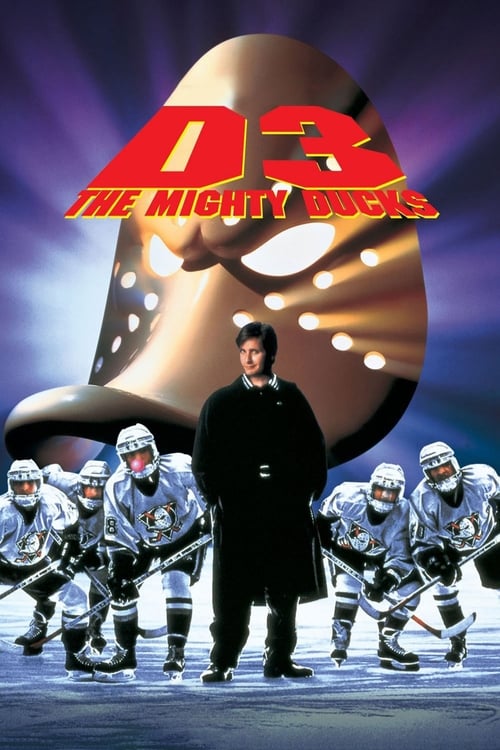
D3: The Mighty Ducks
The Ducks are offered scholarships at Eden Hall Academy but struggle with their new coach's methods and come under pressure from the board to retain their scholarships before their big game against the Varsity team.
The film earned $23.0M at the global box office.


Plot Structure
Story beats plotted across runtime


Narrative Arc
Emotional journey through the story's key moments
Story Circle
Blueprint 15-beat structure
Arcplot Score Breakdown
Weighted: Precision (70%) + Arc (15%) + Theme (15%)
D3: The Mighty Ducks (1996) exhibits strategically placed narrative design, characteristic of Rob Lieberman's storytelling approach. This structural analysis examines how the film's 15-point plot structure maps to proven narrative frameworks across 1 hour and 44 minutes. With an Arcplot score of 7.4, the film balances conventional beats with creative variation.
Characters
Cast & narrative archetypes

Charlie Conway
Gordon Bombay
Adam Banks
Fulton Reed
Dean Portman
Julie Gaffney
Russ Tyler
Luis Mendoza
Coach Ted Orion
Riley
Main Cast & Characters
Charlie Conway
Played by Joshua Jackson
Former team captain struggling with identity as he navigates prep school hockey politics and loyalty to his old team.
Gordon Bombay
Played by Emilio Estevez
Former coach and mentor who returns to guide the Ducks through their scholarship challenges at Eden Hall Academy.
Adam Banks
Played by Vincent Larusso
Star player torn between his Ducks loyalty and fitting in with the elite varsity Warriors team.
Fulton Reed
Played by Elden Henson
Tough enforcer with a powerful shot who struggles with anger management and finding his place.
Dean Portman
Played by Aaron Lohr
Fulton's bash brother and defensive partner, brings aggressive energy and loyalty to the team.
Julie Gaffney
Played by Colombe Jacobsen-Derstine
Talented goalie from Maine who joins the team and proves herself despite gender barriers.
Russ Tyler
Played by Kenan Thompson
Street hockey player with signature knucklepuck shot, brings urban flair and confidence.
Luis Mendoza
Played by Mike Vitar
Speed skater with control issues, provides comic relief and learns discipline.
Coach Ted Orion
Played by Jeffrey Nordling
No-nonsense new coach who replaces Bombay and implements tough-love defensive strategies.
Riley
Played by Christopher Orr
Arrogant captain of the Eden Hall varsity Warriors who antagonizes and challenges the Ducks.
Structural Analysis
The Status Quo at 1 minutes (1% through the runtime) establishes The Ducks celebrate their Junior Goodwill Games victory, united as champions. Charlie Conway is the confident team captain living his hockey dream.. Of particular interest, this early placement immediately immerses viewers in the story world.
The inciting incident occurs at 12 minutes when Coach Orion strips Charlie of the captain's "C" and benches him, then bans the Duck jerseys and their flashy playing style. The team's identity is under attack.. At 12% through the film, this Disruption aligns precisely with traditional story structure. This beat shifts the emotional landscape, launching the protagonist into the central conflict.
The First Threshold at 25 minutes marks the transition into Act II, occurring at 24% of the runtime. This indicates the protagonist's commitment to Charlie and the Ducks defiantly choose to reject Orion's coaching, wearing their old Duck jerseys under their uniforms and playing their old style, prioritizing their past identity over growth., moving from reaction to action.
At 51 minutes, the Midpoint arrives at 50% of the runtime—precisely centered, creating perfect narrative symmetry. The analysis reveals that this crucial beat The school board threatens to revoke the Ducks' scholarships due to poor grades and behavior. The stakes escalate from just hockey to their entire future at Eden Hall., fundamentally raising what's at risk. The emotional intensity shifts, dividing the narrative into clear before-and-after phases.
The Collapse moment at 76 minutes (73% through) represents the emotional nadir. Here, Charlie quits the team in anger after being benched again, abandoning his teammates. The Ducks fragment completely - some quit, others turn on each other. The team "dies."., illustrates the protagonist at their lowest point. This beat's placement in the final quarter sets up the climactic reversal.
The Second Threshold at 82 minutes initiates the final act resolution at 79% of the runtime. Charlie realizes that being a Duck isn't about jerseys or glory - it's about the team. He reunites the Ducks with humility, combining their creative spirit with Orion's discipline., demonstrating the transformation achieved throughout the journey.
Emotional Journey
D3: The Mighty Ducks's emotional architecture traces a deliberate progression across 15 carefully calibrated beats.
Narrative Framework
This structural analysis employs proven narrative structure principles that track dramatic progression. By mapping D3: The Mighty Ducks against these established plot points, we can identify how Rob Lieberman utilizes or subverts traditional narrative conventions. The plot point approach reveals not only adherence to structural principles but also creative choices that distinguish D3: The Mighty Ducks within the comedy genre.
Rob Lieberman's Structural Approach
Among the 3 Rob Lieberman films analyzed on Arcplot, the average structural score is 7.0, reflecting strong command of classical structure. D3: The Mighty Ducks represents one of the director's most structurally precise works. For comparative analysis, explore the complete Rob Lieberman filmography.
Comparative Analysis
Additional comedy films include The Bad Guys, Ella Enchanted and The Evening Star. For more Rob Lieberman analyses, see Fire in the Sky, All I Want For Christmas.
Plot Points by Act
Act I
SetupStatus Quo
The Ducks celebrate their Junior Goodwill Games victory, united as champions. Charlie Conway is the confident team captain living his hockey dream.
Theme
Coach Orion tells Charlie: "Being a duck was a privilege, but now it's time to grow up." The film's theme about leaving the past behind and evolving identity.
Worldbuilding
The Ducks receive scholarships to Eden Hall Academy, an elite prep school. They arrive as outsiders, face hazing from Varsity team, and meet strict new coach Ted Orion who has very different methods than Bombay.
Disruption
Coach Orion strips Charlie of the captain's "C" and benches him, then bans the Duck jerseys and their flashy playing style. The team's identity is under attack.
Resistance
The Ducks struggle between Orion's disciplined two-way hockey and their former glory. Charlie resists change, conflicts with teammates escalate, and they lose games. Bombay returns briefly to counsel Charlie about growth.
Act II
ConfrontationFirst Threshold
Charlie and the Ducks defiantly choose to reject Orion's coaching, wearing their old Duck jerseys under their uniforms and playing their old style, prioritizing their past identity over growth.
Mirror World
Charlie bonds with Linda, a strong-willed student who challenges him to think beyond hockey. She represents the broader world and identity beyond the ice.
Premise
The Ducks navigate prep school life while clashing with Varsity. They pull pranks, struggle academically, and try to prove themselves. The team is divided between old Duck ways and Orion's system.
Midpoint
The school board threatens to revoke the Ducks' scholarships due to poor grades and behavior. The stakes escalate from just hockey to their entire future at Eden Hall.
Opposition
Pressure mounts as the Ducks must improve grades while facing tougher opponents. Internal conflicts worsen - Charlie's ego clashes with teammates. They lose crucial games and face potential expulsion.
Collapse
Charlie quits the team in anger after being benched again, abandoning his teammates. The Ducks fragment completely - some quit, others turn on each other. The team "dies."
Crisis
Charlie isolates himself, processing his selfish behavior. The scattered Ducks reflect on what they've lost. It's their darkest moment before finding clarity.
Act III
ResolutionSecond Threshold
Charlie realizes that being a Duck isn't about jerseys or glory - it's about the team. He reunites the Ducks with humility, combining their creative spirit with Orion's discipline.
Synthesis
The championship game against Varsity. The Ducks play as a unified team using both their old creativity and new defensive discipline. Charlie earns back the "C" through selfless play and leadership.
Transformation
Charlie passes the puck for the winning goal instead of taking the shot himself. The final image shows the Ducks as mature players who've evolved beyond their former identity while honoring it.