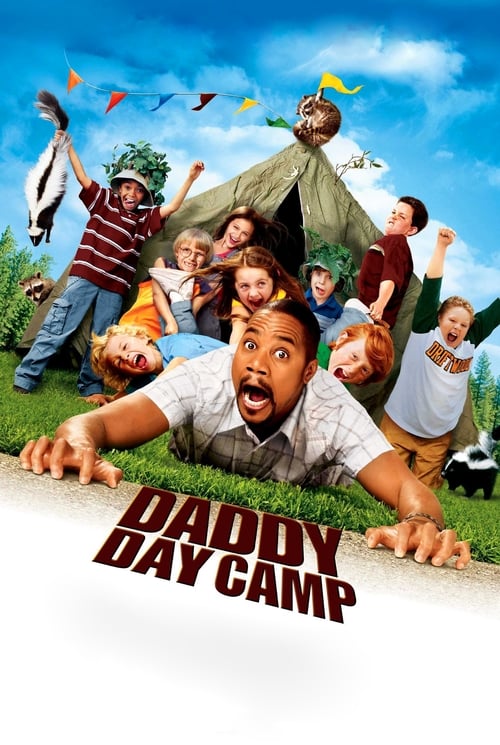
Daddy Day Camp
Seeking to offer his son the satisfying summer camp experience that eluded him as a child, the operator of a neighborhood daycare center opens his own camp, only to face financial hardship and stiff competition from a rival camp.
Despite its small-scale budget of $6.0M, Daddy Day Camp became a financial success, earning $18.2M worldwide—a 203% return. The film's fresh perspective attracted moviegoers, proving that strong storytelling can transcend budget limitations.
1 win & 5 nominations


Plot Structure
Story beats plotted across runtime


Narrative Arc
Emotional journey through the story's key moments
Story Circle
Blueprint 15-beat structure
Arcplot Score Breakdown
Weighted: Precision (70%) + Arc (15%) + Theme (15%)
Daddy Day Camp (2007) exhibits strategically placed narrative design, characteristic of Fred Savage's storytelling approach. This structural analysis examines how the film's 15-point plot structure maps to proven narrative frameworks across 1 hour and 29 minutes. With an Arcplot score of 7.3, the film balances conventional beats with creative variation.
Characters
Cast & narrative archetypes

Charlie Hinton
Phil Ryerson
Colonel Buck Hinton
Lance Warner
Ben Hinton
Max Ryerson
Main Cast & Characters
Charlie Hinton
Played by Cuba Gooding Jr.
A father who takes over a dilapidated summer camp to save it from closing and compete against his childhood rival.
Phil Ryerson
Played by Paul Rae
Charlie's anxious best friend and business partner who reluctantly helps run the camp.
Colonel Buck Hinton
Played by Richard Gant
Charlie's strict, military-minded father who disapproves of his son's laid-back approach to running the camp.
Lance Warner
Played by Lochlyn Munro
Charlie's arrogant childhood rival who runs the elite Camp Canola and will do anything to destroy Driftwood.
Ben Hinton
Played by Spencir Bridges
Charlie's young son who attends the camp and struggles with confidence issues.
Max Ryerson
Played by Dallin Boyce
Phil's son who attends the camp and is best friends with Ben.
Structural Analysis
The Status Quo at 1 minutes (1% through the runtime) establishes Charlie Hinton runs his successful Daddy Day Care business but feels disconnected from his father and uncertain about his own parenting legacy. His son Ben is heading to summer camp.. Significantly, this early placement immediately immerses viewers in the story world.
The inciting incident occurs at 10 minutes when Charlie discovers that Camp Driftwood, his beloved childhood camp, has fallen into disrepair and is on the verge of closing. His childhood memories are threatened.. At 11% through the film, this Disruption aligns precisely with traditional story structure. This beat shifts the emotional landscape, launching the protagonist into the central conflict.
The First Threshold at 22 minutes marks the transition into Act II, occurring at 25% of the runtime. This shows the protagonist's commitment to Charlie makes the active choice to buy and run Camp Driftwood himself, committing to save the camp and prove he can create a meaningful experience for the kids., moving from reaction to action.
At 44 minutes, the Midpoint arrives at 49% of the runtime—precisely centered, creating perfect narrative symmetry. Notably, this crucial beat A major embarrassment or defeat at the hands of Camp Canola (likely during a competition or event) raises the stakes. Charlie realizes that enthusiasm alone isn't enough; they're outmatched and risk losing everything., fundamentally raising what's at risk. The emotional intensity shifts, dividing the narrative into clear before-and-after phases.
The Collapse moment at 65 minutes (73% through) represents the emotional nadir. Here, Camp Driftwood faces imminent closure. The final competition is announced that will determine the camp's fate. Charlie's relationship with his father or his own confidence hits rock bottom - a metaphorical death of his dream., shows the protagonist at their lowest point. This beat's placement in the final quarter sets up the climactic reversal.
The Second Threshold at 71 minutes initiates the final act resolution at 80% of the runtime. Charlie realizes that winning isn't about fancy equipment or competition - it's about heart, teamwork, and the values his father tried to teach him. He synthesizes old camp traditions with new spirit., demonstrating the transformation achieved throughout the journey.
Emotional Journey
Daddy Day Camp's emotional architecture traces a deliberate progression across 15 carefully calibrated beats.
Narrative Framework
This structural analysis employs proven narrative structure principles that track dramatic progression. By mapping Daddy Day Camp against these established plot points, we can identify how Fred Savage utilizes or subverts traditional narrative conventions. The plot point approach reveals not only adherence to structural principles but also creative choices that distinguish Daddy Day Camp within the family genre.
Comparative Analysis
Additional family films include The Black Stallion, The Bad Guys and Ella Enchanted.
Plot Points by Act
Act I
SetupStatus Quo
Charlie Hinton runs his successful Daddy Day Care business but feels disconnected from his father and uncertain about his own parenting legacy. His son Ben is heading to summer camp.
Theme
Charlie's father makes a comment about teaching kids real values and facing challenges, hinting at the theme of proving oneself and passing on meaningful lessons to the next generation.
Worldbuilding
Introduction to Charlie's world: his daycare business, his relationship with partner Phil, his family dynamics, and the setup of Ben going to Camp Driftwood where Charlie has childhood memories.
Disruption
Charlie discovers that Camp Driftwood, his beloved childhood camp, has fallen into disrepair and is on the verge of closing. His childhood memories are threatened.
Resistance
Charlie debates whether to take over the camp. He discusses it with Phil and his wife, weighing the financial risks and emotional challenges. He visits the camp and sees the full extent of the problems.
Act II
ConfrontationFirst Threshold
Charlie makes the active choice to buy and run Camp Driftwood himself, committing to save the camp and prove he can create a meaningful experience for the kids.
Mirror World
Introduction to the rival camp owner Lance Warner and the competing Camp Canola. This rivalry will force Charlie to examine what truly matters in running a camp and teaching children.
Premise
The fun of running summer camp: Charlie and Phil attempt various camp activities with mixed results, bonding with the kids, dealing with mishaps, and competing against the superior Camp Canola.
Midpoint
A major embarrassment or defeat at the hands of Camp Canola (likely during a competition or event) raises the stakes. Charlie realizes that enthusiasm alone isn't enough; they're outmatched and risk losing everything.
Opposition
Lance Warner intensifies his efforts to destroy Camp Driftwood. Parents consider pulling their kids. Charlie's insecurities about living up to his father's legacy surface. Problems compound with equipment failures and morale issues.
Collapse
Camp Driftwood faces imminent closure. The final competition is announced that will determine the camp's fate. Charlie's relationship with his father or his own confidence hits rock bottom - a metaphorical death of his dream.
Crisis
Charlie processes the failure and contemplates giving up. He reflects on what the camp means to him, the kids, and his own childhood. Dark night of uncertainty about his abilities as a leader and father figure.
Act III
ResolutionSecond Threshold
Charlie realizes that winning isn't about fancy equipment or competition - it's about heart, teamwork, and the values his father tried to teach him. He synthesizes old camp traditions with new spirit.
Synthesis
The final competition against Camp Canola. Charlie and the kids execute their plan, working together and using creativity over resources. They demonstrate what true camp spirit means and stand up to Lance Warner.
Transformation
Camp Driftwood is saved and thriving. Charlie stands with the kids and his own son, having proven himself and created meaningful memories. He has become the father figure and mentor he needed to be, breaking the cycle and passing on real values.