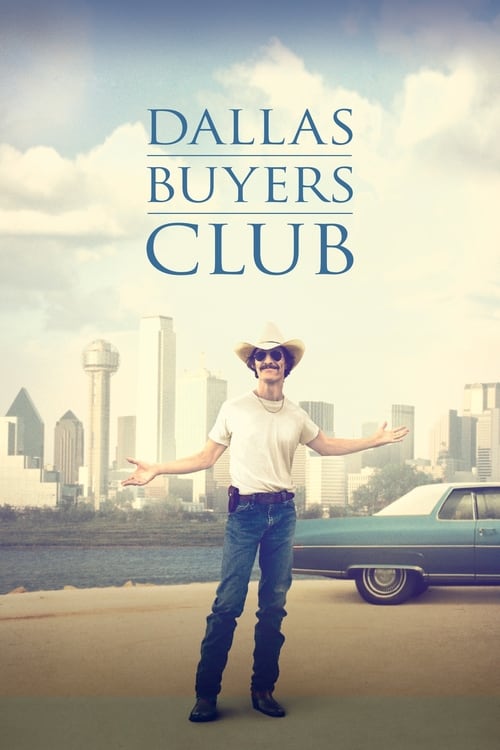
Dallas Buyers Club
Loosely based on the true-life tale of Ron Woodroof, a drug-taking, women-loving, homophobic man who in 1986 was diagnosed with HIV/AIDS and given thirty days to live.
Despite its tight budget of $5.0M, Dallas Buyers Club became a runaway success, earning $55.7M worldwide—a remarkable 1015% return. The film's innovative storytelling engaged audiences, proving that strong storytelling can transcend budget limitations.
3 Oscars. 85 wins & 88 nominations


Plot Structure
Story beats plotted across runtime


Narrative Arc
Emotional journey through the story's key moments
Story Circle
Blueprint 15-beat structure
Arcplot Score Breakdown
Weighted: Precision (70%) + Arc (15%) + Theme (15%)
Dallas Buyers Club (2013) showcases deliberately positioned dramatic framework, characteristic of Jean-Marc Vallée's storytelling approach. This structural analysis examines how the film's 15-point plot structure maps to proven narrative frameworks across 1 hour and 57 minutes. With an Arcplot score of 6.1, the film takes an unconventional approach to traditional narrative frameworks.
Characters
Cast & narrative archetypes

Ron Woodroof
Rayon
Dr. Eve Saks
Tucker
Dr. Sevard
Main Cast & Characters
Ron Woodroof
Played by Matthew McConaughey
Homophobic, hard-living electrician diagnosed with AIDS who smuggles unapproved medications to help himself and others survive.
Rayon
Played by Jared Leto
Transgender woman with AIDS who becomes Ron's business partner and teaches him compassion and humanity.
Dr. Eve Saks
Played by Jennifer Garner
Sympathetic physician who treats Ron and gradually becomes convinced his alternative treatments may have merit.
Tucker
Played by Steve Zahn
Ron's former friend who abandons him after learning of his AIDS diagnosis, representing social rejection.
Dr. Sevard
Played by Denis O'Hare
Hospital physician who strictly adheres to FDA protocols and opposes Ron's alternative treatment methods.
Structural Analysis
The Status Quo at 1 minutes (1% through the runtime) establishes Ron Woodroof is introduced having sex behind rodeo gates while bulls charge nearby, establishing his reckless, hedonistic lifestyle as a hard-drinking, womanizing Texas electrician who lives on the edge with no regard for consequences.. Structural examination shows that this early placement immediately immerses viewers in the story world.
The inciting incident occurs at 14 minutes when Ron collapses at work and is hospitalized. He can no longer deny his condition when Dr. Eve Saks confirms the diagnosis, and his friends and coworkers have completely abandoned him due to AIDS stigma.. At 12% through the film, this Disruption aligns precisely with traditional story structure. This beat shifts the emotional landscape, launching the protagonist into the central conflict.
The First Threshold at 29 minutes marks the transition into Act II, occurring at 25% of the runtime. This illustrates the protagonist's commitment to Ron makes the active choice to smuggle non-FDA-approved medications across the border from Mexico, committing to become a drug trafficker to survive. He returns with a car full of Peptide T and other treatments, crossing from desperate patient into outlaw., moving from reaction to action.
At 59 minutes, the Midpoint arrives at 50% of the runtime—precisely centered, creating perfect narrative symmetry. The analysis reveals that this crucial beat The Dallas Buyers Club is thriving with hundreds of members. Ron has survived well past his 30-day prognosis and is now a respected figure in the AIDS community. This false victory masks the coming crackdown - the FDA and pharmaceutical companies have taken notice., fundamentally raising what's at risk. The emotional intensity shifts, dividing the narrative into clear before-and-after phases.
The Collapse moment at 88 minutes (75% through) represents the emotional nadir. Here, Rayon dies from AIDS complications after her health spirals. Ron holds her hand in the hospital, devastated. He then confronts his former friend Tucker at a grocery store, forcing him to shake hands with a gay man in Rayon's memory - his complete transformation evident in his grief., indicates the protagonist at their lowest point. This beat's placement in the final quarter sets up the climactic reversal.
The Second Threshold at 94 minutes initiates the final act resolution at 80% of the runtime. Ron takes the FDA to federal court, arguing for patients' rights to access experimental treatments. Though he loses the legal battle, the judge expresses sympathy and the FDA is publicly embarrassed. Ron realizes his fight has become about legacy and helping others, not just survival., demonstrating the transformation achieved throughout the journey.
Emotional Journey
Dallas Buyers Club's emotional architecture traces a deliberate progression across 15 carefully calibrated beats.
Narrative Framework
This structural analysis employs structural analysis methodology used to understand storytelling architecture. By mapping Dallas Buyers Club against these established plot points, we can identify how Jean-Marc Vallée utilizes or subverts traditional narrative conventions. The plot point approach reveals not only adherence to structural principles but also creative choices that distinguish Dallas Buyers Club within the drama genre.
Jean-Marc Vallée's Structural Approach
Among the 3 Jean-Marc Vallée films analyzed on Arcplot, the average structural score is 6.6, demonstrating varied approaches to story architecture. Dallas Buyers Club takes a more unconventional approach compared to the director's typical style. For comparative analysis, explore the complete Jean-Marc Vallée filmography.
Comparative Analysis
Additional drama films include After Thomas, South Pacific and Dirty Dancing: Havana Nights. For more Jean-Marc Vallée analyses, see Wild, The Young Victoria.
Plot Points by Act
Act I
SetupStatus Quo
Ron Woodroof is introduced having sex behind rodeo gates while bulls charge nearby, establishing his reckless, hedonistic lifestyle as a hard-drinking, womanizing Texas electrician who lives on the edge with no regard for consequences.
Theme
Dr. Sevard tells Ron he has HIV and approximately 30 days to live, stating "There's nothing out there that can help you." This challenges Ron to prove whether fighting for survival against impossible odds can transform a person.
Worldbuilding
We see Ron's world of 1985 Texas: homophobic rodeo culture, cocaine-fueled parties, casual sex, and macho denial. His friends turn on him when rumors spread about his diagnosis, revealing the stigma and ignorance surrounding AIDS. Ron researches HIV in the library, initially in complete denial.
Disruption
Ron collapses at work and is hospitalized. He can no longer deny his condition when Dr. Eve Saks confirms the diagnosis, and his friends and coworkers have completely abandoned him due to AIDS stigma.
Resistance
Ron desperately tries to get AZT, first legally through the hospital trial, then illegally through a hospital orderly. He bribes his way into the trial but is rejected. He crosses the Mexican border to find Dr. Vass, who introduces him to alternative treatments and the concept that the FDA-approved AZT is toxic.
Act II
ConfrontationFirst Threshold
Ron makes the active choice to smuggle non-FDA-approved medications across the border from Mexico, committing to become a drug trafficker to survive. He returns with a car full of Peptide T and other treatments, crossing from desperate patient into outlaw.
Mirror World
Ron reluctantly partners with Rayon, a transgender woman he initially despises. Rayon becomes his business partner and connection to the gay community he once hated, representing the compassion and acceptance Ron must learn to survive.
Premise
Ron and Rayon establish the Dallas Buyers Club, a membership-based system to legally distribute non-FDA-approved treatments. Ron transforms from homophobic redneck to advocate, traveling the world to source medications, building a community, and developing an unlikely friendship with Rayon while fighting the FDA.
Midpoint
The Dallas Buyers Club is thriving with hundreds of members. Ron has survived well past his 30-day prognosis and is now a respected figure in the AIDS community. This false victory masks the coming crackdown - the FDA and pharmaceutical companies have taken notice.
Opposition
The FDA raids the club and seizes medications. Ron battles the government through legal channels while his health deteriorates. Rayon's condition worsens as she returns to drugs. The pharmaceutical establishment and FDA become active antagonists, confiscating shipments and threatening prosecution.
Collapse
Rayon dies from AIDS complications after her health spirals. Ron holds her hand in the hospital, devastated. He then confronts his former friend Tucker at a grocery store, forcing him to shake hands with a gay man in Rayon's memory - his complete transformation evident in his grief.
Crisis
Ron processes Rayon's death while his legal battle against the FDA reaches its climax. He faces the prospect of having fought so hard only to potentially lose everything. His own health continues to decline as he prepares for the federal court case.
Act III
ResolutionSecond Threshold
Ron takes the FDA to federal court, arguing for patients' rights to access experimental treatments. Though he loses the legal battle, the judge expresses sympathy and the FDA is publicly embarrassed. Ron realizes his fight has become about legacy and helping others, not just survival.
Synthesis
Ron continues running the buyers club despite legal setbacks. He has transformed from a selfish, bigoted man into a compassionate advocate. Text reveals he lived seven years past his 30-day prognosis, helping thousands of AIDS patients access treatment and changing FDA policies.
Transformation
Ron rides a bull at the rodeo again, but now as a changed man. The same reckless energy from the opening is present, but he's fighting for life with purpose and dignity. Title cards reveal he died in 1992, having lived seven years beyond his prognosis, his legacy secured.