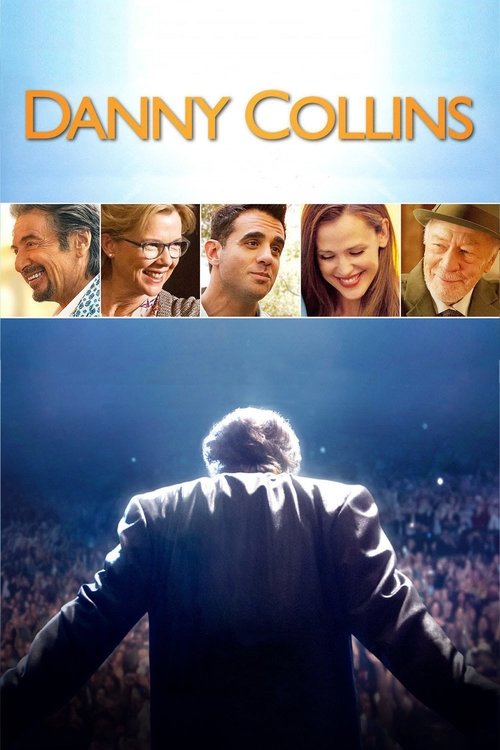
Danny Collins
An ageing hard-living 1970s rock star decides to change his life when he discovers a 40-year-old undelivered letter written to him by John Lennon.
Working with a modest budget of $10.0M, the film achieved a steady performer with $10.8M in global revenue (+8% profit margin).
1 win & 4 nominations


Plot Structure
Story beats plotted across runtime


Narrative Arc
Emotional journey through the story's key moments
Story Circle
Blueprint 15-beat structure
Arcplot Score Breakdown
Weighted: Precision (70%) + Arc (15%) + Theme (15%)
Danny Collins (2015) reveals deliberately positioned narrative design, characteristic of Dan Fogelman's storytelling approach. This structural analysis examines how the film's 15-point plot structure maps to proven narrative frameworks across 1 hour and 47 minutes. With an Arcplot score of 7.0, the film balances conventional beats with creative variation.
Characters
Cast & narrative archetypes

Danny Collins
Mary Sinclair
Tom Donnelly
Samantha Donnelly
Frank Grubman
Sophie Donnelly
Main Cast & Characters
Danny Collins
Played by Al Pacino
Aging rock star who discovers an undelivered letter from John Lennon and attempts to change his superficial life.
Mary Sinclair
Played by Annette Bening
Hotel manager who becomes Danny's love interest and helps ground him during his transformation.
Tom Donnelly
Played by Bobby Cannavale
Danny's estranged son who is skeptical of his father's sudden desire to reconnect.
Samantha Donnelly
Played by Jennifer Garner
Tom's pregnant wife who is more open to giving Danny a chance than her husband.
Frank Grubman
Played by Christopher Plummer
Danny's longtime manager and best friend who supports him through his life crisis.
Sophie Donnelly
Played by Giselle Eisenberg
Tom and Samantha's young daughter with ADHD who bonds with her grandfather Danny.
Structural Analysis
The Status Quo at 1 minutes (1% through the runtime) establishes Danny Collins performs to adoring crowds, living the high life as an aging rock star - drugs, young girlfriend, mansion, sold-out shows - but emotionally hollow and creatively bankrupt, recycling his greatest hits.. Of particular interest, this early placement immediately immerses viewers in the story world.
The inciting incident occurs at 12 minutes when Frank presents Danny with a 40-year-old undelivered letter from John Lennon, responding to Danny's younger self with encouragement to stay true to his art. Danny realizes he betrayed his artistic ideals and wasted his life.. At 11% through the film, this Disruption aligns precisely with traditional story structure. This beat shifts the emotional landscape, launching the protagonist into the central conflict.
The First Threshold at 26 minutes marks the transition into Act II, occurring at 24% of the runtime. This demonstrates the protagonist's commitment to Danny makes the active choice to cancel his tour, break up with Sophie, and travel to New Jersey to meet Tom, the son he abandoned, choosing authentic connection over the comfortable life of fame and avoidance., moving from reaction to action.
At 54 minutes, the Midpoint arrives at 50% of the runtime—precisely centered, creating perfect narrative symmetry. Notably, this crucial beat False victory: Danny makes breakthrough with Tom's family, wins over his granddaughter Hope, and his relationship with Mary deepens. He believes he's successfully transforming his life, but his celebrity habits and lies haven't been fully confronted., fundamentally raising what's at risk. The emotional intensity shifts, dividing the narrative into clear before-and-after phases.
The Collapse moment at 81 minutes (76% through) represents the emotional nadir. Here, Tom angrily rejects Danny, telling him to leave their lives. Danny's hope of redemption and family connection dies. He relapses into cocaine use, believing he's incapable of real change and destined to remain the shallow person he became., reveals the protagonist at their lowest point. This beat's placement in the final quarter sets up the climactic reversal.
The Second Threshold at 86 minutes initiates the final act resolution at 81% of the runtime. Danny synthesizes his learning: he realizes that authentic change isn't about being accepted or achieving a specific outcome, but about consistently showing up honestly. He understands that doing the right thing matters even without guaranteed success., demonstrating the transformation achieved throughout the journey.
Emotional Journey
Danny Collins's emotional architecture traces a deliberate progression across 15 carefully calibrated beats.
Narrative Framework
This structural analysis employs systematic plot point analysis that identifies crucial turning points. By mapping Danny Collins against these established plot points, we can identify how Dan Fogelman utilizes or subverts traditional narrative conventions. The plot point approach reveals not only adherence to structural principles but also creative choices that distinguish Danny Collins within the music genre.
Dan Fogelman's Structural Approach
Among the 2 Dan Fogelman films analyzed on Arcplot, the average structural score is 6.8, demonstrating varied approaches to story architecture. Danny Collins represents one of the director's most structurally precise works. For comparative analysis, explore the complete Dan Fogelman filmography.
Comparative Analysis
Additional music films include South Pacific, Dirty Dancing: Havana Nights and Yesterday. For more Dan Fogelman analyses, see Life Itself.
Plot Points by Act
Act I
SetupStatus Quo
Danny Collins performs to adoring crowds, living the high life as an aging rock star - drugs, young girlfriend, mansion, sold-out shows - but emotionally hollow and creatively bankrupt, recycling his greatest hits.
Theme
Danny's manager Frank tells him "It's never too late to do the right thing" at his birthday party, foreshadowing Danny's journey toward authenticity and redemption.
Worldbuilding
Establishment of Danny's world: his shallow relationship with young girlfriend Sophie, his dependence on drugs and alcohol, his creative sterility, his estrangement from family, and his cynical acceptance of being a sellout who performs nostalgia rather than art.
Disruption
Frank presents Danny with a 40-year-old undelivered letter from John Lennon, responding to Danny's younger self with encouragement to stay true to his art. Danny realizes he betrayed his artistic ideals and wasted his life.
Resistance
Danny spirals into self-reflection and resistance. He debates whether change is possible at his age. Frank serves as mentor, encouraging him. Danny wrestles with the gap between who he became and who he could have been.
Act II
ConfrontationFirst Threshold
Danny makes the active choice to cancel his tour, break up with Sophie, and travel to New Jersey to meet Tom, the son he abandoned, choosing authentic connection over the comfortable life of fame and avoidance.
Mirror World
Danny meets Mary Sinclair, the hotel manager, who is unimpressed by his celebrity and treats him as a regular person, representing the authentic human connection and honesty Danny has been missing.
Premise
Danny explores his new world: awkwardly pursuing relationship with Tom and family, courting Mary, attempting to write new music for the first time in decades, and learning to be present and genuine rather than performing a persona.
Midpoint
False victory: Danny makes breakthrough with Tom's family, wins over his granddaughter Hope, and his relationship with Mary deepens. He believes he's successfully transforming his life, but his celebrity habits and lies haven't been fully confronted.
Opposition
Danny's past catches up: Tom discovers Danny's lies about seeking reconciliation earlier, his drug use resurfaces under stress, Mary pulls away when she realizes he hasn't been fully honest, and Hope's ADHD diagnosis strains the fragile family connection.
Collapse
Tom angrily rejects Danny, telling him to leave their lives. Danny's hope of redemption and family connection dies. He relapses into cocaine use, believing he's incapable of real change and destined to remain the shallow person he became.
Crisis
Danny's dark night: he uses drugs, contemplates returning to his old life, and processes the pain of rejection. He must decide whether to give up on transformation or find the courage to persist despite failure.
Act III
ResolutionSecond Threshold
Danny synthesizes his learning: he realizes that authentic change isn't about being accepted or achieving a specific outcome, but about consistently showing up honestly. He understands that doing the right thing matters even without guaranteed success.
Synthesis
Danny takes action from his transformed self: he continues to support Hope's medical needs anonymously, performs his new honest music at a small venue rather than stadiums, and makes peace with being present without controlling outcomes. Tom gradually softens and reconnects.
Transformation
Danny performs his new song in an intimate venue to a small, engaged audience. He has transformed from a celebrity going through motions to an artist creating authentically, from an absent father to a present grandfather, choosing meaning over fame.