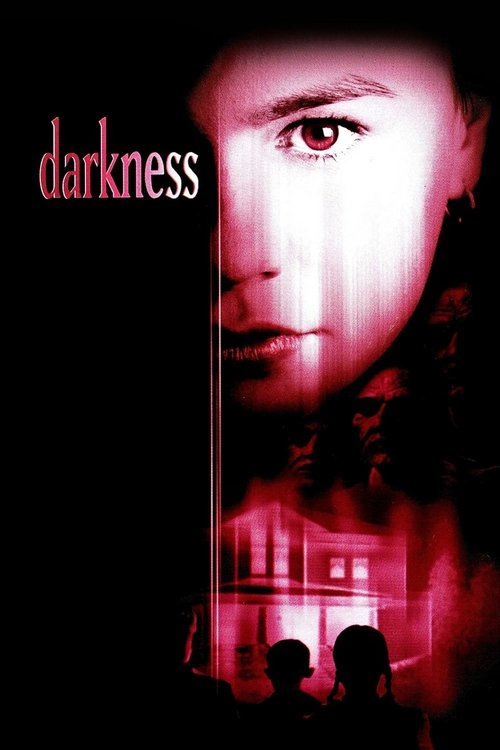
Darkness
A teenage girl moves into a remote country home with her family, only to discover that the gloomy old house has a horrifying past that threatens to destroy them.
Despite its tight budget of $10.6M, Darkness became a solid performer, earning $34.0M worldwide—a 221% return. The film's bold vision engaged audiences, showing that strong storytelling can transcend budget limitations.
2 wins & 3 nominations


Plot Structure
Story beats plotted across runtime


Narrative Arc
Emotional journey through the story's key moments
Story Circle
Blueprint 15-beat structure
Arcplot Score Breakdown
Weighted: Precision (70%) + Arc (15%) + Theme (15%)
Darkness (2002) exhibits deliberately positioned dramatic framework, characteristic of Jaume Balagueró's storytelling approach. This structural analysis examines how the film's 15-point plot structure maps to proven narrative frameworks across 1 hour and 28 minutes. With an Arcplot score of 7.3, the film balances conventional beats with creative variation.
Characters
Cast & narrative archetypes

Regina
Mark
Maria
Paul
Albert
Main Cast & Characters
Regina
Played by Anna Paquin
A teenage girl who discovers dark secrets about her family's new home and tries to protect her younger brother
Mark
Played by Iain Glen
Regina's father who struggles with a mysterious illness while the family uncovers supernatural forces
Maria
Played by Lena Olin
Regina's mother who tries to hold the family together as strange events unfold
Paul
Played by Stephan Enquist
Regina's young brother who becomes affected by the dark forces in the house
Albert
Played by Giancarlo Giannini
Mark's estranged father who holds secrets about the house and the darkness within
Structural Analysis
The Status Quo at 1 minutes (1% through the runtime) establishes The Reynolds family arrives at their new Spanish countryside home, presenting a seemingly normal American family relocating abroad with hope for a fresh start and treatment for father Mark's mysterious condition.. Structural examination shows that this early placement immediately immerses viewers in the story world.
The inciting incident occurs at 11 minutes when Paul reveals he has been communicating with mysterious children who only appear in the darkness. Strange phenomena escalate as Regina witnesses supernatural occurrences and Mark's violent episodes worsen.. At 13% through the film, this Disruption is delayed, allowing extended setup of the story world. This beat shifts the emotional landscape, launching the protagonist into the central conflict.
The First Threshold at 22 minutes marks the transition into Act II, occurring at 25% of the runtime. This demonstrates the protagonist's commitment to Regina actively chooses to investigate the house's dark past after discovering the bricked-up room and ancient symbols. She commits to uncovering the truth about the supernatural forces rather than fleeing or ignoring them., moving from reaction to action.
At 44 minutes, the Midpoint arrives at 50% of the runtime—precisely centered, creating perfect narrative symmetry. Structural examination shows that this crucial beat Regina discovers the horrifying truth: her family was deliberately brought to this house because the children need seven victims for the eclipse ritual, and Mark has been possessed to ensure the family stays until the upcoming eclipse., fundamentally raising what's at risk. The emotional intensity shifts, dividing the narrative into clear before-and-after phases.
The Collapse moment at 66 minutes (75% through) represents the emotional nadir. Here, The eclipse begins and the ritual reaches its apex. Paul is taken by the dark children, Mark fully succumbs to possession attacking the family, and Regina realizes they have been trapped with no escape as darkness consumes the house., indicates the protagonist at their lowest point. This beat's placement in the final quarter sets up the climactic reversal.
The Second Threshold at 70 minutes initiates the final act resolution at 80% of the runtime. Regina realizes the truth about the ritual and her grandfather's sacrifice forty years ago to stop it. She understands she must confront the darkness directly and use the cult's own symbols against them to break the cycle., demonstrating the transformation achieved throughout the journey.
Emotional Journey
Darkness's emotional architecture traces a deliberate progression across 15 carefully calibrated beats.
Narrative Framework
This structural analysis employs structural analysis methodology used to understand storytelling architecture. By mapping Darkness against these established plot points, we can identify how Jaume Balagueró utilizes or subverts traditional narrative conventions. The plot point approach reveals not only adherence to structural principles but also creative choices that distinguish Darkness within the horror genre.
Jaume Balagueró's Structural Approach
Among the 6 Jaume Balagueró films analyzed on Arcplot, the average structural score is 7.0, reflecting strong command of classical structure. Darkness represents one of the director's most structurally precise works. For comparative analysis, explore the complete Jaume Balagueró filmography.
Comparative Analysis
Additional horror films include Thinner, A Nightmare on Elm Street and Mary Reilly. For more Jaume Balagueró analyses, see Sleep Tight, The Vault and [[REC]⁴ Apocalypse](/movies/rec-apocalypse-2014).
Plot Points by Act
Act I
SetupStatus Quo
The Reynolds family arrives at their new Spanish countryside home, presenting a seemingly normal American family relocating abroad with hope for a fresh start and treatment for father Mark's mysterious condition.
Theme
Grandfather Albert warns about the darkness and things being "wrong with this place," establishing the theme of confronting hidden evil and family secrets that lurk beneath the surface of normalcy.
Worldbuilding
Introduction to the isolated Spanish mansion, the family dynamics between teenager Regina, young brother Paul, unstable father Mark, and mother Maria. Paul's fear of the dark and his disturbing drawings hint at supernatural presence.
Disruption
Paul reveals he has been communicating with mysterious children who only appear in the darkness. Strange phenomena escalate as Regina witnesses supernatural occurrences and Mark's violent episodes worsen.
Resistance
Regina resists believing the supernatural explanations, trying to rationalize events. She investigates the house's history, discovers hidden chambers, and learns about seven children who disappeared during a 1940s eclipse ritual.
Act II
ConfrontationFirst Threshold
Regina actively chooses to investigate the house's dark past after discovering the bricked-up room and ancient symbols. She commits to uncovering the truth about the supernatural forces rather than fleeing or ignoring them.
Mirror World
Regina connects with Carlos, a local who provides information about the house's history. This relationship represents the outside world's perspective and offers potential help, mirroring the family's isolation with connection.
Premise
Regina explores the supernatural mystery, uncovering the eclipse ritual conducted by a cult decades ago. She experiences escalating paranormal encounters, discovers her grandfather's connection to the house, and realizes the dark entities seek to complete their ritual.
Midpoint
Regina discovers the horrifying truth: her family was deliberately brought to this house because the children need seven victims for the eclipse ritual, and Mark has been possessed to ensure the family stays until the upcoming eclipse.
Opposition
The supernatural forces intensify their attacks on the family. Mark becomes increasingly violent and possessed, Paul falls deeper under the dark children's influence, and Regina's attempts to convince her mother and escape are thwarted at every turn.
Collapse
The eclipse begins and the ritual reaches its apex. Paul is taken by the dark children, Mark fully succumbs to possession attacking the family, and Regina realizes they have been trapped with no escape as darkness consumes the house.
Crisis
Regina faces her deepest fear in the overwhelming darkness, processing the loss of her brother and the disintegration of her family. She must find the will to fight when all hope seems extinguished.
Act III
ResolutionSecond Threshold
Regina realizes the truth about the ritual and her grandfather's sacrifice forty years ago to stop it. She understands she must confront the darkness directly and use the cult's own symbols against them to break the cycle.
Synthesis
Regina battles through the supernatural forces to reach Paul and disrupt the ritual. She confronts the possessed Mark and the dark entities, attempting to reverse the eclipse ceremony before it completes and the children claim their victims.
Transformation
Regina emerges from the darkness transformed by trauma, having witnessed the completion of the ritual despite her efforts. The ambiguous ending suggests the cycle continues, showing her irrevocably changed by confronting supernatural evil beyond her control.