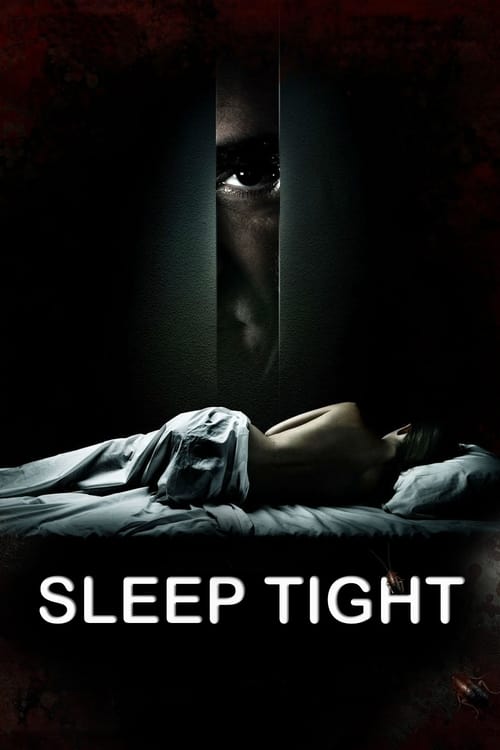
Sleep Tight
César, an unhappy concierge, maintains a peculiar relationship with the very diverse inhabitants of the upper-class apartment building where he works in Barcelona.
Working with a small-scale budget of $5.0M, the film achieved a steady performer with $8.8M in global revenue (+76% profit margin).
9 wins & 22 nominations


Plot Structure
Story beats plotted across runtime


Narrative Arc
Emotional journey through the story's key moments
Story Circle
Blueprint 15-beat structure
Arcplot Score Breakdown
Weighted: Precision (70%) + Arc (15%) + Theme (15%)
Sleep Tight (2011) reveals strategically placed narrative design, characteristic of Jaume Balagueró's storytelling approach. This structural analysis examines how the film's 15-point plot structure maps to proven narrative frameworks across 1 hour and 41 minutes. With an Arcplot score of 7.1, the film balances conventional beats with creative variation.
Characters
Cast & narrative archetypes

César
Clara
Verónica
Marcos
Ursula
Main Cast & Characters
César
Played by Luis Tosar
A deeply disturbed apartment concierge who secretly torments a resident he is obsessed with, unable to feel happiness himself.
Clara
Played by Marta Etura
A cheerful, optimistic young woman who is unknowingly the target of César's psychological torment and obsession.
Verónica
Played by Iris Almeida
A depressed tenant in the building who becomes an unwitting accomplice in César's dark schemes.
Marcos
Played by Carlos Lasarte
Clara's boyfriend who suspects something is wrong but cannot identify the source of the danger.
Ursula
Played by Petra Martínez
César's elderly, disabled mother who lives with him and represents his burden and resentment.
Structural Analysis
The Status Quo at 1 minutes (1% through the runtime) establishes César lies awake in bed beside a sleeping woman, his voiceover revealing he was born without the capacity for happiness. This chilling opening establishes him as our disturbed protagonist, incapable of joy and driven by darker compulsions.. The analysis reveals that this early placement immediately immerses viewers in the story world.
The inciting incident occurs at 12 minutes when Clara's boyfriend Marcos arrives at the building, staying over frequently. This threatens César's nocturnal access to Clara and disrupts the routine that gives his empty life meaning.. At 12% through the film, this Disruption aligns precisely with traditional story structure. This beat shifts the emotional landscape, launching the protagonist into the central conflict.
The First Threshold at 26 minutes marks the transition into Act II, occurring at 26% of the runtime. This indicates the protagonist's commitment to César makes the decision to eliminate Marcos as an obstacle, committing to escalation beyond psychological torment. He begins planning how to remove this threat to his obsession, crossing from harassment into premeditation of violence., moving from reaction to action.
At 51 minutes, the Midpoint arrives at 50% of the runtime—precisely centered, creating perfect narrative symmetry. Notably, this crucial beat César successfully drives a wedge between Clara and Marcos, who break up after an argument César engineered. This is a false victory for our villain protagonist—he's regained access to Clara, but his actions are becoming more visible and risky., fundamentally raising what's at risk. The emotional intensity shifts, dividing the narrative into clear before-and-after phases.
The Collapse moment at 75 minutes (74% through) represents the emotional nadir. Here, Marcos catches César in Clara's apartment. In the violent confrontation, César kills Marcos—a death that cannot be hidden or explained away. The concierge's carefully constructed facade has shattered, and he faces exposure and ruin., reveals the protagonist at their lowest point. This beat's placement in the final quarter sets up the climactic reversal.
The Second Threshold at 81 minutes initiates the final act resolution at 81% of the runtime. Úrsula directly blackmails César, demanding payment for her silence. Rather than seeing this as defeat, César recognizes an opportunity—he can manage this threat and continue his obsession. He commits fully to his monstrous path with no possibility of redemption., demonstrating the transformation achieved throughout the journey.
Emotional Journey
Sleep Tight's emotional architecture traces a deliberate progression across 15 carefully calibrated beats.
Narrative Framework
This structural analysis employs proven narrative structure principles that track dramatic progression. By mapping Sleep Tight against these established plot points, we can identify how Jaume Balagueró utilizes or subverts traditional narrative conventions. The plot point approach reveals not only adherence to structural principles but also creative choices that distinguish Sleep Tight within the thriller genre.
Jaume Balagueró's Structural Approach
Among the 6 Jaume Balagueró films analyzed on Arcplot, the average structural score is 7.0, reflecting strong command of classical structure. Sleep Tight represents one of the director's most structurally precise works. For comparative analysis, explore the complete Jaume Balagueró filmography.
Comparative Analysis
Additional thriller films include The Warriors, Thunderball and Rustom. For more Jaume Balagueró analyses, see Darkness, The Vault and [[REC]⁴ Apocalypse](/movies/rec-apocalypse-2014).
Plot Points by Act
Act I
SetupStatus Quo
César lies awake in bed beside a sleeping woman, his voiceover revealing he was born without the capacity for happiness. This chilling opening establishes him as our disturbed protagonist, incapable of joy and driven by darker compulsions.
Theme
César's mother asks him if he's happy, and he responds with hollow reassurance. The thematic question is posed: can someone who cannot experience happiness find meaning, or will they destroy others in the attempt?
Worldbuilding
We observe César's dual existence: by day, he's the model concierge of a Barcelona apartment building, helpful and invisible. By night, he drugs Clara, hides under her bed, and systematically sabotages her life. We meet the building's residents including the perceptive young Úrsula.
Disruption
Clara's boyfriend Marcos arrives at the building, staying over frequently. This threatens César's nocturnal access to Clara and disrupts the routine that gives his empty life meaning.
Resistance
César adapts his methods, becoming more creative in tormenting Clara during daytime opportunities. He places cockroaches in her apartment and applies allergens to her cosmetics. Young Úrsula begins noticing César's unusual behavior and watching him with suspicion.
Act II
ConfrontationFirst Threshold
César makes the decision to eliminate Marcos as an obstacle, committing to escalation beyond psychological torment. He begins planning how to remove this threat to his obsession, crossing from harassment into premeditation of violence.
Mirror World
Úrsula confronts César, revealing she knows he's been sneaking around. Rather than exposing him, she's curious and even complicit. This dark mirror relationship shows how César might corrupt innocence, and Úrsula becomes his unwitting foil.
Premise
The film delivers on its disturbing premise: we watch César's meticulous cruelty in action. He continues drugging Clara, photographing her unconscious body, and sabotaging her relationship. Clara's skin rashes worsen, her mood darkens, and Marcos grows frustrated with her inexplicable changes.
Midpoint
César successfully drives a wedge between Clara and Marcos, who break up after an argument César engineered. This is a false victory for our villain protagonist—he's regained access to Clara, but his actions are becoming more visible and risky.
Opposition
Complications mount. Úrsula's observations become more dangerous. Marcos returns, suspicious. Clara notices inconsistencies in her apartment. César must work harder to maintain his secret life while the walls close in. A police investigation into building complaints adds pressure.
Collapse
Marcos catches César in Clara's apartment. In the violent confrontation, César kills Marcos—a death that cannot be hidden or explained away. The concierge's carefully constructed facade has shattered, and he faces exposure and ruin.
Crisis
César must dispose of Marcos's body and cover his tracks. He works frantically through the night, cleaning evidence, hiding the corpse. The pressure is unbearable—any mistake means prison. Úrsula becomes a liability who knows too much.
Act III
ResolutionSecond Threshold
Úrsula directly blackmails César, demanding payment for her silence. Rather than seeing this as defeat, César recognizes an opportunity—he can manage this threat and continue his obsession. He commits fully to his monstrous path with no possibility of redemption.
Synthesis
César executes his final plan. He pays off Úrsula, successfully hides all evidence of Marcos's murder, and the investigation stalls. Police find nothing. César has gotten away with everything, returning to his routine of nightly visits to Clara's bedside.
Transformation
The final image: César lies hidden under Clara's bed as she receives a phone call informing her she's pregnant—with César's child from his assaults. As she sobs in despair, we see César's face in the darkness, finally smiling. His transformation is complete: pure evil, triumphant.