
Diamonds Are Forever
Diamonds are stolen only to be sold again in the international market. James Bond infiltrates a smuggling mission to find out who's guilty. The mission takes him to Las Vegas where Bond meets his archenemy Blofeld.
Despite its tight budget of $7.2M, Diamonds Are Forever became a runaway success, earning $116.0M worldwide—a remarkable 1511% return. The film's unconventional structure engaged audiences, proving that strong storytelling can transcend budget limitations.
Nominated for 1 Oscar. 2 wins & 4 nominations


Plot Structure
Story beats plotted across runtime


Narrative Arc
Emotional journey through the story's key moments
Story Circle
Blueprint 15-beat structure
Arcplot Score Breakdown
Weighted: Precision (70%) + Arc (15%) + Theme (15%)
Diamonds Are Forever (1971) exhibits precise plot construction, characteristic of Guy Hamilton's storytelling approach. This structural analysis examines how the film's 15-point plot structure maps to proven narrative frameworks across 2 hours. With an Arcplot score of 6.5, the film balances conventional beats with creative variation.
Characters
Cast & narrative archetypes
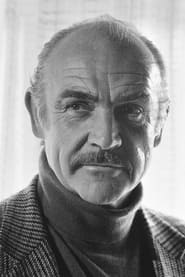
James Bond

Tiffany Case
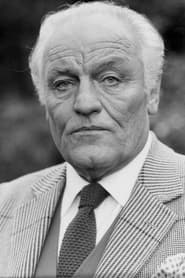
Ernst Stavro Blofeld

Mr. Wint

Mr. Kidd

Plenty O'Toole

Willard Whyte

Felix Leiter
Main Cast & Characters
James Bond
Played by Sean Connery
British secret agent investigating a diamond smuggling ring that leads to a billionaire's plot for global domination.
Tiffany Case
Played by Jill St. John
A wisecracking diamond smuggler who becomes Bond's ally after initially working against him.
Ernst Stavro Blofeld
Played by Charles Gray
Bond's arch-nemesis who fakes his death and poses as reclusive billionaire Willard Whyte to build a satellite weapon.
Mr. Wint
Played by Bruce Glover
Soft-spoken, sadistic assassin who works with Mr. Kidd to eliminate smuggling witnesses.
Mr. Kidd
Played by Putter Smith
Flamboyant assassin partner of Mr. Wint, known for his cologne and twisted sense of humor.
Plenty O'Toole
Played by Lana Wood
Opportunistic showgirl who briefly becomes involved with Bond before being killed by Wint and Kidd.
Willard Whyte
Played by Jimmy Dean
Reclusive Las Vegas billionaire held captive by Blofeld, who impersonates him to control his empire.
Felix Leiter
Played by Norman Burton
CIA agent and Bond's American counterpart who assists in the Las Vegas investigation.
Structural Analysis
The Status Quo at 1 minutes (1% through the runtime) establishes Bond violently hunts Blofeld across the globe, seeking revenge for Tracy's murder, establishing him as a man consumed by vengeance rather than his usual cool professionalism.. Notably, this early placement immediately immerses viewers in the story world.
The inciting incident occurs at 14 minutes when Bond is assigned to impersonate Peter Franks, a diamond courier, to infiltrate the smuggling ring and trace the diamonds to their ultimate destination—forcing him to abandon his personal vendetta for official duty.. At 12% through the film, this Disruption aligns precisely with traditional story structure. This beat shifts the emotional landscape, launching the protagonist into the central conflict.
The First Threshold at 30 minutes marks the transition into Act II, occurring at 25% of the runtime. This reveals the protagonist's commitment to Bond kills the real Peter Franks in an elevator fight and plants his own ID on the body, fully committing to his cover. With Tiffany believing Bond is Franks and that "James Bond" is dead, he enters the smuggling pipeline., moving from reaction to action.
At 60 minutes, the Midpoint arrives at 50% of the runtime—precisely centered, creating perfect narrative symmetry. Structural examination shows that this crucial beat Bond discovers that Willard Whyte has been imprisoned and replaced by Blofeld, who is using Whyte's resources to build a laser satellite. The diamond smuggling was never about profit—it's about world domination., fundamentally raising what's at risk. The emotional intensity shifts, dividing the narrative into clear before-and-after phases.
The Collapse moment at 90 minutes (75% through) represents the emotional nadir. Here, Blofeld captures Tiffany and holds the world hostage with his diamond-powered satellite weapon. Bond's cover is blown, his ally is in enemy hands, and nuclear powers prepare to pay Blofeld's ransom rather than risk annihilation., indicates the protagonist at their lowest point. This beat's placement in the final quarter sets up the climactic reversal.
The Second Threshold at 96 minutes initiates the final act resolution at 80% of the runtime. Bond convinces Willard Whyte to mobilize his resources and the US military for an assault on Blofeld's oil rig. With the satellite's control signal location identified, Bond has a plan to end Blofeld's threat permanently., demonstrating the transformation achieved throughout the journey.
Emotional Journey
Diamonds Are Forever's emotional architecture traces a deliberate progression across 15 carefully calibrated beats.
Narrative Framework
This structural analysis employs systematic plot point analysis that identifies crucial turning points. By mapping Diamonds Are Forever against these established plot points, we can identify how Guy Hamilton utilizes or subverts traditional narrative conventions. The plot point approach reveals not only adherence to structural principles but also creative choices that distinguish Diamonds Are Forever within the action genre.
Guy Hamilton's Structural Approach
Among the 7 Guy Hamilton films analyzed on Arcplot, the average structural score is 6.9, demonstrating varied approaches to story architecture. Diamonds Are Forever takes a more unconventional approach compared to the director's typical style. For comparative analysis, explore the complete Guy Hamilton filmography.
Comparative Analysis
Additional action films include The Bad Guys, Puss in Boots and Venom: The Last Dance. For more Guy Hamilton analyses, see Live and Let Die, The Mirror Crack'd and Force 10 from Navarone.
Plot Points by Act
Act I
SetupStatus Quo
Bond violently hunts Blofeld across the globe, seeking revenge for Tracy's murder, establishing him as a man consumed by vengeance rather than his usual cool professionalism.
Theme
M briefs Bond on the diamond smuggling pipeline, noting that greed makes people predictable and exploitable—foreshadowing how wealth and avarice will drive both villains and allies throughout the mission.
Worldbuilding
The diamond smuggling pipeline is established from South African mines through multiple couriers. Bond's briefing reveals the scope of the operation, and we meet key figures in the smuggling chain who are being systematically murdered.
Disruption
Bond is assigned to impersonate Peter Franks, a diamond courier, to infiltrate the smuggling ring and trace the diamonds to their ultimate destination—forcing him to abandon his personal vendetta for official duty.
Resistance
Bond prepares his cover identity, intercepts and replaces the real Peter Franks in Amsterdam, and makes contact with Tiffany Case, learning the smuggling operation's methods while navigating her suspicions about his identity.
Act II
ConfrontationFirst Threshold
Bond kills the real Peter Franks in an elevator fight and plants his own ID on the body, fully committing to his cover. With Tiffany believing Bond is Franks and that "James Bond" is dead, he enters the smuggling pipeline.
Mirror World
Bond's relationship with Tiffany Case deepens as she becomes his partner rather than just a contact. Her mercenary nature mirrors the greed theme, but her growing attraction to Bond suggests redemption through human connection.
Premise
Bond follows the diamonds to Las Vegas, navigating the glittering world of casinos and encountering the eccentric Willard Whyte empire. He tangles with Mr. Wint and Mr. Kidd, survives a crematorium trap, and uncovers connections to a reclusive billionaire.
Midpoint
Bond discovers that Willard Whyte has been imprisoned and replaced by Blofeld, who is using Whyte's resources to build a laser satellite. The diamond smuggling was never about profit—it's about world domination.
Opposition
Blofeld's forces pursue Bond relentlessly through Las Vegas. Bond escapes in a moon buggy, survives a car chase, and attempts to locate the real Whyte while Blofeld's satellite becomes operational, demonstrating its destructive power.
Collapse
Blofeld captures Tiffany and holds the world hostage with his diamond-powered satellite weapon. Bond's cover is blown, his ally is in enemy hands, and nuclear powers prepare to pay Blofeld's ransom rather than risk annihilation.
Crisis
Bond must locate Blofeld's oil rig headquarters while the world counts down to catastrophe. Tiffany remains captive, and the situation seems hopeless as Blofeld demonstrates his weapon's devastating capabilities.
Act III
ResolutionSecond Threshold
Bond convinces Willard Whyte to mobilize his resources and the US military for an assault on Blofeld's oil rig. With the satellite's control signal location identified, Bond has a plan to end Blofeld's threat permanently.
Synthesis
Helicopters assault the oil rig in a spectacular battle. Bond infiltrates the control room, Tiffany accidentally helps then hinders, and Bond destroys the satellite control by using Blofeld's own submarine crane against him, ending the threat.
Transformation
Bond and Tiffany relax on a cruise ship, but Mr. Wint and Mr. Kidd make a final assassination attempt. Bond dispatches them with characteristic wit, then gazes at the stars with Tiffany—vengeance achieved, duty fulfilled, companionship earned.