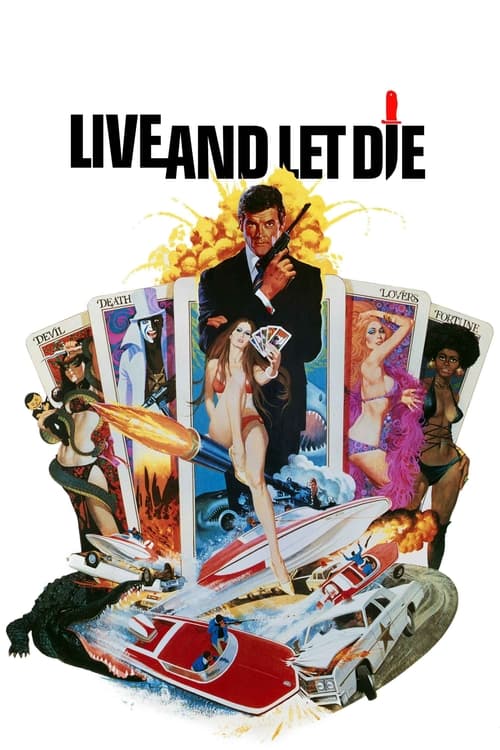
Live and Let Die
James Bond must investigate a mysterious murder case of a British agent in New Orleans. Soon he finds himself up against a gangster boss named Mr. Big.
Despite its limited budget of $7.0M, Live and Let Die became a runaway success, earning $126.4M worldwide—a remarkable 1706% return. The film's distinctive approach engaged audiences, confirming that strong storytelling can transcend budget limitations.
Nominated for 1 Oscar. 3 wins & 3 nominations


Plot Structure
Story beats plotted across runtime


Narrative Arc
Emotional journey through the story's key moments
Story Circle
Blueprint 15-beat structure
Arcplot Score Breakdown
Weighted: Precision (70%) + Arc (15%) + Theme (15%)
Live and Let Die (1973) demonstrates meticulously timed plot construction, characteristic of Guy Hamilton's storytelling approach. This structural analysis examines how the film's 15-point plot structure maps to proven narrative frameworks across 2 hours and 1 minutes. With an Arcplot score of 6.7, the film balances conventional beats with creative variation.
Characters
Cast & narrative archetypes
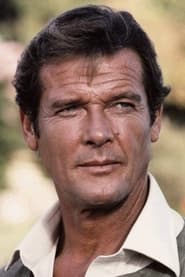
James Bond

Dr. Kananga / Mr. Big

Solitaire
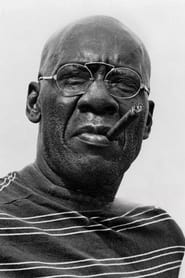
Tee Hee
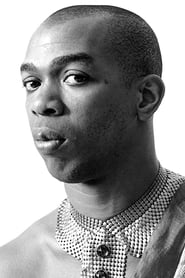
Baron Samedi
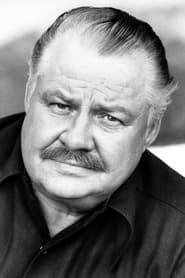
Sheriff J.W. Pepper
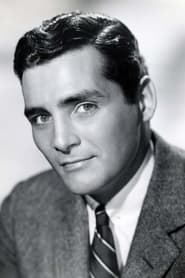
Felix Leiter
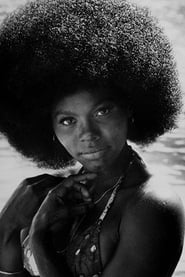
Rosie Carver
Main Cast & Characters
James Bond
Played by Roger Moore
British MI6 agent investigating deaths of three agents, leading him to a Caribbean drug lord with ties to voodoo.
Dr. Kananga / Mr. Big
Played by Yaphet Kotto
Prime Minister of San Monique and secret crime lord planning to distribute free heroin to monopolize the drug trade.
Solitaire
Played by Jane Seymour
Tarot card reader with psychic abilities who serves Kananga but falls for Bond, losing her powers.
Tee Hee
Played by Julius Harris
Kananga's chief henchman with a mechanical arm that doubles as a deadly weapon.
Baron Samedi
Played by Geoffrey Holder
Voodoo priest associated with Kananga who seemingly cannot be killed, blurring supernatural and theatricality.
Sheriff J.W. Pepper
Played by Clifton James
Loud Louisiana sheriff who gets caught up in Bond's boat chase pursuit.
Felix Leiter
Played by David Hedison
CIA agent and Bond's American ally assisting with the investigation in the United States.
Rosie Carver
Played by Gloria Hendry
CIA agent assigned to assist Bond but revealed to be a double agent working for Kananga.
Structural Analysis
The Status Quo at 1 minutes (1% through the runtime) establishes Three British agents are systematically murdered in New Orleans, New York, and San Monique, establishing a world of danger and international conspiracy before Bond enters the story.. Of particular interest, this early placement immediately immerses viewers in the story world.
The inciting incident occurs at 15 minutes when Bond arrives in New York and is immediately followed by Mr. Big's network. His driver is killed by a poison dart from a mysterious figure, signaling that Bond has entered hostile territory and the enemy knows his every move.. At 12% through the film, this Disruption aligns precisely with traditional story structure. This beat shifts the emotional landscape, launching the protagonist into the central conflict.
The First Threshold at 30 minutes marks the transition into Act II, occurring at 25% of the runtime. This demonstrates the protagonist's commitment to Bond makes the active choice to travel to San Monique, the island nation ruled by Dr. Kananga, committing himself to infiltrating the enemy's home territory despite knowing the supernatural dangers that await., moving from reaction to action.
At 61 minutes, the Midpoint arrives at 50% of the runtime—precisely centered, creating perfect narrative symmetry. Significantly, this crucial beat Bond and Solitaire consummate their relationship, which destroys her psychic abilities. This is a false victory—Bond believes he has gained an ally and neutralized Kananga's greatest asset, but this act makes Solitaire a target for death and exposes Bond's deception., fundamentally raising what's at risk. The emotional intensity shifts, dividing the narrative into clear before-and-after phases.
The Collapse moment at 91 minutes (75% through) represents the emotional nadir. Here, Bond and Solitaire are captured by Kananga in his underground lair. Solitaire is sentenced to death by voodoo sacrifice for her betrayal, and Bond faces execution. All of Bond's progress is undone—the mission has failed and both their lives hang in the balance., reveals the protagonist at their lowest point. This beat's placement in the final quarter sets up the climactic reversal.
The Second Threshold at 97 minutes initiates the final act resolution at 80% of the runtime. Using the compressed gas shark pellet from Q, Bond frees himself from the pool. He realizes that all of Kananga's supernatural power is theatrical deception—Baron Samedi is just a man, and the voodoo is smoke and mirrors concealing a drug empire., demonstrating the transformation achieved throughout the journey.
Emotional Journey
Live and Let Die's emotional architecture traces a deliberate progression across 15 carefully calibrated beats.
Narrative Framework
This structural analysis employs proven narrative structure principles that track dramatic progression. By mapping Live and Let Die against these established plot points, we can identify how Guy Hamilton utilizes or subverts traditional narrative conventions. The plot point approach reveals not only adherence to structural principles but also creative choices that distinguish Live and Let Die within the adventure genre.
Guy Hamilton's Structural Approach
Among the 7 Guy Hamilton films analyzed on Arcplot, the average structural score is 6.9, demonstrating varied approaches to story architecture. Live and Let Die takes a more unconventional approach compared to the director's typical style. For comparative analysis, explore the complete Guy Hamilton filmography.
Comparative Analysis
Additional adventure films include The Black Stallion, The Bad Guys and Puss in Boots. For more Guy Hamilton analyses, see The Mirror Crack'd, Force 10 from Navarone and Remo Williams: The Adventure Begins.
Plot Points by Act
Act I
SetupStatus Quo
Three British agents are systematically murdered in New Orleans, New York, and San Monique, establishing a world of danger and international conspiracy before Bond enters the story.
Theme
M briefs Bond at his apartment, noting the agents were investigating Dr. Kananga. The theme of superstition versus rational investigation is introduced—the idea that what appears supernatural may have earthly explanations.
Worldbuilding
The film establishes the dual world of Caribbean voodoo culture and Cold War espionage. Bond's playboy lifestyle is shown as he entertains a woman while receiving his mission. The mysterious connection between San Monique, Harlem, and the murdered agents is laid out.
Disruption
Bond arrives in New York and is immediately followed by Mr. Big's network. His driver is killed by a poison dart from a mysterious figure, signaling that Bond has entered hostile territory and the enemy knows his every move.
Resistance
Bond investigates in Harlem, meeting CIA ally Felix Leiter. He discovers Mr. Big's Fillet of Soul restaurant is a front operation. Bond debates his approach—going undercover to San Monique or directly confronting Mr. Big in New York. He gathers intelligence about Solitaire's tarot abilities.
Act II
ConfrontationFirst Threshold
Bond makes the active choice to travel to San Monique, the island nation ruled by Dr. Kananga, committing himself to infiltrating the enemy's home territory despite knowing the supernatural dangers that await.
Mirror World
Bond first encounters Solitaire in her tarot chamber. She is Kananga's psychic advisor, trapped by her gift. She represents the supernatural world Bond must understand and ultimately liberate—her virginity tied to her powers mirrors the theme of truth versus deception.
Premise
Bond explores San Monique, witnessing voodoo ceremonies and investigating Kananga's poppy fields. He uses a stacked tarot deck to seduce Solitaire, causing her to lose her powers. Classic Bond action includes boat chases through Louisiana bayous and encounters with the hook-handed Tee Hee.
Midpoint
Bond and Solitaire consummate their relationship, which destroys her psychic abilities. This is a false victory—Bond believes he has gained an ally and neutralized Kananga's greatest asset, but this act makes Solitaire a target for death and exposes Bond's deception.
Opposition
Kananga's forces close in relentlessly. Bond is captured multiple times—left for crocodiles, chased through bayous by Sheriff J.W. Pepper, and narrowly escapes Baron Samedi's voodoo death traps. Kananga's heroin distribution plot is fully revealed as he plans to give away free drugs to destroy competitors.
Collapse
Bond and Solitaire are captured by Kananga in his underground lair. Solitaire is sentenced to death by voodoo sacrifice for her betrayal, and Bond faces execution. All of Bond's progress is undone—the mission has failed and both their lives hang in the balance.
Crisis
Bond is bound and lowered toward a shark pool while Solitaire awaits ritual sacrifice. The voodoo ceremony begins on the surface as Baron Samedi presides. Bond must reconcile his rational worldview with the seemingly supernatural forces arrayed against him.
Act III
ResolutionSecond Threshold
Using the compressed gas shark pellet from Q, Bond frees himself from the pool. He realizes that all of Kananga's supernatural power is theatrical deception—Baron Samedi is just a man, and the voodoo is smoke and mirrors concealing a drug empire.
Synthesis
Bond fights through Kananga's underground base, rescuing Solitaire from the sacrificial altar. He confronts Kananga directly, and in their final struggle, forces a compressed gas pellet into Kananga's mouth, causing him to inflate and explode. The heroin operation is destroyed.
Transformation
Bond and Solitaire travel together by train, free from Kananga's shadow. But Tee Hee attacks one final time before Bond throws him from the train. The closing image shows Baron Samedi laughing on the locomotive's cowcatcher—suggesting the supernatural may not be fully defeated, leaving ambiguity about what was real.