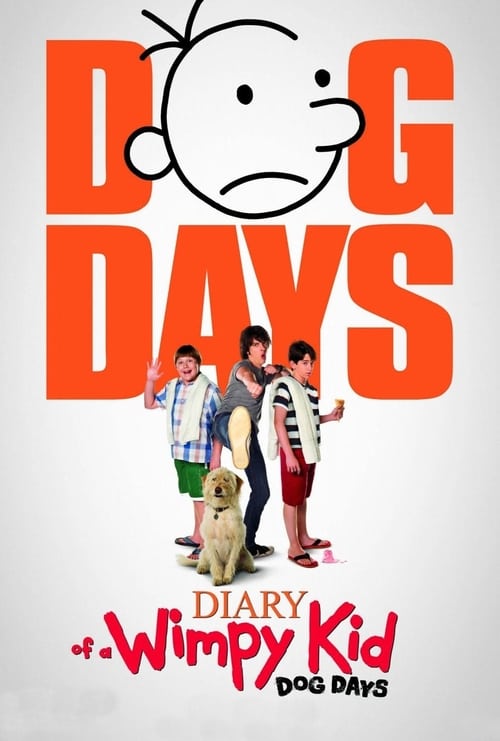
Diary of a Wimpy Kid: Dog Days
It's summertime, and Greg Heffley is looking forward to playing video games and spending time with his friends. However, Greg's dad has other plans: He's decided that some father-son bonding time is in order. Desperate to prevent his dad from ruining summer vacation, Greg pretends he has a job at a ritzy country club. But Greg's plan backfires, leaving him in the middle of embarrassing mishaps and a camping trip gone wrong.
Despite a mid-range budget of $22.0M, Diary of a Wimpy Kid: Dog Days became a solid performer, earning $76.2M worldwide—a 246% return.
2 wins & 7 nominations


Plot Structure
Story beats plotted across runtime


Narrative Arc
Emotional journey through the story's key moments
Story Circle
Blueprint 15-beat structure
Arcplot Score Breakdown
Weighted: Precision (70%) + Arc (15%) + Theme (15%)
Diary of a Wimpy Kid: Dog Days (2012) exemplifies carefully calibrated dramatic framework, characteristic of David Bowers's storytelling approach. This structural analysis examines how the film's 15-point plot structure maps to proven narrative frameworks across 1 hour and 34 minutes. With an Arcplot score of 7.0, the film balances conventional beats with creative variation.
Characters
Cast & narrative archetypes

Greg Heffley
Rodrick Heffley
Rowley Jefferson
Holly Hills
Frank Heffley
Susan Heffley
Patty Farrell
Main Cast & Characters
Greg Heffley
Played by Zachary Gordon
An awkward middle schooler who lies about having a country club job to impress his crush while navigating summer vacation mishaps.
Rodrick Heffley
Played by Devon Bostick
Greg's older brother and drummer in a rock band who reluctantly helps Greg with his lies while pursuing his own summer plans.
Rowley Jefferson
Played by Robert Capron
Greg's loyal but naive best friend who actually gets a country club job, inadvertently exposing Greg's deception.
Holly Hills
Played by Peyton List
Greg's summer crush and tennis player at the country club who becomes the focus of his schemes and eventual honesty.
Frank Heffley
Played by Steve Zahn
Greg's strict father who wants his sons to be more active and less dependent on video games during summer.
Susan Heffley
Played by Rachael Harris
Greg's supportive mother who encourages family bonding and creative activities while mediating household conflicts.
Patty Farrell
Played by Laine MacNeil
Greg's competitive classmate who also works at the country club and delights in exposing his lies.
Structural Analysis
The Status Quo at 1 minutes (1% through the runtime) establishes Greg daydreams in class about his ideal summer: playing video games, avoiding sunlight, and doing absolutely nothing productive. His fantasy establishes his lazy, comfort-seeking nature.. Of particular interest, this early placement immediately immerses viewers in the story world.
The inciting incident occurs at 12 minutes when Greg's summer plans collapse when his mom announces she's signed him up for activities and his dad insists on father-son bonding time. His fantasy summer of isolation is impossible.. At 12% through the film, this Disruption aligns precisely with traditional story structure. This beat shifts the emotional landscape, launching the protagonist into the central conflict.
The First Threshold at 24 minutes marks the transition into Act II, occurring at 26% of the runtime. This demonstrates the protagonist's commitment to Greg lies to his parents, claiming he has a job at the country club to spend his days there with Rowley and get closer to Holly. This deception commits him to maintaining a double life all summer., moving from reaction to action.
At 48 minutes, the Midpoint arrives at 51% of the runtime—precisely centered, creating perfect narrative symmetry. Of particular interest, this crucial beat Greg's double life appears to be working perfectly. He's impressed Holly, avoided his dad, and is living his dream summer. This false victory masks the fragility of his deception., fundamentally raising what's at risk. The emotional intensity shifts, dividing the narrative into clear before-and-after phases.
The Collapse moment at 71 minutes (75% through) represents the emotional nadir. Here, Greg's web of lies unravels catastrophically at a country club event when his deception is exposed in front of Holly, his family, and everyone. His carefully constructed summer fantasy dies., demonstrates the protagonist at their lowest point. This beat's placement in the final quarter sets up the climactic reversal.
The Second Threshold at 76 minutes initiates the final act resolution at 81% of the runtime. Greg realizes that avoiding his family and lying to impress others has cost him everything that matters. He decides to genuinely engage with his father and make things right with those he's hurt., demonstrating the transformation achieved throughout the journey.
Emotional Journey
Diary of a Wimpy Kid: Dog Days's emotional architecture traces a deliberate progression across 15 carefully calibrated beats.
Narrative Framework
This structural analysis employs structural analysis methodology used to understand storytelling architecture. By mapping Diary of a Wimpy Kid: Dog Days against these established plot points, we can identify how David Bowers utilizes or subverts traditional narrative conventions. The plot point approach reveals not only adherence to structural principles but also creative choices that distinguish Diary of a Wimpy Kid: Dog Days within the comedy genre.
David Bowers's Structural Approach
Among the 5 David Bowers films analyzed on Arcplot, the average structural score is 6.9, demonstrating varied approaches to story architecture. Diary of a Wimpy Kid: Dog Days represents one of the director's most structurally precise works. For comparative analysis, explore the complete David Bowers filmography.
Comparative Analysis
Additional comedy films include The Bad Guys, Ella Enchanted and The Evening Star. For more David Bowers analyses, see Astro Boy, Diary of a Wimpy Kid: The Long Haul and Diary of a Wimpy Kid: Rodrick Rules.
Plot Points by Act
Act I
SetupStatus Quo
Greg daydreams in class about his ideal summer: playing video games, avoiding sunlight, and doing absolutely nothing productive. His fantasy establishes his lazy, comfort-seeking nature.
Theme
Frank Heffley tells Greg that summer should be about family bonding and outdoor activities, not video games. This establishes the thematic question: what makes a meaningful summer and authentic relationships?
Worldbuilding
The Heffley household dynamics are established: Greg's strained relationship with his dad Frank, his friendship with Rowley, his crush on Holly Hills, and his older brother Rodrick's antagonism. Greg's desire to avoid outdoor activities and family bonding is clear.
Disruption
Greg's summer plans collapse when his mom announces she's signed him up for activities and his dad insists on father-son bonding time. His fantasy summer of isolation is impossible.
Resistance
Greg resists his father's attempts at bonding while desperately seeking escape routes. He sees Rowley's country club membership as his salvation and hatches a plan to tag along, encountering Holly Hills there.
Act II
ConfrontationFirst Threshold
Greg lies to his parents, claiming he has a job at the country club to spend his days there with Rowley and get closer to Holly. This deception commits him to maintaining a double life all summer.
Mirror World
Greg begins spending time with Holly Hills and her family, seeing a model of warm, genuine family relationships that contrasts with his avoidance of his own family.
Premise
Greg enjoys the country club lifestyle, hanging out with Rowley, getting closer to Holly, and avoiding his father's outdoor bonding attempts. He plays tennis, swims, and lives his ideal summer through deception.
Midpoint
Greg's double life appears to be working perfectly. He's impressed Holly, avoided his dad, and is living his dream summer. This false victory masks the fragility of his deception.
Opposition
Complications mount as Greg struggles to maintain his lies. His father's bonding attempts become more persistent, Rowley grows frustrated with Greg's behavior, and keeping his fake job secret becomes increasingly difficult.
Collapse
Greg's web of lies unravels catastrophically at a country club event when his deception is exposed in front of Holly, his family, and everyone. His carefully constructed summer fantasy dies.
Crisis
Greg faces the consequences of his dishonesty. He's lost Holly's trust, disappointed his parents, and damaged his friendship with Rowley. He must confront his pattern of avoiding genuine connection.
Act III
ResolutionSecond Threshold
Greg realizes that avoiding his family and lying to impress others has cost him everything that matters. He decides to genuinely engage with his father and make things right with those he's hurt.
Synthesis
Greg participates authentically in family activities, reconciles with Rowley, and makes amends with Holly by being honest. He finally connects with his father through genuine shared experiences.
Transformation
Greg reflects on a summer that turned out differently than planned but better than imagined. He's learned to value family, honesty, and real relationships over his fantasy of isolated comfort.