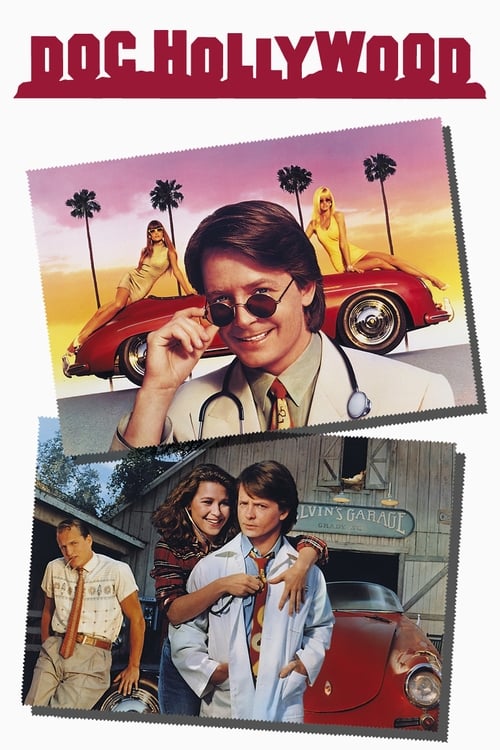
Doc Hollywood
After leaving Washington D.C. hospital, plastic surgeon Ben Stone heads for California, where a lucrative practice in Beverly Hills awaits. After a car accident, he's sentenced to perform as the community's general practitioner.
Despite a respectable budget of $20.0M, Doc Hollywood became a solid performer, earning $54.8M worldwide—a 174% return.


Plot Structure
Story beats plotted across runtime


Narrative Arc
Emotional journey through the story's key moments
Story Circle
Blueprint 15-beat structure
Arcplot Score Breakdown
Weighted: Precision (70%) + Arc (15%) + Theme (15%)
Doc Hollywood (1991) exemplifies strategically placed story structure, characteristic of Michael Caton-Jones's storytelling approach. This structural analysis examines how the film's 15-point plot structure maps to proven narrative frameworks across 1 hour and 44 minutes. With an Arcplot score of 7.1, the film balances conventional beats with creative variation.
Characters
Cast & narrative archetypes

Dr. Ben Stone
Lou
Dr. Aurelius Hogue
Vialula
Mayor Nick Nicholson
Nancy Lee Nicholson
Main Cast & Characters
Dr. Ben Stone
Played by Michael J. Fox
An ambitious young doctor headed to Los Angeles who gets stranded in a small South Carolina town and discovers a different kind of life.
Lou
Played by Julie Warner
The independent, spirited local ambulance driver who challenges Ben's superficial values and shows him what truly matters.
Dr. Aurelius Hogue
Played by Barnard Hughes
The aging, wise town doctor who needs help and sees potential in Ben beyond his plastic surgery ambitions.
Vialula
Played by Woody Harrelson
The eccentric, free-spirited cafe owner who embodies the town's quirky charm and becomes Ben's unlikely friend.
Mayor Nick Nicholson
Played by David Ogden Stiers
The persistent, opportunistic small-town mayor determined to keep Ben in Grady as their new doctor.
Nancy Lee Nicholson
Played by Bridget Fonda
The mayor's flirtatious daughter who represents the shallow attraction Ben is trying to escape.
Structural Analysis
The Status Quo at 2 minutes (2% through the runtime) establishes Ben Stone performs emergency surgery in Washington D.C., displaying his skill and ambition. He's a hotshot young doctor packing up to leave for his dream job in Beverly Hills, rejecting his colleagues' attempts to keep him.. Significantly, this early placement immediately immerses viewers in the story world.
The inciting incident occurs at 12 minutes when Ben crashes his Porsche into the fence of Grady, South Carolina after being distracted. He damages property and is arrested by the local judge, derailing his journey to Beverly Hills.. At 12% through the film, this Disruption aligns precisely with traditional story structure. This beat shifts the emotional landscape, launching the protagonist into the central conflict.
The First Threshold at 26 minutes marks the transition into Act II, occurring at 25% of the runtime. This reveals the protagonist's commitment to Judge Evans officially sentences Ben to 32 hours of community service at the hospital, and Ben reluctantly accepts he must stay in Grady. His Porsche needs parts that will take days. His LA dream is on hold., moving from reaction to action.
At 51 minutes, the Midpoint arrives at 50% of the runtime—precisely centered, creating perfect narrative symmetry. The analysis reveals that this crucial beat False victory: Ben and Lou share an intimate moment and growing connection. He successfully helps patients and gains the town's admiration. The town offers him Doc Hogue's practice. For a moment, staying seems possible - but he still plans to leave., fundamentally raising what's at risk. The emotional intensity shifts, dividing the narrative into clear before-and-after phases.
The Collapse moment at 77 minutes (74% through) represents the emotional nadir. Here, Lou confronts Ben, saying she won't be part of the town's scheme to trap him. She tells him to leave and get his "perfect life" in LA. Ben's relationship with Lou falls apart. He gets his car part - he can finally leave for his dream, but it feels hollow., shows the protagonist at their lowest point. This beat's placement in the final quarter sets up the climactic reversal.
The Second Threshold at 82 minutes initiates the final act resolution at 79% of the runtime. Ben reaches the outskirts of Los Angeles, sees the smog and urban sprawl, and realizes the "perfect life" isn't what he needs. He turns his Porsche around, choosing authenticity and love over prestige. He races back to Grady., demonstrating the transformation achieved throughout the journey.
Emotional Journey
Doc Hollywood's emotional architecture traces a deliberate progression across 15 carefully calibrated beats.
Narrative Framework
This structural analysis employs a 15-point narrative structure framework that maps key story moments. By mapping Doc Hollywood against these established plot points, we can identify how Michael Caton-Jones utilizes or subverts traditional narrative conventions. The plot point approach reveals not only adherence to structural principles but also creative choices that distinguish Doc Hollywood within the comedy genre.
Michael Caton-Jones's Structural Approach
Among the 5 Michael Caton-Jones films analyzed on Arcplot, the average structural score is 7.0, reflecting strong command of classical structure. Doc Hollywood represents one of the director's most structurally precise works. For comparative analysis, explore the complete Michael Caton-Jones filmography.
Comparative Analysis
Additional comedy films include The Bad Guys, Ella Enchanted and The Evening Star. For more Michael Caton-Jones analyses, see Rob Roy, The Jackal and City by the Sea.
Plot Points by Act
Act I
SetupStatus Quo
Ben Stone performs emergency surgery in Washington D.C., displaying his skill and ambition. He's a hotshot young doctor packing up to leave for his dream job in Beverly Hills, rejecting his colleagues' attempts to keep him.
Theme
Ben's colleague warns him that "there's more to life than money and beautiful people," foreshadowing the film's central question about what constitutes true success and fulfillment.
Worldbuilding
Establish Ben's superficial values, his cross-country road trip to LA in his Porsche, his arrogance about small-town life, and his complete focus on career advancement and material success.
Disruption
Ben crashes his Porsche into the fence of Grady, South Carolina after being distracted. He damages property and is arrested by the local judge, derailing his journey to Beverly Hills.
Resistance
Ben is sentenced to community service at the local hospital. He resists, trying to pay his way out and making arrogant comments about the town. He meets the locals including Lou the cafe owner, Hank the mayor who wants to recruit him, and glimpses Lou's daughter.
Act II
ConfrontationFirst Threshold
Judge Evans officially sentences Ben to 32 hours of community service at the hospital, and Ben reluctantly accepts he must stay in Grady. His Porsche needs parts that will take days. His LA dream is on hold.
Mirror World
Ben meets Lou's daughter, ambulance driver Vialula "Lou" (Julie Warner), who skinny-dips in the lake. She represents everything opposite to his superficial LA values - natural, unpretentious, rooted in community.
Premise
Ben experiences small-town medical practice, delivers a baby, bonds with elderly Doc Hogue who wants to retire, faces pressure from townsfolk who need a doctor. He begins falling for Lou while maintaining he's leaving. The town schemes to keep him.
Midpoint
False victory: Ben and Lou share an intimate moment and growing connection. He successfully helps patients and gains the town's admiration. The town offers him Doc Hogue's practice. For a moment, staying seems possible - but he still plans to leave.
Opposition
The town escalates schemes to keep Ben - stealing his car part, setting up romantic situations. Lou discovers their manipulation and feels betrayed that Ben might only be interested due to schemes. Beverly Hills keeps calling. Ben's internal conflict intensifies between two worlds.
Collapse
Lou confronts Ben, saying she won't be part of the town's scheme to trap him. She tells him to leave and get his "perfect life" in LA. Ben's relationship with Lou falls apart. He gets his car part - he can finally leave for his dream, but it feels hollow.
Crisis
Ben drives away from Grady toward Beverly Hills, processing what he's lost. He's achieved his goal of escaping the small town, but feels empty. He reflects on the genuine connections he made versus the superficial life awaiting him.
Act III
ResolutionSecond Threshold
Ben reaches the outskirts of Los Angeles, sees the smog and urban sprawl, and realizes the "perfect life" isn't what he needs. He turns his Porsche around, choosing authenticity and love over prestige. He races back to Grady.
Synthesis
Ben returns to Grady, crashes his car again in the same spot, confronts the townspeople about their schemes but forgives them. He declares his choice to stay and practice real medicine. He pursues Lou, proving his commitment is genuine.
Transformation
Final image mirrors the opening: Ben performs surgery, but now in Grady's small hospital with Lou by his side. He's transformed from ambitious loner seeking status to community doctor who found purpose, love, and belonging. The town celebrates their new doctor.