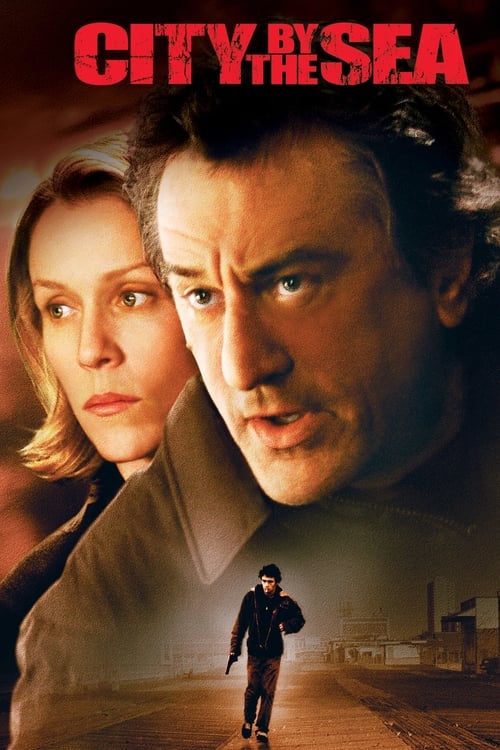
City by the Sea
Vincent LaMarca is a dedicated and well-respected New York City police detective who has gone to great lengths to distance himself from his past, but then makes the terrible discovery that his own son has fallen into a life of crime.
The film disappointed at the box office against its mid-range budget of $40.0M, earning $22.4M globally (-44% loss). While initial box office returns were modest, the film has gained appreciation for its innovative storytelling within the crime genre.


Plot Structure
Story beats plotted across runtime


Narrative Arc
Emotional journey through the story's key moments
Story Circle
Blueprint 15-beat structure
Arcplot Score Breakdown
Weighted: Precision (70%) + Arc (15%) + Theme (15%)
City by the Sea (2002) exhibits meticulously timed story structure, characteristic of Michael Caton-Jones's storytelling approach. This structural analysis examines how the film's 15-point plot structure maps to proven narrative frameworks across 1 hour and 48 minutes. With an Arcplot score of 7.0, the film balances conventional beats with creative variation.
Characters
Cast & narrative archetypes

Vincent LaMarca
Joey LaMarca
Michelle
Reg Duffy
Maggie
Spyder
Angelo Bonnano
Main Cast & Characters
Vincent LaMarca
Played by Robert De Niro
A veteran NYPD detective haunted by his father's execution for murder, now investigating crimes in Long Beach where his estranged drug-addicted son lives.
Joey LaMarca
Played by James Franco
Vincent's estranged son, a drug addict living in Long Beach who becomes a murder suspect, continuing a cycle of violence and abandonment.
Michelle
Played by Eliza Dushku
A struggling single mother and prostitute involved with Joey, representing his one connection to redemption and normalcy.
Reg Duffy
Played by George Dzundza
Vincent's veteran partner and closest friend on the force, providing support and moral grounding throughout the investigation.
Maggie
Played by Frances McDormand
Vincent's girlfriend and emotional anchor, offering stability and pushing him to confront his abandonment of Joey.
Spyder
Played by William Forsythe
A violent drug dealer and Joey's criminal associate, serving as the film's primary antagonist and corrupting influence.
Angelo Bonnano
Played by Patti LuPone
Vincent's grandfather who raised him after his father's execution, representing the weight of family legacy and shame.
Structural Analysis
The Status Quo at 1 minutes (1% through the runtime) establishes Vincent LaMarca works as a respected homicide detective in New York, having built a career and reputation despite the shadow of his father's execution for murder. He maintains emotional distance from relationships, including his girlfriend Michelle.. Of particular interest, this early placement immediately immerses viewers in the story world.
The inciting incident occurs at 13 minutes when Vincent is assigned to investigate a murder in Long Beach, where a drug dealer has been killed. The case will force him into proximity with the son he abandoned and the past he's tried to escape.. At 12% through the film, this Disruption aligns precisely with traditional story structure. This beat shifts the emotional landscape, launching the protagonist into the central conflict.
The First Threshold at 28 minutes marks the transition into Act II, occurring at 26% of the runtime. This reveals the protagonist's commitment to Vincent discovers definitively that his son Joey is the primary suspect in the murder case. He must decide whether to recuse himself or pursue his own son, choosing to stay on the case despite the personal stakes., moving from reaction to action.
At 54 minutes, the Midpoint arrives at 50% of the runtime—precisely centered, creating perfect narrative symmetry. Structural examination shows that this crucial beat Vincent confronts Joey directly for the first time, but Joey refuses his help and flees. The encounter is hostile and painful, showing Vincent that reconciliation won't be easy. The stakes escalate as other law enforcement closes in on Joey., fundamentally raising what's at risk. The emotional intensity shifts, dividing the narrative into clear before-and-after phases.
The Collapse moment at 80 minutes (75% through) represents the emotional nadir. Here, Joey commits another violent act or Vincent discovers evidence that makes Joey's guilt undeniable. Vincent faces the devastating reality that he may have to arrest his own son or that Joey may be killed by other officers. The weight of generational failure crushes him., demonstrates the protagonist at their lowest point. This beat's placement in the final quarter sets up the climactic reversal.
The Second Threshold at 87 minutes initiates the final act resolution at 80% of the runtime. Vincent realizes that being a father means being present even in the worst circumstances. He chooses to find Joey not as a cop making an arrest, but as a father offering connection and accountability. He accepts that saving Joey means facing the truth together., demonstrating the transformation achieved throughout the journey.
Emotional Journey
City by the Sea's emotional architecture traces a deliberate progression across 15 carefully calibrated beats.
Narrative Framework
This structural analysis employs structural analysis methodology used to understand storytelling architecture. By mapping City by the Sea against these established plot points, we can identify how Michael Caton-Jones utilizes or subverts traditional narrative conventions. The plot point approach reveals not only adherence to structural principles but also creative choices that distinguish City by the Sea within the crime genre.
Michael Caton-Jones's Structural Approach
Among the 5 Michael Caton-Jones films analyzed on Arcplot, the average structural score is 7.0, reflecting strong command of classical structure. City by the Sea exemplifies the director's characteristic narrative technique. For comparative analysis, explore the complete Michael Caton-Jones filmography.
Comparative Analysis
Additional crime films include The Bad Guys, Rustom and The Whole Ten Yards. For more Michael Caton-Jones analyses, see Rob Roy, The Jackal and Doc Hollywood.
Plot Points by Act
Act I
SetupStatus Quo
Vincent LaMarca works as a respected homicide detective in New York, having built a career and reputation despite the shadow of his father's execution for murder. He maintains emotional distance from relationships, including his girlfriend Michelle.
Theme
A colleague or Michelle mentions how sins of the father affect the son, or discusses whether we can escape our family's legacy. The film explores whether Vincent can break the cycle of abandonment and violence that defined his own father.
Worldbuilding
Establishment of Vincent's world as a detective, his relationship with Michelle, flashbacks to his father's execution, and the revelation that Vincent abandoned his own son Joey years ago. We see the decaying Long Beach boardwalk community where Joey now lives.
Disruption
Vincent is assigned to investigate a murder in Long Beach, where a drug dealer has been killed. The case will force him into proximity with the son he abandoned and the past he's tried to escape.
Resistance
Vincent investigates the murder while learning more about the drug world of Long Beach. He resists confronting his past and his son. Evidence begins pointing toward Joey as a suspect, creating internal conflict about whether to pursue the case.
Act II
ConfrontationFirst Threshold
Vincent discovers definitively that his son Joey is the primary suspect in the murder case. He must decide whether to recuse himself or pursue his own son, choosing to stay on the case despite the personal stakes.
Mirror World
Vincent meets or reconnects with Joey's girlfriend Gina, who represents the possibility of redemption and family connection. She challenges Vincent's abandonment and shows him what Joey has become without a father.
Premise
Vincent hunts for Joey while trying to protect him, navigating the moral complexity of being both cop and father. He investigates the drug underworld, confronts his own guilt about abandonment, and deals with media attention as his father's history becomes public.
Midpoint
Vincent confronts Joey directly for the first time, but Joey refuses his help and flees. The encounter is hostile and painful, showing Vincent that reconciliation won't be easy. The stakes escalate as other law enforcement closes in on Joey.
Opposition
The investigation intensifies as Vincent's colleagues suspect he's protecting Joey. Media exploits the connection to Vincent's executed father. Joey spirals deeper into addiction and danger. Vincent's relationship with Michelle deteriorates as his obsession with saving Joey consumes him.
Collapse
Joey commits another violent act or Vincent discovers evidence that makes Joey's guilt undeniable. Vincent faces the devastating reality that he may have to arrest his own son or that Joey may be killed by other officers. The weight of generational failure crushes him.
Crisis
Vincent grapples with his darkest fears about legacy and fatherhood. He reflects on how his own abandonment created Joey's pain. Michelle and others challenge him to break the cycle rather than perpetuate it.
Act III
ResolutionSecond Threshold
Vincent realizes that being a father means being present even in the worst circumstances. He chooses to find Joey not as a cop making an arrest, but as a father offering connection and accountability. He accepts that saving Joey means facing the truth together.
Synthesis
Vincent tracks down Joey and confronts him as a father, not just a detective. The final confrontation involves Vincent protecting Joey while holding him accountable. He breaks the cycle of abandonment by refusing to leave Joey, even as the law closes in.
Transformation
Vincent stands by Joey as he faces consequences, finally present as a father. The image shows Vincent having broken the cycle of abandonment that defined his relationship with his own father, choosing connection over distance despite the cost.