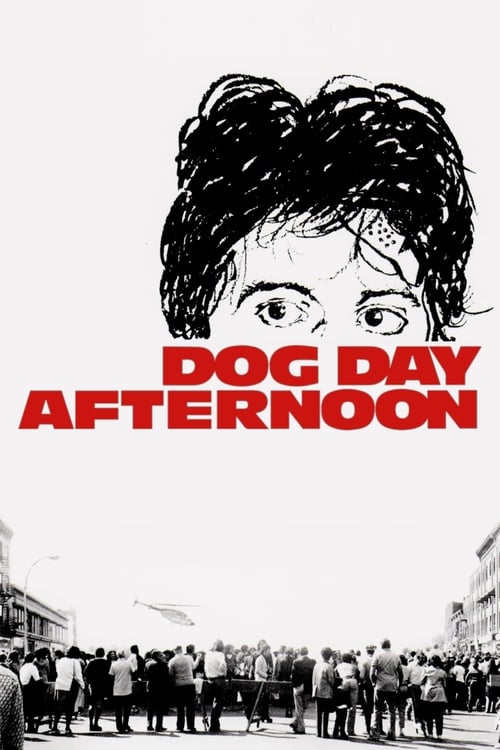
Dog Day Afternoon
Based on the true story of would-be Brooklyn bank robbers John Wojtowicz and Salvatore Naturile. Sonny and Sal attempt a bank heist which quickly turns sour and escalates into a hostage situation and stand-off with the police. As Sonny's motives for the robbery are slowly revealed and things become more complicated, the heist turns into a media circus.
Despite its small-scale budget of $1.8M, Dog Day Afternoon became a box office phenomenon, earning $56.7M worldwide—a remarkable 3048% return. The film's compelling narrative engaged audiences, demonstrating that strong storytelling can transcend budget limitations.
1 Oscar. 14 wins & 20 nominations


Plot Structure
Story beats plotted across runtime


Narrative Arc
Emotional journey through the story's key moments
Story Circle
Blueprint 15-beat structure
Arcplot Score Breakdown
Weighted: Precision (70%) + Arc (15%) + Theme (15%)
Dog Day Afternoon (1975) exemplifies precise narrative architecture, characteristic of Sidney Lumet's storytelling approach. This structural analysis examines how the film's 15-point plot structure maps to proven narrative frameworks across 2 hours and 4 minutes. With an Arcplot score of 6.8, the film balances conventional beats with creative variation.
Characters
Cast & narrative archetypes

Sonny Wortzik
Sal Naturile
Detective Sergeant Eugene Moretti
Leon Shermer
Sheldon
Angie
FBI Agent Sheldon
Main Cast & Characters
Sonny Wortzik
Played by Al Pacino
A desperate man who robs a bank to pay for his lover's sex reassignment surgery, becoming increasingly unhinged as the situation spirals out of control.
Sal Naturile
Played by John Cazale
Sonny's quiet, loyal accomplice who follows orders and provides grounding presence during the chaotic robbery.
Detective Sergeant Eugene Moretti
Played by Charles Durning
The lead negotiator who attempts to peacefully resolve the hostage situation while managing Sonny's volatile emotions.
Leon Shermer
Played by Chris Sarandon
Sonny's transgender lover for whom the robbery was staged, representing Sonny's core motivation and emotional anchor.
Sheldon
Played by James Broderick
The head bank teller who becomes a key hostage and develops Stockholm syndrome-like sympathy for Sonny.
Angie
Played by Susan Peretz
Sonny's wife and mother of his children, representing his conventional life and social obligations.
FBI Agent Sheldon
Played by Lance Henriksen
The cold, methodical FBI agent who takes over negotiations and orchestrates the final resolution.
Structural Analysis
The Status Quo at 1 minutes (1% through the runtime) establishes A hot Brooklyn day. Sonny and his accomplices drive through the city streets, ordinary men about to do something desperate. Elton John's "Amoreena" plays, establishing the mundane world before chaos.. The analysis reveals that this early placement immediately immerses viewers in the story world.
The inciting incident occurs at 15 minutes when The police arrive outside. A passing pedestrian noticed something wrong. Sonny and Sal are now trapped inside with hostages. The robbery transforms into a siege, and escape becomes impossible.. At 12% through the film, this Disruption aligns precisely with traditional story structure. This beat shifts the emotional landscape, launching the protagonist into the central conflict.
The First Threshold at 31 minutes marks the transition into Act II, occurring at 25% of the runtime. This illustrates the protagonist's commitment to Sonny steps outside to face the crowd and police for the first time. He actively chooses to engage with the media circus rather than surrender. His famous "ATTICA! ATTICA!" chant marks his transformation from failed robber to public spectacle., moving from reaction to action.
At 63 minutes, the Midpoint arrives at 51% of the runtime—precisely centered, creating perfect narrative symmetry. Of particular interest, this crucial beat Leon arrives - Sonny's transgender partner, the reason for the robbery (money for Leon's sex reassignment surgery). This revelation raises the stakes enormously. Sonny's motivation shifts from criminal to tragically human. The media and public opinion begin to turn. False victory becomes complex exposure., fundamentally raising what's at risk. The emotional intensity shifts, dividing the narrative into clear before-and-after phases.
The Collapse moment at 93 minutes (75% through) represents the emotional nadir. Here, Sonny writes his will on a piece of paper, dividing his life insurance among Leon, his wife, and his mother. This is the "whiff of death" - Sonny knows he won't survive this. His dream is dead; he's just going through the motions now., demonstrates the protagonist at their lowest point. This beat's placement in the final quarter sets up the climactic reversal.
The Second Threshold at 99 minutes initiates the final act resolution at 80% of the runtime. The limo arrives. Sonny, Sal, and the hostages get in and drive to the airport. Sonny accepts his fate - there is no synthesis of lessons learned, only resignation. He crosses into the final sequence knowing he's powerless, but he goes forward anyway., demonstrating the transformation achieved throughout the journey.
Emotional Journey
Dog Day Afternoon's emotional architecture traces a deliberate progression across 15 carefully calibrated beats.
Narrative Framework
This structural analysis employs systematic plot point analysis that identifies crucial turning points. By mapping Dog Day Afternoon against these established plot points, we can identify how Sidney Lumet utilizes or subverts traditional narrative conventions. The plot point approach reveals not only adherence to structural principles but also creative choices that distinguish Dog Day Afternoon within the crime genre.
Sidney Lumet's Structural Approach
Among the 15 Sidney Lumet films analyzed on Arcplot, the average structural score is 6.8, demonstrating varied approaches to story architecture. Dog Day Afternoon takes a more unconventional approach compared to the director's typical style. For comparative analysis, explore the complete Sidney Lumet filmography.
Comparative Analysis
Additional crime films include The Bad Guys, Rustom and The Whole Ten Yards. For more Sidney Lumet analyses, see Guilty as Sin, Murder on the Orient Express and The Wiz.
Plot Points by Act
Act I
SetupStatus Quo
A hot Brooklyn day. Sonny and his accomplices drive through the city streets, ordinary men about to do something desperate. Elton John's "Amoreena" plays, establishing the mundane world before chaos.
Theme
After Stevie flees, Sonny yells "Is there any special country you want to go to?" The theme emerges: desperate dreams versus harsh reality, the gap between who we want to be and what we're capable of doing.
Worldbuilding
The setup of the botched robbery. Sonny, Sal, and Stevie enter the bank, pull guns, and attempt to control the situation. Stevie panics and leaves. The vault has already been emptied. What should be a quick job becomes a nightmare.
Disruption
The police arrive outside. A passing pedestrian noticed something wrong. Sonny and Sal are now trapped inside with hostages. The robbery transforms into a siege, and escape becomes impossible.
Resistance
Sonny debates what to do. He burns the register to destroy evidence, negotiates with the bank manager Mulvaney, and tries to maintain control of his hostages. He's not a natural criminal - he's making it up as he goes, stalling for a solution that doesn't exist.
Act II
ConfrontationFirst Threshold
Sonny steps outside to face the crowd and police for the first time. He actively chooses to engage with the media circus rather than surrender. His famous "ATTICA! ATTICA!" chant marks his transformation from failed robber to public spectacle.
Mirror World
Detective Moretti becomes Sonny's phone negotiator. Their relationship - antagonistic yet oddly human - carries the film's theme. Moretti represents the system, but he also represents compromise, negotiation, and the possibility of resolution through human connection.
Premise
The "fun and games" of the siege. Sonny plays to the crowd, bonds with his hostages, negotiates for transportation, orders pizza. The media turns him into a folk hero. The premise promised a bank robbery; we get a tragicomic circus of one man's desperate bid for dignity.
Midpoint
Leon arrives - Sonny's transgender partner, the reason for the robbery (money for Leon's sex reassignment surgery). This revelation raises the stakes enormously. Sonny's motivation shifts from criminal to tragically human. The media and public opinion begin to turn. False victory becomes complex exposure.
Opposition
Pressure mounts. The FBI takes over. Sonny's wife Angie arrives, creating more emotional chaos. Leon refuses to help. The hostages grow weary. The transportation to the airport is arranged, but it feels less like escape and more like a trap closing. Sonny's control and media sympathy slip away.
Collapse
Sonny writes his will on a piece of paper, dividing his life insurance among Leon, his wife, and his mother. This is the "whiff of death" - Sonny knows he won't survive this. His dream is dead; he's just going through the motions now.
Crisis
The dark night. Sonny and Sal prepare to leave with hostages for the airport. The mood is somber, resigned. Sonny knows this won't end well, but he has no other moves. He processes his losses - Leon, dignity, freedom - before the final act.
Act III
ResolutionSecond Threshold
The limo arrives. Sonny, Sal, and the hostages get in and drive to the airport. Sonny accepts his fate - there is no synthesis of lessons learned, only resignation. He crosses into the final sequence knowing he's powerless, but he goes forward anyway.
Synthesis
The finale at the airport. Sonny releases hostages, boards the plane. In a swift betrayal, the FBI agent shoots Sal dead. Sonny is arrested. No heroic escape, no last-minute reversal - just the inevitable end of a doomed endeavor. The system wins.
Transformation
Sonny sits in the back of the police car, defeated and silent, driven away from the airport. Where the opening showed an ordinary man with desperate hope, the closing shows that same man destroyed by his choices. The transformation is complete: from dreamer to prisoner.