Emma
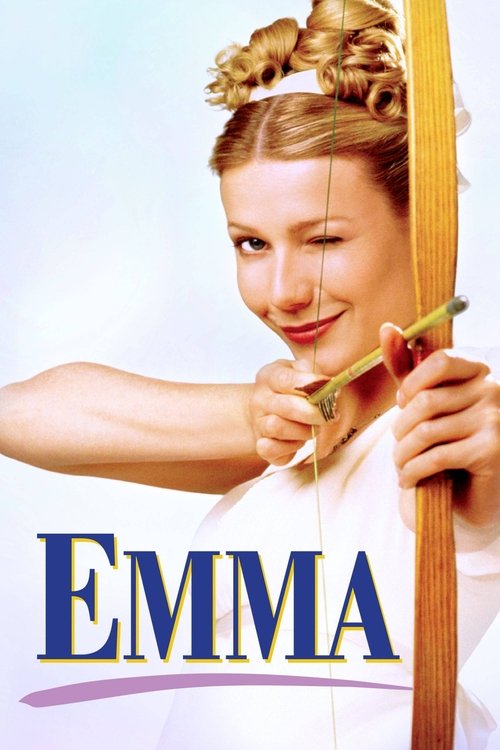
Emma Woodhouse is a congenial young lady who delights in meddling in other people’s affairs. She is perpetually trying to unite men and women who are utterly wrong for each other. Despite her interest in romance, Emma is clueless about her own feelings, and her relationship with gentle Mr. Knightley.
Despite its small-scale budget of $6.0M, Emma became a solid performer, earning $22.2M worldwide—a 271% return. The film's distinctive approach found its audience, confirming that strong storytelling can transcend budget limitations.
1 Oscar. 3 wins & 7 nominations


Plot Structure
Story beats plotted across runtime


Narrative Arc
Emotional journey through the story's key moments
Story Circle
Blueprint 15-beat structure
Arcplot Score Breakdown
Weighted: Precision (70%) + Arc (15%) + Theme (15%)
Emma (1996) exhibits meticulously timed story structure, characteristic of Douglas McGrath's storytelling approach. This structural analysis examines how the film's 15-point plot structure maps to proven narrative frameworks across 2 hours and 1 minutes. With an Arcplot score of 6.9, the film balances conventional beats with creative variation.
Characters
Cast & narrative archetypes

Emma Woodhouse
Mr. George Knightley
Harriet Smith
Mr. Elton
Frank Churchill
Jane Fairfax
Mrs. Elton
Main Cast & Characters
Emma Woodhouse
Played by Gwyneth Paltrow
A clever, wealthy young woman who fancies herself a matchmaker but is blind to her own romantic feelings.
Mr. George Knightley
Played by Jeremy Northam
Emma's longtime friend and brother-in-law who provides moral guidance and eventually reveals his love for her.
Harriet Smith
Played by Toni Collette
A sweet, naive young woman of unknown parentage whom Emma takes under her wing as a matchmaking project.
Mr. Elton
Played by Alan Cumming
A self-important vicar who Emma believes is perfect for Harriet, but who actually has designs on Emma herself.
Frank Churchill
Played by Ewan McGregor
A charming, handsome young man whose flirtatious behavior conceals a secret engagement.
Jane Fairfax
Played by Polly Walker
A beautiful, accomplished but reserved young woman who is secretly engaged to Frank Churchill.
Mrs. Elton
Played by Juliet Stevenson
The new Mrs. Elton, a vulgar and presumptuous woman who considers herself Emma's social equal.
Structural Analysis
The Status Quo at 1 minutes (1% through the runtime) establishes Emma Woodhouse walks through her grand estate in Highbury, beautiful, clever, and rich, with a comfortable home and happy disposition. She has just successfully matched her governess Miss Taylor with Mr. Weston, and feels supreme confidence in her matchmaking abilities.. Of particular interest, this early placement immediately immerses viewers in the story world.
The inciting incident occurs at 13 minutes when Emma meets Harriet Smith and becomes determined to shape her future. She decides to elevate Harriet's social standing by discouraging her affection for farmer Robert Martin and instead matching her with Mr. Elton, the local vicar, believing Harriet deserves a gentleman.. At 11% through the film, this Disruption aligns precisely with traditional story structure. This beat shifts the emotional landscape, launching the protagonist into the central conflict.
The First Threshold at 30 minutes marks the transition into Act II, occurring at 25% of the runtime. This indicates the protagonist's commitment to In the carriage after a Christmas party, Mr. Elton shockingly declares his love for Emma herself, not Harriet. He reveals he never had feelings for Harriet and considered her beneath him. Emma realizes her matchmaking has catastrophically failed and hurt Harriet. She is forced to confront that her meddling has real consequences., moving from reaction to action.
At 60 minutes, the Midpoint arrives at 50% of the runtime—precisely centered, creating perfect narrative symmetry. Structural examination shows that this crucial beat At the ball, Mr. Knightley gallantly rescues Harriet from humiliation when Mr. Elton refuses to dance with her, and dances with Harriet himself. Emma watches, deeply moved by his kindness and honor. For the first time, she sees Mr. Knightley in a romantic light, though she doesn't yet acknowledge it. The evening feels like a romantic victory., fundamentally raising what's at risk. The emotional intensity shifts, dividing the narrative into clear before-and-after phases.
The Collapse moment at 89 minutes (74% through) represents the emotional nadir. Here, Harriet reveals she has feelings for Mr. Knightley and believes he returns them. Emma is devastated, realizing in a crushing moment that she herself is in love with Mr. Knightley and has been all along. She understands she has been blind, selfish, and has potentially lost the man she loves through her own machinations. Her world collapses., demonstrates the protagonist at their lowest point. This beat's placement in the final quarter sets up the climactic reversal.
The Second Threshold at 96 minutes initiates the final act resolution at 79% of the runtime. Mr. Knightley confesses his love for Emma, revealing he has always loved her. Emma, overwhelmed with relief and joy, accepts him. She learns that Harriet is actually engaged to Robert Martin (Mr. Knightley helped reconcile them). Emma sees that honesty and genuine feeling trump manipulation and social scheming., demonstrating the transformation achieved throughout the journey.
Emotional Journey
Emma's emotional architecture traces a deliberate progression across 15 carefully calibrated beats.
Narrative Framework
This structural analysis employs systematic plot point analysis that identifies crucial turning points. By mapping Emma against these established plot points, we can identify how Douglas McGrath utilizes or subverts traditional narrative conventions. The plot point approach reveals not only adherence to structural principles but also creative choices that distinguish Emma within the romance genre.
Douglas McGrath's Structural Approach
Among the 2 Douglas McGrath films analyzed on Arcplot, the average structural score is 7.1, reflecting strong command of classical structure. Emma takes a more unconventional approach compared to the director's typical style. For comparative analysis, explore the complete Douglas McGrath filmography.
Comparative Analysis
Additional romance films include South Pacific, Dirty Dancing: Havana Nights and The Evening Star. For more Douglas McGrath analyses, see I Don't Know How She Does It.
Plot Points by Act
Act I
SetupStatus Quo
Emma Woodhouse walks through her grand estate in Highbury, beautiful, clever, and rich, with a comfortable home and happy disposition. She has just successfully matched her governess Miss Taylor with Mr. Weston, and feels supreme confidence in her matchmaking abilities.
Theme
Mr. Knightley warns Emma at the wedding celebration: "You made a lucky guess, and that is all that can be said." He cautions her against meddling in other people's lives and making matches, suggesting she should focus on her own self-improvement.
Worldbuilding
Establishment of Emma's world in Highbury society: her relationship with her hypochondriac father, her friendship with Mr. Knightley, the social hierarchy of the village, and the arrival of Harriet Smith, a young woman of unknown parentage whom Emma decides to take under her wing and "improve."
Disruption
Emma meets Harriet Smith and becomes determined to shape her future. She decides to elevate Harriet's social standing by discouraging her affection for farmer Robert Martin and instead matching her with Mr. Elton, the local vicar, believing Harriet deserves a gentleman.
Resistance
Emma actively works to prevent Harriet from accepting Robert Martin's proposal and orchestrates situations to bring Harriet and Mr. Elton together. Mr. Knightley protests that Emma is meddling and that Robert Martin is a worthy match, but Emma dismisses his concerns. She paints Harriet's portrait while Mr. Elton flatters excessively.
Act II
ConfrontationFirst Threshold
In the carriage after a Christmas party, Mr. Elton shockingly declares his love for Emma herself, not Harriet. He reveals he never had feelings for Harriet and considered her beneath him. Emma realizes her matchmaking has catastrophically failed and hurt Harriet. She is forced to confront that her meddling has real consequences.
Mirror World
Frank Churchill, Mr. Weston's charming son, arrives in Highbury and catches everyone's attention. Emma finds him delightful and others begin to speculate about a possible match. More importantly, Jane Fairfax returns to visit her aunt Miss Bates—Jane represents everything Emma should be: accomplished, modest, and genuinely selfless.
Premise
Emma navigates the social world with Frank Churchill, flirts and schemes, tries to match Harriet with someone new, and deals with her inexplicable irritation at Jane Fairfax. Frank and Emma play at matchmaking, suggesting Jane and Mr. Knightley might suit. Emma experiences the "fun" of her social position while remaining blind to her own feelings and the feelings of those around her.
Midpoint
At the ball, Mr. Knightley gallantly rescues Harriet from humiliation when Mr. Elton refuses to dance with her, and dances with Harriet himself. Emma watches, deeply moved by his kindness and honor. For the first time, she sees Mr. Knightley in a romantic light, though she doesn't yet acknowledge it. The evening feels like a romantic victory.
Opposition
Emma's flaws intensify: she cruelly insults Miss Bates at Box Hill, prompting Mr. Knightley's devastating rebuke. Harriet confesses she loves a gentleman who rescued her (Emma thinks she means Frank, but it's Mr. Knightley). Frank Churchill's secret engagement to Jane Fairfax is revealed, exposing Emma's blindness. Everything Emma thought she understood unravels.
Collapse
Harriet reveals she has feelings for Mr. Knightley and believes he returns them. Emma is devastated, realizing in a crushing moment that she herself is in love with Mr. Knightley and has been all along. She understands she has been blind, selfish, and has potentially lost the man she loves through her own machinations. Her world collapses.
Crisis
Emma suffers in silence, confronting her jealousy, her mistakes, and her genuine transformation. She cannot sleep, cannot eat. She reflects on every interaction with Mr. Knightley, seeing clearly for the first time how poorly she has behaved and how much she has taken for granted. She prepares to lose him to Harriet.
Act III
ResolutionSecond Threshold
Mr. Knightley confesses his love for Emma, revealing he has always loved her. Emma, overwhelmed with relief and joy, accepts him. She learns that Harriet is actually engaged to Robert Martin (Mr. Knightley helped reconcile them). Emma sees that honesty and genuine feeling trump manipulation and social scheming.
Synthesis
Emma makes amends: she genuinely befriends Jane Fairfax, apologizes to Miss Bates through changed behavior, and blesses Harriet's engagement to Robert Martin. She plans her wedding to Mr. Knightley, acknowledging that he will move into Hartfield to care for her father. Emma has learned humility, self-awareness, and true compassion.
Transformation
Emma and Mr. Knightley's wedding. Emma, now genuinely humble and self-aware, walks toward a partnership of equals. Unlike the opening where she manipulated others' marriages, she enters her own with honesty, maturity, and true love. She has transformed from a meddling girl into a woman of genuine character.