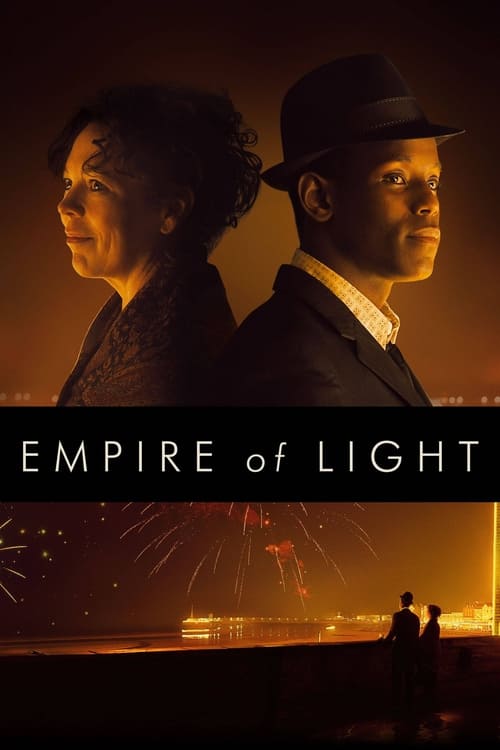
Empire of Light
The duty manager of a seaside cinema, who is struggling with her mental health, forms a relationship with a new employee on the south coast of England in the 1980s.
The film struggled financially against its limited budget of $13.5M, earning $11.4M globally (-16% loss).
Nominated for 1 Oscar. 3 wins & 39 nominations


Plot Structure
Story beats plotted across runtime


Narrative Arc
Emotional journey through the story's key moments
Story Circle
Blueprint 15-beat structure
Arcplot Score Breakdown
Weighted: Precision (70%) + Arc (15%) + Theme (15%)
Empire of Light (2022) demonstrates deliberately positioned dramatic framework, characteristic of Sam Mendes's storytelling approach. This structural analysis examines how the film's 15-point plot structure maps to proven narrative frameworks across 1 hour and 55 minutes. With an Arcplot score of 6.9, the film balances conventional beats with creative variation.
Characters
Cast & narrative archetypes

Hilary Small
Stephen Murray
Donald Ellis
Norman
Janine
Main Cast & Characters
Hilary Small
Played by Olivia Colman
Cinema duty manager struggling with mental health, enters relationship with younger employee Stephen
Stephen Murray
Played by Micheal Ward
Young Black cinema employee who forms connection with Hilary while facing racism
Donald Ellis
Played by Colin Firth
Charismatic but predatory cinema manager who exploits Hilary
Norman
Played by Toby Jones
Elderly projectionist who mentors Stephen and represents cinema's golden age
Janine
Played by Hannah Onslow
Caring cinema employee and friend to Hilary
Structural Analysis
The Status Quo at 1 minutes (1% through the runtime) establishes Hilary opens the Empire cinema for another day, going through her mechanical routine. She appears isolated, emotionally numb, trapped in a joyless existence managing the movie theater.. Notably, this early placement immediately immerses viewers in the story world.
The inciting incident occurs at 13 minutes when Stephen Murray, a young Black man, arrives for his first day of work at the cinema. His youth, warmth, and genuine enthusiasm disrupts the stagnant atmosphere and catches Hilary's attention.. At 11% through the film, this Disruption aligns precisely with traditional story structure. This beat shifts the emotional landscape, launching the protagonist into the central conflict.
The First Threshold at 28 minutes marks the transition into Act II, occurring at 24% of the runtime. This illustrates the protagonist's commitment to Hilary accepts Stephen's invitation to spend time together outside of work. She makes the active choice to step beyond her isolated routine and allow connection, despite the risks to her carefully controlled existence., moving from reaction to action.
At 58 minutes, the Midpoint arrives at 50% of the runtime—precisely centered, creating perfect narrative symmetry. Of particular interest, this crucial beat Hilary stops taking her psychiatric medication, believing love has cured her. This false victory masks impending danger. Simultaneously, Mr. Ellis discovers the relationship and confronts Hilary, threatening the fragile happiness she's found., fundamentally raising what's at risk. The emotional intensity shifts, dividing the narrative into clear before-and-after phases.
The Collapse moment at 85 minutes (74% through) represents the emotional nadir. Here, Hilary has a complete mental breakdown and is hospitalized. Her dreams of love and normalcy die. Stephen is violently attacked by racists. Both experience their darkest moments, physically and emotionally separated, their connection seemingly destroyed., indicates the protagonist at their lowest point. This beat's placement in the final quarter sets up the climactic reversal.
The Second Threshold at 92 minutes initiates the final act resolution at 80% of the runtime. Hilary returns to the cinema, accepting her illness and the need for medication. She realizes that real connection isn't about being "cured" but about being honest and present. She finds Stephen to make amends, accepting reality rather than fantasy., demonstrating the transformation achieved throughout the journey.
Emotional Journey
Empire of Light's emotional architecture traces a deliberate progression across 15 carefully calibrated beats.
Narrative Framework
This structural analysis employs proven narrative structure principles that track dramatic progression. By mapping Empire of Light against these established plot points, we can identify how Sam Mendes utilizes or subverts traditional narrative conventions. The plot point approach reveals not only adherence to structural principles but also creative choices that distinguish Empire of Light within the drama genre.
Sam Mendes's Structural Approach
Among the 9 Sam Mendes films analyzed on Arcplot, the average structural score is 6.5, demonstrating varied approaches to story architecture. Empire of Light represents one of the director's most structurally precise works. For comparative analysis, explore the complete Sam Mendes filmography.
Comparative Analysis
Additional drama films include After Thomas, South Pacific and Dirty Dancing: Havana Nights. For more Sam Mendes analyses, see Revolutionary Road, American Beauty and Spectre.
Plot Points by Act
Act I
SetupStatus Quo
Hilary opens the Empire cinema for another day, going through her mechanical routine. She appears isolated, emotionally numb, trapped in a joyless existence managing the movie theater.
Theme
Norman the projectionist tells Hilary about the magic of light and cinema, how it brings stories to life in the darkness. This conversation establishes the film's central metaphor about finding illumination and connection.
Worldbuilding
We see Hilary's controlled but empty life: her affair with married cinema owner Mr. Ellis, her strained relationship with staff, the rigid class dynamics of 1980s Britain, and hints of her mental health struggles and medication.
Disruption
Stephen Murray, a young Black man, arrives for his first day of work at the cinema. His youth, warmth, and genuine enthusiasm disrupts the stagnant atmosphere and catches Hilary's attention.
Resistance
Hilary trains Stephen, and they begin forming a tentative connection. She resists opening up but is drawn to his kindness. Stephen navigates the casual racism of the era and the workplace dynamics while showing interest in Hilary beyond their age difference.
Act II
ConfrontationFirst Threshold
Hilary accepts Stephen's invitation to spend time together outside of work. She makes the active choice to step beyond her isolated routine and allow connection, despite the risks to her carefully controlled existence.
Mirror World
Hilary and Stephen share an intimate moment on the cinema roof, looking out at the sea. Their relationship deepens into romance, offering Hilary hope and connection she hasn't felt in years. Stephen represents the possibility of healing.
Premise
Hilary and Stephen's secret relationship blossoms. She experiences joy, intimacy, and feeling alive again. They share moments in the closed cinema, connect over films and dreams. Meanwhile, racial tensions rise in the town with skinhead activity increasing.
Midpoint
Hilary stops taking her psychiatric medication, believing love has cured her. This false victory masks impending danger. Simultaneously, Mr. Ellis discovers the relationship and confronts Hilary, threatening the fragile happiness she's found.
Opposition
Hilary's mental health deteriorates without medication. She becomes manic, erratic, and pushes Stephen away. Stephen faces escalating racist violence from skinheads. The relationship fractures as Hilary's illness overwhelms her and Stephen pulls back, hurt and confused.
Collapse
Hilary has a complete mental breakdown and is hospitalized. Her dreams of love and normalcy die. Stephen is violently attacked by racists. Both experience their darkest moments, physically and emotionally separated, their connection seemingly destroyed.
Crisis
Hilary undergoes treatment and must face the reality of her illness. Stephen recovers from his attack but is traumatized. Both are alone, processing loss and pain. Hilary contemplates whether she can ever have a normal life or genuine connection.
Act III
ResolutionSecond Threshold
Hilary returns to the cinema, accepting her illness and the need for medication. She realizes that real connection isn't about being "cured" but about being honest and present. She finds Stephen to make amends, accepting reality rather than fantasy.
Synthesis
Hilary and Stephen have an honest conversation, acknowledging what they meant to each other while accepting it cannot continue. She supports him as he leaves for university. The Empire cinema closes. Hilary faces her future with clear eyes, changed by their connection.
Transformation
Hilary stands outside the closed Empire cinema, looking at the light. Unlike the opening, she is no longer numb or running from herself. She has accepted her illness, honored real connection, and found a quiet dignity. The light still exists within the darkness.