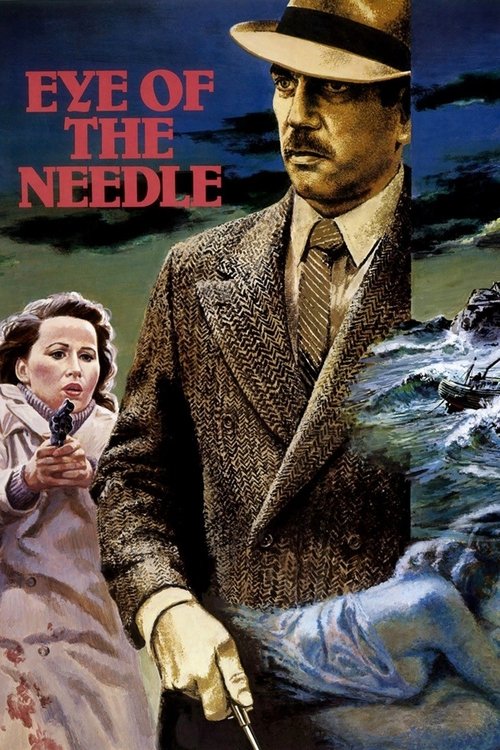
Eye of the Needle
Great Britain, 1944, during World War II. Relentlessly pursued by several MI5 agents, Henry Faber the Needle, a ruthless German spy in possession of vital information about D-Day, takes refuge on Storm Island, an inhospitable, sparsely inhabited island off the coast of northern Scotland.
The film earned $18.0M at the global box office.


Plot Structure
Story beats plotted across runtime


Narrative Arc
Emotional journey through the story's key moments
Story Circle
Blueprint 15-beat structure
Arcplot Score Breakdown
Weighted: Precision (70%) + Arc (15%) + Theme (15%)
Eye of the Needle (1981) demonstrates meticulously timed dramatic framework, characteristic of Richard Marquand's storytelling approach. This structural analysis examines how the film's 15-point plot structure maps to proven narrative frameworks across 1 hour and 48 minutes. With an Arcplot score of 6.8, the film balances conventional beats with creative variation.
Characters
Cast & narrative archetypes

Henry Faber (The Needle)

Lucy Rose
David Rose
Inspector Godliman
Main Cast & Characters
Henry Faber (The Needle)
Played by Donald Sutherland
A ruthless Nazi spy operating in England during WWII, known for his skill with a stiletto knife. Cold, methodical, and completely devoted to his mission.
Lucy Rose
Played by Kate Nelligan
A lonely woman trapped in a loveless marriage on a remote Scottish island. She becomes emotionally and romantically entangled with the spy.
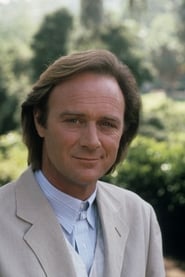
David Rose
Played by Christopher Cazenove
Lucy's husband, a bitter and disabled former RAF pilot confined to a wheelchair. His injury has left him emotionally distant and resentful.
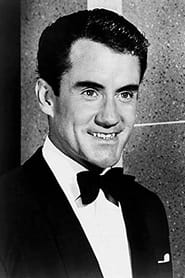
Inspector Godliman
Played by Ian Bannen
A British intelligence officer determined to track down and stop the German spy before he can relay crucial D-Day information.
Structural Analysis
The Status Quo at 1 minutes (1% through the runtime) establishes Henry Faber operates as an embedded German spy in wartime London, living a careful double life as a seemingly ordinary Englishman while gathering intelligence for the Reich.. Structural examination shows that this early placement immediately immerses viewers in the story world.
The inciting incident occurs at 13 minutes when Faber's landlady accidentally discovers evidence of his spy activities, forcing him to kill her with his stiletto. His careful cover is blown and he becomes a hunted man.. At 12% through the film, this Disruption aligns precisely with traditional story structure. This beat shifts the emotional landscape, launching the protagonist into the central conflict.
The First Threshold at 27 minutes marks the transition into Act II, occurring at 25% of the runtime. This demonstrates the protagonist's commitment to Faber photographs the fake army installations in East Anglia, discovering the Allied deception for D-Day. He now possesses information that could change the course of the war and must get it to Germany at any cost., moving from reaction to action.
At 54 minutes, the Midpoint arrives at 50% of the runtime—precisely centered, creating perfect narrative symmetry. The analysis reveals that this crucial beat Faber and Lucy consummate their affair. For the first time, the cold spy experiences genuine human connection and passion. This is a false victory—the intimacy that seems like refuge will become his undoing., fundamentally raising what's at risk. The emotional intensity shifts, dividing the narrative into clear before-and-after phases.
The Collapse moment at 81 minutes (75% through) represents the emotional nadir. Here, David discovers Faber's true identity and the photographs. Faber kills David and the shepherd Tom, revealing his true murderous nature to Lucy. Her romantic illusions shatter as she realizes she has been sleeping with a Nazi assassin., illustrates the protagonist at their lowest point. This beat's placement in the final quarter sets up the climactic reversal.
The Second Threshold at 86 minutes initiates the final act resolution at 80% of the runtime. Lucy resolves to stop Faber herself. Despite her terror and the intimacy they shared, she understands that she is the only one who can prevent him from reaching the submarine and delivering the intelligence that could doom the Allied invasion., demonstrating the transformation achieved throughout the journey.
Emotional Journey
Eye of the Needle's emotional architecture traces a deliberate progression across 15 carefully calibrated beats.
Narrative Framework
This structural analysis employs proven narrative structure principles that track dramatic progression. By mapping Eye of the Needle against these established plot points, we can identify how Richard Marquand utilizes or subverts traditional narrative conventions. The plot point approach reveals not only adherence to structural principles but also creative choices that distinguish Eye of the Needle within the drama genre.
Richard Marquand's Structural Approach
Among the 3 Richard Marquand films analyzed on Arcplot, the average structural score is 5.6, showcasing experimental approaches to narrative form. Eye of the Needle represents one of the director's most structurally precise works. For comparative analysis, explore the complete Richard Marquand filmography.
Comparative Analysis
Additional drama films include After Thomas, South Pacific and Dirty Dancing: Havana Nights. For more Richard Marquand analyses, see Jagged Edge, Star Wars: Episode VI - Return of the Jedi.
Plot Points by Act
Act I
SetupStatus Quo
Henry Faber operates as an embedded German spy in wartime London, living a careful double life as a seemingly ordinary Englishman while gathering intelligence for the Reich.
Theme
A fellow operative remarks on Faber's cold professionalism, noting that his greatest strength—emotional detachment—may also be his weakness, establishing the theme that intimacy is both weapon and vulnerability.
Worldbuilding
Faber's spy network and methods are established: his stiletto kills, his landlady cover, his radio transmissions to Germany. The stakes of the war and the Allied deception operation around D-Day are set up.
Disruption
Faber's landlady accidentally discovers evidence of his spy activities, forcing him to kill her with his stiletto. His careful cover is blown and he becomes a hunted man.
Resistance
Faber evades capture while continuing his mission. British Intelligence, led by Godliman, begins connecting murders to a German agent. Meanwhile, Lucy Rose's backstory is established—her marriage to David, his crippling car accident, their isolation on Storm Island.
Act II
ConfrontationFirst Threshold
Faber photographs the fake army installations in East Anglia, discovering the Allied deception for D-Day. He now possesses information that could change the course of the war and must get it to Germany at any cost.
Mirror World
Faber's boat crashes on Storm Island during his escape. Lucy Rose rescues him and brings him into her isolated home, introducing the relationship that will both complete and destroy him.
Premise
Faber recovers on Storm Island while waiting for his U-boat rendezvous. He becomes entangled with Lucy, whose marriage to the bitter, wheelchair-bound David has left her starved for intimacy. A dangerous attraction develops.
Midpoint
Faber and Lucy consummate their affair. For the first time, the cold spy experiences genuine human connection and passion. This is a false victory—the intimacy that seems like refuge will become his undoing.
Opposition
Godliman's investigation closes in as he identifies Faber and traces him toward Scotland. On the island, David grows suspicious of Faber. Lucy finds herself falling for the mysterious stranger while her husband's paranoia intensifies.
Collapse
David discovers Faber's true identity and the photographs. Faber kills David and the shepherd Tom, revealing his true murderous nature to Lucy. Her romantic illusions shatter as she realizes she has been sleeping with a Nazi assassin.
Crisis
Lucy is trapped on the island with a killer, her child in danger, her husband dead. She must process the horror of her situation while Faber prepares for the U-boat's arrival. The storm isolates them completely.
Act III
ResolutionSecond Threshold
Lucy resolves to stop Faber herself. Despite her terror and the intimacy they shared, she understands that she is the only one who can prevent him from reaching the submarine and delivering the intelligence that could doom the Allied invasion.
Synthesis
A deadly cat-and-mouse chase unfolds across Storm Island in the raging storm. Lucy uses her knowledge of the island and Faber's conflicted feelings for her as weapons. She destroys the radio, fights him physically, and pursues him to the cliffs.
Transformation
Lucy kills Faber with his own stiletto as he signals the U-boat from the clifftop. The spy who lived by emotional detachment dies because he hesitated—his connection to Lucy was real, and that humanity cost him everything. Lucy survives, transformed from lonely housewife to wartime heroine.