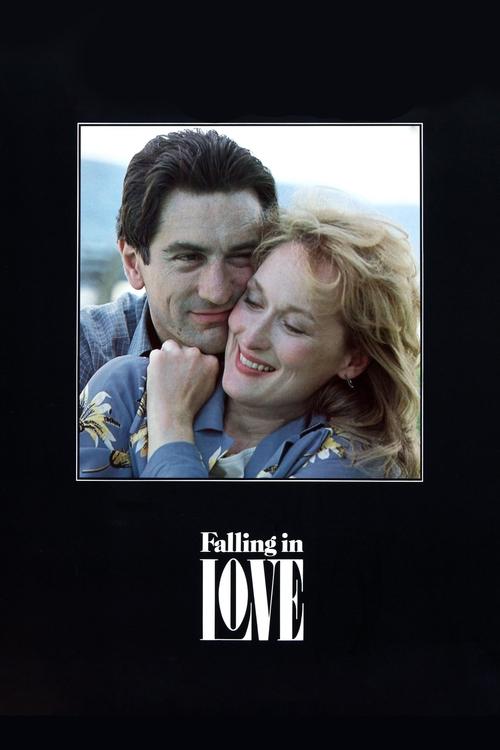
Falling in Love
During shopping for Christmas, Frank and Molly run into each other. This fleeting short moment will start to change their lives, when they recognize each other months later in the train home and have a good time together. Although both are married and Frank has two little kids, they meet more and more often, their friendship becoming the most precious thing in their lives.
The film disappointed at the box office against its limited budget of $12.0M, earning $11.1M globally (-7% loss).
2 wins & 3 nominations


Plot Structure
Story beats plotted across runtime


Narrative Arc
Emotional journey through the story's key moments
Story Circle
Blueprint 15-beat structure
Arcplot Score Breakdown
Weighted: Precision (70%) + Arc (15%) + Theme (15%)
Falling in Love (1984) exhibits strategically placed dramatic framework, characteristic of Ulu Grosbard's storytelling approach. This structural analysis examines how the film's 15-point plot structure maps to proven narrative frameworks across 1 hour and 46 minutes. With an Arcplot score of 7.4, the film balances conventional beats with creative variation.
Characters
Cast & narrative archetypes

Frank Raftis
Molly Gilmore
Brian Gilmore
Isabella Raftis
Main Cast & Characters
Frank Raftis
Played by Robert De Niro
A married architect who unexpectedly falls in love with a stranger he meets by chance on his daily commute.
Molly Gilmore
Played by Meryl Streep
A married graphic designer who forms a deep emotional connection with Frank despite both being committed to other people.
Brian Gilmore
Played by David Clennon
Molly's husband, a doctor who is unaware of his wife's emotional affair.
Isabella Raftis
Played by Jane Kaczmarek
Frank's wife who maintains their suburban life and family routine.
Structural Analysis
The Status Quo at 2 minutes (2% through the runtime) establishes Frank and Molly in their separate, comfortable but passionless marriages, going through daily routines in suburban life.. Of particular interest, this early placement immediately immerses viewers in the story world.
The inciting incident occurs at 12 minutes when Frank and Molly literally collide in a crowded bookstore during Christmas shopping, their packages spilling everywhere. First meaningful encounter.. At 11% through the film, this Disruption aligns precisely with traditional story structure. This beat shifts the emotional landscape, launching the protagonist into the central conflict.
The First Threshold at 26 minutes marks the transition into Act II, occurring at 25% of the runtime. This shows the protagonist's commitment to Frank and Molly actively choose to meet for lunch, crossing from accidental encounters into deliberate time together. A conscious decision to pursue the connection., moving from reaction to action.
At 52 minutes, the Midpoint arrives at 49% of the runtime—precisely centered, creating perfect narrative symmetry. Structural examination shows that this crucial beat They kiss for the first time, crossing a line. What seems like a victory is actually a false high—guilt and consequences immediately follow. Stakes are raised., fundamentally raising what's at risk. The emotional intensity shifts, dividing the narrative into clear before-and-after phases.
The Collapse moment at 78 minutes (74% through) represents the emotional nadir. Here, Frank and Molly decide to end it completely. They say goodbye, believing they must return to their marriages. The death of their relationship and their hope., demonstrates the protagonist at their lowest point. This beat's placement in the final quarter sets up the climactic reversal.
The Second Threshold at 84 minutes initiates the final act resolution at 79% of the runtime. Frank and Molly separately realize they cannot live a lie. They choose honesty and authentic love over comfortable pretense. They must find each other., demonstrating the transformation achieved throughout the journey.
Emotional Journey
Falling in Love's emotional architecture traces a deliberate progression across 15 carefully calibrated beats.
Narrative Framework
This structural analysis employs proven narrative structure principles that track dramatic progression. By mapping Falling in Love against these established plot points, we can identify how Ulu Grosbard utilizes or subverts traditional narrative conventions. The plot point approach reveals not only adherence to structural principles but also creative choices that distinguish Falling in Love within the drama genre.
Ulu Grosbard's Structural Approach
Among the 3 Ulu Grosbard films analyzed on Arcplot, the average structural score is 7.3, reflecting strong command of classical structure. Falling in Love represents one of the director's most structurally precise works. For comparative analysis, explore the complete Ulu Grosbard filmography.
Comparative Analysis
Additional drama films include After Thomas, South Pacific and Dirty Dancing: Havana Nights. For more Ulu Grosbard analyses, see Straight Time, The Deep End of the Ocean.
Plot Points by Act
Act I
SetupStatus Quo
Frank and Molly in their separate, comfortable but passionless marriages, going through daily routines in suburban life.
Theme
A friend mentions how people can meet by chance and how life can change unexpectedly, foreshadowing the central question: can you choose who you love?
Worldbuilding
Establishment of Frank's and Molly's parallel lives: their marriages, jobs, commutes, and the Christmas shopping season that brings them both to the city.
Disruption
Frank and Molly literally collide in a crowded bookstore during Christmas shopping, their packages spilling everywhere. First meaningful encounter.
Resistance
A series of chance meetings on the commuter train. Frank and Molly are drawn to each other but resist, aware of their marriages. Tentative friendship develops.
Act II
ConfrontationFirst Threshold
Frank and Molly actively choose to meet for lunch, crossing from accidental encounters into deliberate time together. A conscious decision to pursue the connection.
Mirror World
Their deepening friendship becomes a mirror reflecting what's missing in their marriages. They share intimate conversations about dreams, disappointments, and desires.
Premise
The promise of the premise: the excitement and danger of their growing emotional affair. Meetings, conversations, near-kisses, and the thrill of connection.
Midpoint
They kiss for the first time, crossing a line. What seems like a victory is actually a false high—guilt and consequences immediately follow. Stakes are raised.
Opposition
Guilt intensifies. Their spouses sense something is wrong. Frank and Molly try to end the relationship multiple times but are drawn back together. Internal and external pressure mounts.
Collapse
Frank and Molly decide to end it completely. They say goodbye, believing they must return to their marriages. The death of their relationship and their hope.
Crisis
Both return to their separate lives, attempting to make their marriages work. Dark night of emotional emptiness, realizing what they've lost and what was never there.
Act III
ResolutionSecond Threshold
Frank and Molly separately realize they cannot live a lie. They choose honesty and authentic love over comfortable pretense. They must find each other.
Synthesis
They navigate separations from their spouses and search for each other, bringing together courage and honesty learned through the journey. The resolution of their love story.
Transformation
Frank and Molly reunite, now free and honest. The final image mirrors the opening but shows transformation: no longer trapped in routines, they've chosen authentic love.