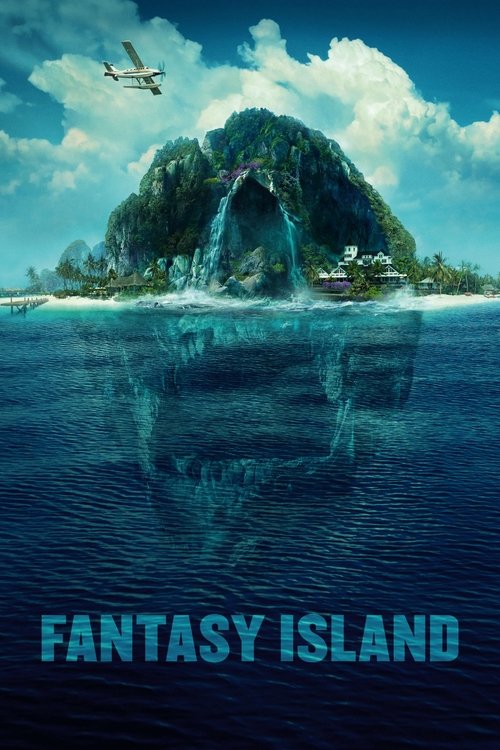
Fantasy Island
A group of contest winners arrive at an island hotel to live out their dreams, only to find themselves trapped in nightmare scenarios.
Despite its limited budget of $7.0M, Fantasy Island became a massive hit, earning $49.5M worldwide—a remarkable 607% return. The film's unique voice resonated with audiences, showing that strong storytelling can transcend budget limitations.


Plot Structure
Story beats plotted across runtime


Narrative Arc
Emotional journey through the story's key moments
Story Circle
Blueprint 15-beat structure
Arcplot Score Breakdown
Weighted: Precision (70%) + Arc (15%) + Theme (15%)
Fantasy Island (2020) showcases meticulously timed story structure, characteristic of Jeff Wadlow's storytelling approach. This structural analysis examines how the film's 15-point plot structure maps to proven narrative frameworks across 1 hour and 49 minutes. With an Arcplot score of 7.2, the film balances conventional beats with creative variation.
Characters
Cast & narrative archetypes

Melanie Cole
Gwen Olsen
Patrick Sullivan
Brax
JD Weaver
Mr. Roarke
Julia
Sloane Maddison
Damon
Main Cast & Characters
Melanie Cole
Played by Lucy Hale
A troubled woman seeking to confront her childhood bully on the mysterious island.
Gwen Olsen
Played by Maggie Q
A woman who wishes to have a second chance with her deceased fiancé.
Patrick Sullivan
Played by Austin Stowell
A young man seeking to live out his military fantasy and honor his late father.
Brax
Played by Jimmy O. Yang
A party-loving man who wants the ultimate party experience with his brother.
JD Weaver
Played by Ryan Hansen
Brax's stepbrother who joins him in seeking the ultimate party fantasy.
Mr. Roarke
Played by Michael Peña
The enigmatic host of Fantasy Island who grants guests their deepest fantasies with hidden consequences.
Julia
Played by Parisa Fitz-Henley
Mr. Roarke's mysterious assistant who helps facilitate the guests' fantasies.
Sloane Maddison
Played by Portia Doubleday
Melanie's childhood bully who appears as part of her revenge fantasy.
Damon
Played by Michael Rooker
A former soldier who has been trapped on the island and helps the guests uncover its secrets.
Structural Analysis
The Status Quo at 1 minutes (1% through the runtime) establishes Contest winners arrive at the luxurious Fantasy Island resort via seaplane, excited and hopeful about their dream fantasies coming true. Establishing their ordinary desires and personalities before everything goes wrong.. Structural examination shows that this early placement immediately immerses viewers in the story world.
The inciting incident occurs at 12 minutes when The fantasies begin but quickly take disturbing turns. Melanie's revenge fantasy becomes too real and violent; the brothers discover their party mansion contains dangerous elements; Patrick finds himself in actual combat; Gwen's fantasy fiancé seems too perfect. The fantasies are not what they expected.. At 11% through the film, this Disruption aligns precisely with traditional story structure. This beat shifts the emotional landscape, launching the protagonist into the central conflict.
The First Threshold at 26 minutes marks the transition into Act II, occurring at 24% of the runtime. This demonstrates the protagonist's commitment to The guests realize they cannot leave or stop their fantasies. Melanie chooses to continue torturing her bully despite moral reservations; Patrick commits to the combat mission; the brothers embrace the hedonistic lifestyle; Gwen pursues her perfect life. They actively choose to stay in the fantasies despite red flags., moving from reaction to action.
At 52 minutes, the Midpoint arrives at 48% of the runtime—precisely centered, creating perfect narrative symmetry. Of particular interest, this crucial beat Major revelation: The fantasies are interconnected, and the guests' pasts are linked to a shared traumatic event - a nightclub fire. False defeat as they realize they're not random winners but specifically chosen. The stakes raise dramatically as the true nature of their presence is revealed., fundamentally raising what's at risk. The emotional intensity shifts, dividing the narrative into clear before-and-after phases.
The Collapse moment at 78 minutes (71% through) represents the emotional nadir. Here, Patrick is mortally wounded in combat. Gwen's fantasy family is revealed to be a lie built on guilt over a real daughter who died in the fire. The brothers face execution. Melanie discovers her bully was innocent and she's become the monster. The "whiff of death" - literal deaths and death of illusions., reveals the protagonist at their lowest point. This beat's placement in the final quarter sets up the climactic reversal.
The Second Threshold at 83 minutes initiates the final act resolution at 76% of the runtime. The guests discover the island's water source - a mystical spring that grants wishes but corrupts them. Synthesis: They realize they must work together and use the island's power against itself. They unite to confront the true orchestrator and understand that accepting truth rather than fantasy is the key to escape., demonstrating the transformation achieved throughout the journey.
Emotional Journey
Fantasy Island's emotional architecture traces a deliberate progression across 15 carefully calibrated beats.
Narrative Framework
This structural analysis employs a 15-point narrative structure framework that maps key story moments. By mapping Fantasy Island against these established plot points, we can identify how Jeff Wadlow utilizes or subverts traditional narrative conventions. The plot point approach reveals not only adherence to structural principles but also creative choices that distinguish Fantasy Island within the adventure genre.
Jeff Wadlow's Structural Approach
Among the 6 Jeff Wadlow films analyzed on Arcplot, the average structural score is 7.3, reflecting strong command of classical structure. Fantasy Island takes a more unconventional approach compared to the director's typical style. For comparative analysis, explore the complete Jeff Wadlow filmography.
Comparative Analysis
Additional adventure films include The Black Stallion, The Bad Guys and Puss in Boots. For more Jeff Wadlow analyses, see Truth or Dare, Never Back Down and Kick-Ass 2.
Plot Points by Act
Act I
SetupStatus Quo
Contest winners arrive at the luxurious Fantasy Island resort via seaplane, excited and hopeful about their dream fantasies coming true. Establishing their ordinary desires and personalities before everything goes wrong.
Theme
Mr. Roarke warns the guests: "The fantasy must play out to its natural conclusion." Theme of consequences and facing the truth behind our desires is established.
Worldbuilding
Introduction of all guests and their chosen fantasies: Melanie wants revenge on her high school bully, brothers Brax and J.D. want to "have it all," Patrick wants to be a soldier like his late father, and Gwen wants a do-over with her rejected marriage proposal. The island's rules and mysterious nature are established.
Disruption
The fantasies begin but quickly take disturbing turns. Melanie's revenge fantasy becomes too real and violent; the brothers discover their party mansion contains dangerous elements; Patrick finds himself in actual combat; Gwen's fantasy fiancé seems too perfect. The fantasies are not what they expected.
Resistance
Guests attempt to understand and control their fantasies. They debate whether to continue or stop. Mr. Roarke and his assistant Julia provide cryptic guidance. The guests try to navigate the increasingly dangerous scenarios while learning the island's magic has dark rules.
Act II
ConfrontationFirst Threshold
The guests realize they cannot leave or stop their fantasies. Melanie chooses to continue torturing her bully despite moral reservations; Patrick commits to the combat mission; the brothers embrace the hedonistic lifestyle; Gwen pursues her perfect life. They actively choose to stay in the fantasies despite red flags.
Mirror World
Julia, Mr. Roarke's assistant, begins revealing deeper truths about the island. She represents the thematic mirror - someone who understands the island's true nature and the price of fantasies. Her past connection to the island hints at larger mysteries.
Premise
The "promise of the premise" - experiencing twisted fantasy fulfillment. Each guest explores their fantasy world: Melanie escalates her revenge, Patrick bonds with his squad, the brothers enjoy excess, Gwen lives her dream marriage and family. The horror-fantasy hybrid delivers its core entertainment as fantasies become nightmarish.
Midpoint
Major revelation: The fantasies are interconnected, and the guests' pasts are linked to a shared traumatic event - a nightclub fire. False defeat as they realize they're not random winners but specifically chosen. The stakes raise dramatically as the true nature of their presence is revealed.
Opposition
The fantasies turn fully hostile. Guests are hunted and tortured by their own creations. The island's dark magic intensifies. They discover the nightclub fire connection and that someone is orchestrating revenge against them. Supernatural forces and mercenaries close in. Separation of the group makes them vulnerable.
Collapse
Patrick is mortally wounded in combat. Gwen's fantasy family is revealed to be a lie built on guilt over a real daughter who died in the fire. The brothers face execution. Melanie discovers her bully was innocent and she's become the monster. The "whiff of death" - literal deaths and death of illusions.
Crisis
Dark night of the soul as surviving guests process their guilt and the consequences of their fantasies. They're trapped, separated, and hopeless. The revelation that the island feeds on regret and pain. They must confront who they really are versus who they wanted to be.
Act III
ResolutionSecond Threshold
The guests discover the island's water source - a mystical spring that grants wishes but corrupts them. Synthesis: They realize they must work together and use the island's power against itself. They unite to confront the true orchestrator and understand that accepting truth rather than fantasy is the key to escape.
Synthesis
Final confrontation at the island's source. Revelation that one guest orchestrated everything for revenge. Battle against corrupted fantasies and the island's guardian. Guests must sacrifice their fantasies and face their guilt to break the curse. Mr. Roarke's true nature and motivations revealed. Climactic action sequence.
Transformation
Survivors escape the island but forever changed by confronting the darkness of their desires. The closing image mirrors the opening but shows their transformation - they are wiser, scarred, and have accepted harsh truths about themselves. The island remains, waiting for new guests. Ambiguous ending suggests the cycle continues.