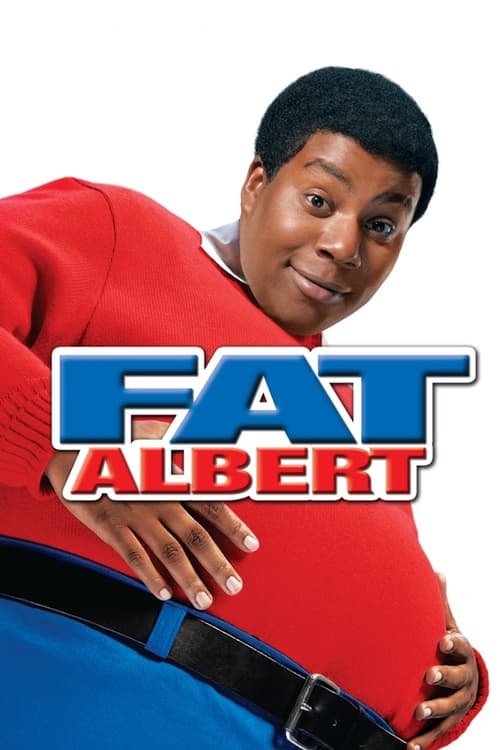
Fat Albert
Animated character Fat Albert emerges from his TV universe into the real world, accompanied by his friends Rudy, Mushmouth, Old Weird Harold and Dumb Donald. Though the gang is flabbergasted by the modern world, they make new friends, and Albert attempts to help young Doris become popular. But things get complicated when Albert falls for her older sister, Lauri, and must turn to creator Bill Cosby for advice.
Working with a mid-range budget of $45.0M, the film achieved a steady performer with $48.6M in global revenue (+8% profit margin).


Plot Structure
Story beats plotted across runtime


Narrative Arc
Emotional journey through the story's key moments
Story Circle
Blueprint 15-beat structure
Arcplot Score Breakdown
Weighted: Precision (70%) + Arc (15%) + Theme (15%)
Fat Albert (2004) showcases strategically placed narrative design, characteristic of Joel Zwick's storytelling approach. This structural analysis examines how the film's 15-point plot structure maps to proven narrative frameworks across 1 hour and 33 minutes. With an Arcplot score of 7.3, the film balances conventional beats with creative variation.
Characters
Cast & narrative archetypes

Fat Albert
Doris Robertson
Lauri Robertson
Dumb Donald
Mushmouth
Rudy
Bill Cosby
Weird Harold
Main Cast & Characters
Fat Albert
Played by Kenan Thompson
The jovial leader of the Cosby Kids who enters the real world to help a lonely teenage girl find friendship and confidence.
Doris Robertson
Played by Kyla Pratt
A lonely, insecure teenager struggling to fit in at school who becomes friends with the animated Cosby Kids.
Lauri Robertson
Played by Dania Ramirez
Doris's popular older sister who is self-absorbed and initially dismissive of Doris's struggles.
Dumb Donald
Played by Marques Houston
One of the Cosby Kids, known for wearing a stocking cap over his face and being sweet-natured despite his nickname.
Mushmouth
Played by Jermaine Williams
A Cosby Kid with a distinctive speech pattern who adds 'b' sounds to his words.
Rudy
Played by Shedrack Anderson III
The smallest member of the Cosby Kids gang, energetic and loyal to his friends.
Bill Cosby
Played by Bill Cosby
The creator of Fat Albert who appears as himself, bridging the animated and real worlds.
Weird Harold
Played by Aaron Frazier
A tall, lanky member of the Cosby Kids known for his awkwardness and good heart.
Structural Analysis
The Status Quo at 1 minutes (1% through the runtime) establishes Opening in the animated world: Fat Albert and the Cosby Kids are in their junkyard clubhouse, living their familiar cartoon existence, helping kids with problems through their TV show.. Of particular interest, this early placement immediately immerses viewers in the story world.
The inciting incident occurs at 11 minutes when Doris cries while watching Fat Albert, and her tears somehow create a portal. Fat Albert hears her sadness through the TV and decides they need to help her, breaking the boundary between cartoon and reality.. At 12% through the film, this Disruption aligns precisely with traditional story structure. This beat shifts the emotional landscape, launching the protagonist into the central conflict.
The First Threshold at 23 minutes marks the transition into Act II, occurring at 24% of the runtime. This reveals the protagonist's commitment to Fat Albert and his friends fully materialize in the real world and make the active choice to stay and help Doris, despite not knowing how to get back. They commit to their mission., moving from reaction to action.
At 47 minutes, the Midpoint arrives at 51% of the runtime—precisely centered, creating perfect narrative symmetry. Notably, this crucial beat False victory: Doris successfully becomes popular and confident at school. She's invited to the cool kids' party. Everything seems to be working perfectly, but she begins to lose sight of who she really is., fundamentally raising what's at risk. The emotional intensity shifts, dividing the narrative into clear before-and-after phases.
The Collapse moment at 69 minutes (74% through) represents the emotional nadir. Here, Dumb Donald collapses and nearly disappears completely. The gang faces mortality - they're literally dying in the real world. Fat Albert realizes they must return to their world or they'll cease to exist., demonstrates the protagonist at their lowest point. This beat's placement in the final quarter sets up the climactic reversal.
The Second Threshold at 74 minutes initiates the final act resolution at 80% of the runtime. Doris realizes that being true to yourself is more important than popularity. Fat Albert understands that real help means empowering others, not doing everything for them. They both achieve clarity and synthesis of lessons learned., demonstrating the transformation achieved throughout the journey.
Emotional Journey
Fat Albert's emotional architecture traces a deliberate progression across 15 carefully calibrated beats.
Narrative Framework
This structural analysis employs proven narrative structure principles that track dramatic progression. By mapping Fat Albert against these established plot points, we can identify how Joel Zwick utilizes or subverts traditional narrative conventions. The plot point approach reveals not only adherence to structural principles but also creative choices that distinguish Fat Albert within the comedy genre.
Joel Zwick's Structural Approach
Among the 2 Joel Zwick films analyzed on Arcplot, the average structural score is 7.3, reflecting strong command of classical structure. Fat Albert exemplifies the director's characteristic narrative technique. For comparative analysis, explore the complete Joel Zwick filmography.
Comparative Analysis
Additional comedy films include The Bad Guys, Ella Enchanted and The Evening Star. For more Joel Zwick analyses, see My Big Fat Greek Wedding.
Plot Points by Act
Act I
SetupStatus Quo
Opening in the animated world: Fat Albert and the Cosby Kids are in their junkyard clubhouse, living their familiar cartoon existence, helping kids with problems through their TV show.
Theme
Bill Cosby (as himself) reflects on how helping others and being true to yourself is what really matters. The theme of authenticity versus facade is established.
Worldbuilding
Introduction to both worlds: the animated Cosby Kids world and the real world where lonely teenager Doris struggles with her foster sister Lauri's popularity and her own social isolation. Doris watches the Fat Albert show for comfort.
Disruption
Doris cries while watching Fat Albert, and her tears somehow create a portal. Fat Albert hears her sadness through the TV and decides they need to help her, breaking the boundary between cartoon and reality.
Resistance
Fat Albert and the gang debate whether they can actually leave their cartoon world. They attempt the journey, discovering they can enter the real world but struggle to understand how it works (three dimensions, real consequences, etc.).
Act II
ConfrontationFirst Threshold
Fat Albert and his friends fully materialize in the real world and make the active choice to stay and help Doris, despite not knowing how to get back. They commit to their mission.
Mirror World
Doris begins to open up to Fat Albert about her loneliness and insecurities. Their friendship represents the thematic mirror: she needs to learn authenticity while he will learn about real-world consequences.
Premise
The fun and games: Fat Albert and the gang help Doris gain confidence, throw a party, and navigate high school social dynamics. Doris starts becoming popular. The gang experiences real-world pleasures and complications.
Midpoint
False victory: Doris successfully becomes popular and confident at school. She's invited to the cool kids' party. Everything seems to be working perfectly, but she begins to lose sight of who she really is.
Opposition
Things get worse: The gang discovers they're becoming transparent and fading as they stay in the real world. Doris becomes shallow and abandons her true self for popularity. The gang realizes they're in real danger and may cease to exist.
Collapse
Dumb Donald collapses and nearly disappears completely. The gang faces mortality - they're literally dying in the real world. Fat Albert realizes they must return to their world or they'll cease to exist.
Crisis
Dark night: Fat Albert must choose between staying to help Doris (and dying) or returning home. Doris realizes she's been shallow and fake, losing herself. Both protagonist and mirror character face their lowest emotional points.
Act III
ResolutionSecond Threshold
Doris realizes that being true to yourself is more important than popularity. Fat Albert understands that real help means empowering others, not doing everything for them. They both achieve clarity and synthesis of lessons learned.
Synthesis
The finale: Doris helps the gang find their way back to their world while standing up for herself authentically at school. Fat Albert and friends return to the cartoon world just in time, saved by choosing truth over comfort.
Transformation
Closing image mirrors the opening: Fat Albert and the gang are back in their animated world, but now Doris watches them with genuine confidence and self-acceptance. Both worlds are restored, transformed by authentic connection.