
Father Goose
During World War II South Sea beachcomber Walter Eckland is persuaded to spy on planes passing over his island. He gets more than he bargained for as schoolteacher Catherine Frenau arrives on the run from the Japanese with her pupils in tow!
The film earned $12.5M at the global box office.


Plot Structure
Story beats plotted across runtime


Narrative Arc
Emotional journey through the story's key moments
Story Circle
Blueprint 15-beat structure
Arcplot Score Breakdown
Weighted: Precision (70%) + Arc (15%) + Theme (15%)
Father Goose (1964) demonstrates precise dramatic framework, characteristic of Ralph Nelson's storytelling approach. This structural analysis examines how the film's 15-point plot structure maps to proven narrative frameworks across 1 hour and 58 minutes. With an Arcplot score of 6.8, the film balances conventional beats with creative variation.
Characters
Cast & narrative archetypes

Walter Eckland

Catherine Freneau
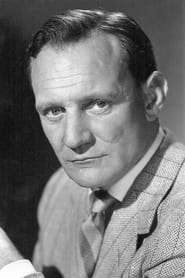
Commander Frank Houghton
Main Cast & Characters
Walter Eckland
Played by Cary Grant
A disheveled, alcoholic beach bum in the South Pacific who is coerced into serving as a coast watcher during WWII. Transforms from cynical loner to responsible protector.
Catherine Freneau
Played by Leslie Caron
A proper French schoolteacher stranded with seven schoolgirls who clashes with and ultimately falls for the reluctant Walter. Principled, organized, and determined.
Commander Frank Houghton
Played by Trevor Howard
Royal Australian Navy officer who blackmails Walter into coast watching duty. Represents authority and the demands of wartime duty.
Structural Analysis
The Status Quo at 1 minutes (1% through the runtime) establishes Walter Eckland is a drunken, disheveled beach bum living in isolated bliss on a South Pacific island, avoiding civilization and responsibility during WWII.. Structural examination shows that this early placement immediately immerses viewers in the story world.
The inciting incident occurs at 15 minutes when Commander Houghton blackmails Walter by confiscating his whiskey and boat, forcing him to become a coast watcher on a remote island to spot Japanese planes.. At 12% through the film, this Disruption aligns precisely with traditional story structure. This beat shifts the emotional landscape, launching the protagonist into the central conflict.
The First Threshold at 30 minutes marks the transition into Act II, occurring at 25% of the runtime. This reveals the protagonist's commitment to Walter agrees to rescue Catherine Freneau and her seven schoolgirl charges from a neighboring island, irreversibly committing himself to responsibility for others., moving from reaction to action.
At 59 minutes, the Midpoint arrives at 50% of the runtime—precisely centered, creating perfect narrative symmetry. Of particular interest, this crucial beat Walter and Catherine share their first kiss and admit their feelings for each other, transforming their antagonistic relationship into romance - a false victory as danger approaches., fundamentally raising what's at risk. The emotional intensity shifts, dividing the narrative into clear before-and-after phases.
The Collapse moment at 89 minutes (76% through) represents the emotional nadir. Here, Japanese troops land on the island, destroying Walter's radio equipment and forcing the group to hide in caves; their world collapses as capture or death seems imminent., reveals the protagonist at their lowest point. This beat's placement in the final quarter sets up the climactic reversal.
The Second Threshold at 95 minutes initiates the final act resolution at 80% of the runtime. Walter devises a plan to signal Allied forces using improvised means, fully committing to heroism and responsibility - synthesizing his resourcefulness with his newfound sense of duty., demonstrating the transformation achieved throughout the journey.
Emotional Journey
Father Goose's emotional architecture traces a deliberate progression across 15 carefully calibrated beats.
Narrative Framework
This structural analysis employs systematic plot point analysis that identifies crucial turning points. By mapping Father Goose against these established plot points, we can identify how Ralph Nelson utilizes or subverts traditional narrative conventions. The plot point approach reveals not only adherence to structural principles but also creative choices that distinguish Father Goose within the adventure genre.
Ralph Nelson's Structural Approach
Among the 2 Ralph Nelson films analyzed on Arcplot, the average structural score is 7.1, reflecting strong command of classical structure. Father Goose takes a more unconventional approach compared to the director's typical style. For comparative analysis, explore the complete Ralph Nelson filmography.
Comparative Analysis
Additional adventure films include The Black Stallion, The Bad Guys and Puss in Boots. For more Ralph Nelson analyses, see Lilies of the Field.
Plot Points by Act
Act I
SetupStatus Quo
Walter Eckland is a drunken, disheveled beach bum living in isolated bliss on a South Pacific island, avoiding civilization and responsibility during WWII.
Theme
Commander Houghton tells Walter that sometimes a man has to do what he doesn't want to do - suggesting the theme of duty versus desire, and growth through unwanted responsibility.
Worldbuilding
Establishment of WWII Pacific theater, Walter's hermit lifestyle, his relationship with Commander Houghton, and the coast-watching operation that will draw him in.
Disruption
Commander Houghton blackmails Walter by confiscating his whiskey and boat, forcing him to become a coast watcher on a remote island to spot Japanese planes.
Resistance
Walter reluctantly sets up his coast-watching station, complaining and resisting his duty while learning the radio protocols and settling into his isolated post.
Act II
ConfrontationFirst Threshold
Walter agrees to rescue Catherine Freneau and her seven schoolgirl charges from a neighboring island, irreversibly committing himself to responsibility for others.
Mirror World
Catherine and the girls arrive on Walter's island - prim, proper Catherine representing everything Walter has been avoiding: order, responsibility, domesticity, and emotional connection.
Premise
The comic clash between Walter's slovenly bachelorhood and Catherine's civilizing influence as they bicker, argue, and gradually develop respect and attraction while caring for the children.
Midpoint
Walter and Catherine share their first kiss and admit their feelings for each other, transforming their antagonistic relationship into romance - a false victory as danger approaches.
Opposition
Japanese forces close in on the island, forcing Walter to protect Catherine and the girls while maintaining his coast-watching duties; external danger intensifies as internal intimacy grows.
Collapse
Japanese troops land on the island, destroying Walter's radio equipment and forcing the group to hide in caves; their world collapses as capture or death seems imminent.
Crisis
Trapped and hunted, Walter must confront whether he'll revert to self-preservation or fully embrace his role as protector and partner; Catherine questions if they'll survive to build a future.
Act III
ResolutionSecond Threshold
Walter devises a plan to signal Allied forces using improvised means, fully committing to heroism and responsibility - synthesizing his resourcefulness with his newfound sense of duty.
Synthesis
Walter executes the rescue plan, evading Japanese soldiers and successfully signaling Allied ships; the group is rescued and Walter proves himself a hero and worthy partner.
Transformation
Walter, now clean-shaven and in uniform, marries Catherine aboard the naval vessel, surrounded by the girls - transformed from isolated drunk to responsible husband and father figure.