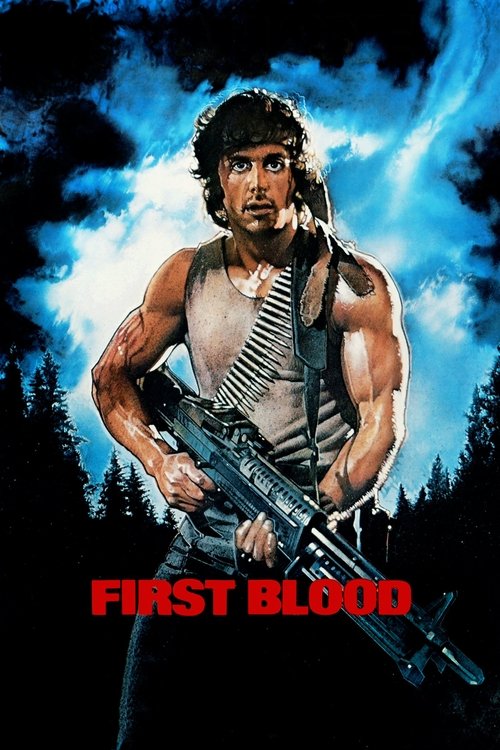
First Blood
When former Green Beret John Rambo is harassed by local law enforcement and arrested for vagrancy, he is forced to flee into the mountains and wage an escalating one-man war against his pursuers.
Despite a mid-range budget of $15.0M, First Blood became a commercial juggernaut, earning $125.2M worldwide—a remarkable 735% return.
1 win & 4 nominations


Plot Structure
Story beats plotted across runtime


Narrative Arc
Emotional journey through the story's key moments
Story Circle
Blueprint 15-beat structure
Arcplot Score Breakdown
Weighted: Precision (70%) + Arc (15%) + Theme (15%)
First Blood (1982) showcases meticulously timed narrative architecture, characteristic of Ted Kotcheff's storytelling approach. This structural analysis examines how the film's 15-point plot structure maps to proven narrative frameworks across 1 hour and 33 minutes. With an Arcplot score of 7.1, the film balances conventional beats with creative variation.
Characters
Cast & narrative archetypes
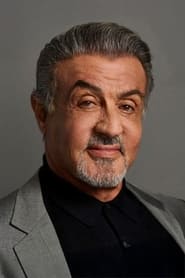
John Rambo
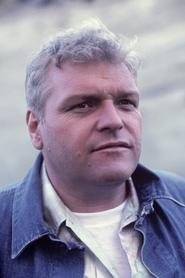
Sheriff Will Teasle
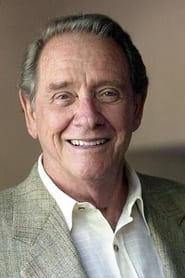
Colonel Sam Trautman
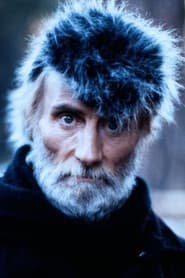
Deputy Galt
Main Cast & Characters
John Rambo
Played by Sylvester Stallone
A traumatized Vietnam War veteran pushed to his breaking point by small-town harassment, transforming from drifter to one-man army.
Sheriff Will Teasle
Played by Brian Dennehy
The authoritarian small-town sheriff whose pride and territorial nature escalate a minor confrontation into a deadly war.
Colonel Sam Trautman
Played by Richard Crenna
Rambo's former commanding officer and mentor who tries to prevent catastrophe by reasoning with both sides.
Deputy Galt
Played by Jack Starrett
The sadistic deputy whose abuse of Rambo triggers the violent escalation and pays the ultimate price.
Structural Analysis
The Status Quo at 1 minutes (1% through the runtime) establishes Rambo walks alone through the wilderness to visit his old Vietnam War buddy, showing a drifter seeking connection in a peaceful rural setting.. Significantly, this early placement immediately immerses viewers in the story world.
The inciting incident occurs at 11 minutes when Teasle arrests Rambo for resisting orders to leave town, taking him to the police station where he will be processed and humiliated.. At 12% through the film, this Disruption aligns precisely with traditional story structure. This beat shifts the emotional landscape, launching the protagonist into the central conflict.
The First Threshold at 22 minutes marks the transition into Act II, occurring at 24% of the runtime. This reveals the protagonist's commitment to Rambo breaks free from the deputies, fights his way out of the station, steals a motorcycle, and escapes into the wilderness—actively choosing to run rather than submit to injustice., moving from reaction to action.
At 47 minutes, the Midpoint arrives at 50% of the runtime—precisely centered, creating perfect narrative symmetry. Notably, this crucial beat A state police helicopter hunt goes wrong—Rambo is forced to throw a deputy to his death and bring down the helicopter with a rock. Stakes raise dramatically: a man is dead, and the National Guard is called in. No going back., fundamentally raising what's at risk. The emotional intensity shifts, dividing the narrative into clear before-and-after phases.
The Collapse moment at 70 minutes (75% through) represents the emotional nadir. Here, Rambo is presumed dead in the mine collapse caused by the rocket attack. Teasle believes he has won. Symbolically, the "old Rambo" who tried to walk away peacefully has died—only the warrior remains., reveals the protagonist at their lowest point. This beat's placement in the final quarter sets up the climactic reversal.
The Second Threshold at 75 minutes initiates the final act resolution at 80% of the runtime. Rambo enters the town and begins systematically destroying it—blowing up a gas station, shooting out windows, creating chaos. He has synthesized his training with his rage, becoming the enemy combatant in his own country., demonstrating the transformation achieved throughout the journey.
Emotional Journey
First Blood's emotional architecture traces a deliberate progression across 15 carefully calibrated beats.
Narrative Framework
This structural analysis employs a 15-point narrative structure framework that maps key story moments. By mapping First Blood against these established plot points, we can identify how Ted Kotcheff utilizes or subverts traditional narrative conventions. The plot point approach reveals not only adherence to structural principles but also creative choices that distinguish First Blood within the action genre.
Ted Kotcheff's Structural Approach
Among the 6 Ted Kotcheff films analyzed on Arcplot, the average structural score is 7.2, reflecting strong command of classical structure. First Blood takes a more unconventional approach compared to the director's typical style. For comparative analysis, explore the complete Ted Kotcheff filmography.
Comparative Analysis
Additional action films include The Bad Guys, Puss in Boots and Venom: The Last Dance. For more Ted Kotcheff analyses, see Fun with Dick and Jane, Folks! and Uncommon Valor.
Plot Points by Act
Act I
SetupStatus Quo
Rambo walks alone through the wilderness to visit his old Vietnam War buddy, showing a drifter seeking connection in a peaceful rural setting.
Theme
Sheriff Teasle tells Rambo "Wearing that flag on that jacket, looking the way you do... you're asking for trouble." The theme: how society treats veterans and outcasts, and whether violence begets violence.
Worldbuilding
Rambo learns his last surviving war buddy has died from cancer. He walks into Hope, Washington, seeking a meal but is repeatedly harassed and escorted out of town by Sheriff Teasle, who sees him as an unwanted vagrant.
Disruption
Teasle arrests Rambo for resisting orders to leave town, taking him to the police station where he will be processed and humiliated.
Resistance
At the station, deputies brutalize and mock Rambo. Flashbacks to his torture as a POW trigger a violent PTSD episode. He debates whether to submit or fight back, ultimately choosing survival.
Act II
ConfrontationFirst Threshold
Rambo breaks free from the deputies, fights his way out of the station, steals a motorcycle, and escapes into the wilderness—actively choosing to run rather than submit to injustice.
Mirror World
Colonel Trautman arrives and tries to warn Teasle that Rambo is a highly trained Special Forces soldier who could kill them all. Trautman represents the mentor/mirror who understands what Rambo has become.
Premise
Rambo uses his survival and combat skills to evade and disable the posse hunting him in the forest. He sets traps, uses guerrilla tactics, and injures multiple deputies without killing them—the "promise of the premise" showing a one-man army in his element.
Midpoint
A state police helicopter hunt goes wrong—Rambo is forced to throw a deputy to his death and bring down the helicopter with a rock. Stakes raise dramatically: a man is dead, and the National Guard is called in. No going back.
Opposition
The National Guard joins the manhunt with heavy weaponry. Rambo is cornered in an abandoned mine and nearly killed by a rocket launcher. The military force escalates, closing in from all sides as Teasle's obsession intensifies.
Collapse
Rambo is presumed dead in the mine collapse caused by the rocket attack. Teasle believes he has won. Symbolically, the "old Rambo" who tried to walk away peacefully has died—only the warrior remains.
Crisis
Rambo emerges from the mine, hijacks a truck, and drives back into Hope. His dark night: he has become what they feared, a weapon with nothing left to lose, choosing total war over surrender.
Act III
ResolutionSecond Threshold
Rambo enters the town and begins systematically destroying it—blowing up a gas station, shooting out windows, creating chaos. He has synthesized his training with his rage, becoming the enemy combatant in his own country.
Synthesis
Rambo hunts Teasle through the police station. He corners the sheriff and is about to kill him when Trautman intervenes, talking him down. Rambo finally breaks, confessing his pain about how the war destroyed him and how his country abandoned him.
Transformation
Rambo, weeping and broken, surrenders to Trautman and allows himself to be taken into custody. The transformation: from a man seeking peace to a man who fought back, and finally to a man who accepts he cannot escape what the war made him.