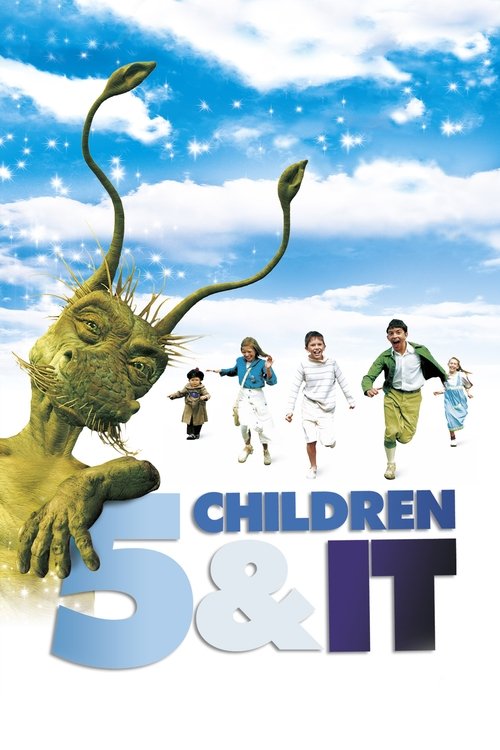
Five Children and It
The Psammead is an 'it', an ancient, ill-tempered sand-fairy with a spider-shaped body, bat-like ears, and snail-like eyes. It is grumpy but has the power to grant one wish a day, which must be made before sunset. Five siblings—Cyril, Anthea, Robert, Jane, and infant Hilary—encounter It and experience the highs and lows of frivolous wish-making.
The film commercial failure against its mid-range budget of $16.0M, earning $5.1M globally (-68% loss). While initial box office returns were modest, the film has gained appreciation for its unconventional structure within the adventure genre.
Plot Structure
Story beats plotted across runtime


Narrative Arc
Emotional journey through the story's key moments
Story Circle
Blueprint 15-beat structure
Arcplot Score Breakdown
Weighted: Precision (70%) + Arc (15%) + Theme (15%)
Five Children and It (2004) exemplifies precise narrative design, characteristic of John Stephenson's storytelling approach. This structural analysis examines how the film's 15-point plot structure maps to proven narrative frameworks across 1 hour and 28 minutes. With an Arcplot score of 7.2, the film balances conventional beats with creative variation.
Structural Analysis
The Status Quo at 1 minutes (1% through the runtime) establishes London 1917: The five children living in wartime Britain with their mother while father is away at war. They are being evacuated to their uncle's countryside estate, leaving behind their familiar world.. Notably, this early placement immediately immerses viewers in the story world.
The inciting incident occurs at 10 minutes when The children discover the Psammead (the Sand Fairy "It") in a gravel pit. The ancient creature reveals it can grant one wish per day, completely disrupting their ordinary rural existence with magical possibility.. At 12% through the film, this Disruption aligns precisely with traditional story structure. This beat shifts the emotional landscape, launching the protagonist into the central conflict.
The First Threshold at 21 minutes marks the transition into Act II, occurring at 24% of the runtime. This illustrates the protagonist's commitment to The children actively choose to make their first major wish together: they wish to be in a castle with riches. This conscious decision launches them into the magical adventure of Act 2., moving from reaction to action.
At 44 minutes, the Midpoint arrives at 50% of the runtime—precisely centered, creating perfect narrative symmetry. The analysis reveals that this crucial beat False defeat: A wish goes seriously wrong when they accidentally wish themselves into a dangerous siege situation. The stakes raise dramatically as they realize their wishes are attracting the attention of a sinister collector who wants the Psammead., fundamentally raising what's at risk. The emotional intensity shifts, dividing the narrative into clear before-and-after phases.
The Collapse moment at 64 minutes (73% through) represents the emotional nadir. Here, The Psammead is captured by the villain. The children's magical benefactor is taken, representing the "death" of their magical escape from wartime reality. They face the loss of their friend and their own helplessness., illustrates the protagonist at their lowest point. This beat's placement in the final quarter sets up the climactic reversal.
The Second Threshold at 70 minutes initiates the final act resolution at 79% of the runtime. The children synthesize what they've learned: they must make one final, selfless wish to save the Psammead. They choose to act as a united family rather than individuals, combining courage with wisdom about consequences., demonstrating the transformation achieved throughout the journey.
Emotional Journey
Five Children and It's emotional architecture traces a deliberate progression across 15 carefully calibrated beats.
Narrative Framework
This structural analysis employs systematic plot point analysis that identifies crucial turning points. By mapping Five Children and It against these established plot points, we can identify how John Stephenson utilizes or subverts traditional narrative conventions. The plot point approach reveals not only adherence to structural principles but also creative choices that distinguish Five Children and It within the adventure genre.
Comparative Analysis
Additional adventure films include Harry Potter and the Philosopher's Stone, The Bad Guys and Zoom.
Plot Points by Act
Act I
SetupStatus Quo
London 1917: The five children living in wartime Britain with their mother while father is away at war. They are being evacuated to their uncle's countryside estate, leaving behind their familiar world.
Theme
Uncle Albert warns the children that "wishes have consequences" and "be careful what you wish for." This establishes the film's central theme about desire, responsibility, and unintended consequences.
Worldbuilding
Introduction to the five siblings and their new rural life. They explore the countryside estate, deal with separation from their parents, and discover the isolation of their new home during wartime.
Disruption
The children discover the Psammead (the Sand Fairy "It") in a gravel pit. The ancient creature reveals it can grant one wish per day, completely disrupting their ordinary rural existence with magical possibility.
Resistance
The Psammead explains the rules of wish-granting: one wish per day, wishes end at sunset, and they must be careful. The children debate what to wish for and begin testing the magic with small wishes.
Act II
ConfrontationFirst Threshold
The children actively choose to make their first major wish together: they wish to be in a castle with riches. This conscious decision launches them into the magical adventure of Act 2.
Mirror World
Introduction of Horace, a neighboring boy who becomes entangled in their magical adventures. He represents the outside perspective on responsibility and represents the romantic/friendship subplot that will teach them about trust.
Premise
The fun and games of wish-making: the children experience various magical wishes including wings, beauty, wealth, and adventure. Each wish brings excitement but also complications, demonstrating the promise of the premise.
Midpoint
False defeat: A wish goes seriously wrong when they accidentally wish themselves into a dangerous siege situation. The stakes raise dramatically as they realize their wishes are attracting the attention of a sinister collector who wants the Psammead.
Opposition
The villain actively pursues the Psammead. The children's wishes become increasingly desperate and backfire more severely. Their selfishness and lack of foresight catches up with them as the antagonist closes in.
Collapse
The Psammead is captured by the villain. The children's magical benefactor is taken, representing the "death" of their magical escape from wartime reality. They face the loss of their friend and their own helplessness.
Crisis
The children despair over losing the Psammead. They reflect on their selfish wishes and realize they must work together unselfishly to rescue their friend, processing their growth from self-centered wish-makers to responsible heroes.
Act III
ResolutionSecond Threshold
The children synthesize what they've learned: they must make one final, selfless wish to save the Psammead. They choose to act as a united family rather than individuals, combining courage with wisdom about consequences.
Synthesis
The finale: the children execute their plan to rescue the Psammead from the villain. They confront the antagonist, make their final wish wisely, and resolve the magical adventure while learning the true value of family.
Transformation
The children return to their ordinary lives, but transformed. They've learned to appreciate what they have rather than constantly wishing for more. They face wartime separation with newfound maturity, unity, and hope.