
Five Easy Pieces
Robert Dupea spends his days doing various odd jobs, drinking and womanizing until an encounter with his sister makes him revisit his past.
Despite its modest budget of $1.6M, Five Easy Pieces became a runaway success, earning $18.1M worldwide—a remarkable 1031% return. The film's unique voice attracted moviegoers, illustrating how strong storytelling can transcend budget limitations.
Nominated for 4 Oscars. 11 wins & 23 nominations


Plot Structure
Story beats plotted across runtime


Narrative Arc
Emotional journey through the story's key moments
Story Circle
Blueprint 15-beat structure
Arcplot Score Breakdown
Weighted: Precision (70%) + Arc (15%) + Theme (15%)
Five Easy Pieces (1970) reveals strategically placed narrative architecture, characteristic of Bob Rafelson's storytelling approach. This structural analysis examines how the film's 15-point plot structure maps to proven narrative frameworks across 1 hour and 38 minutes. With an Arcplot score of 7.1, the film balances conventional beats with creative variation.
Characters
Cast & narrative archetypes

Robert Eroica Dupea

Rayette Dipesto

Catherine Van Oost

Partita Dupea
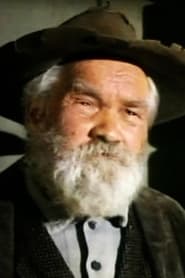
Nicholas Dupea
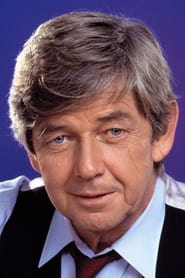
Carl Fidelio Dupea
Main Cast & Characters
Robert Eroica Dupea
Played by Jack Nicholson
A former classical pianist from a privileged family who has rejected his background to work in oil fields, struggling with identity and belonging.
Rayette Dipesto
Played by Karen Black
Bobby's devoted but unsophisticated waitress girlfriend who represents the working-class life he has chosen but secretly resents.
Catherine Van Oost
Played by Susan Anspach
A sophisticated young pianist staying at the Dupea family estate who briefly captivates Bobby with her intellectual and artistic world.
Partita Dupea
Played by Lois Smith
Bobby's older sister, a talented pianist who remains devoted to the family's musical legacy and tries to reconnect with her estranged brother.
Nicholas Dupea
Played by William Challee
Bobby's elderly, paralyzed father and former musical patriarch whose silent presence looms over Bobby's return home.
Carl Fidelio Dupea
Played by Ralph Waite
Bobby's pretentious and musically accomplished brother who embodies the family tradition Bobby has rejected.
Structural Analysis
The Status Quo at 1 minutes (1% through the runtime) establishes Bobby Dupea works the oil rigs in Bakersfield, living an anonymous blue-collar existence far removed from his privileged musical upbringing, drinking and bowling with his friend Elton.. Notably, this early placement immediately immerses viewers in the story world.
The inciting incident occurs at 12 minutes when Bobby's sister Partita arrives in Los Angeles for a recording session. Bobby visits her and learns their father has suffered two strokes and is dying. Simultaneously, Rayette reveals she is pregnant. His old life and new life collide.. At 12% through the film, this Disruption aligns precisely with traditional story structure. This beat shifts the emotional landscape, launching the protagonist into the central conflict.
The First Threshold at 25 minutes marks the transition into Act II, occurring at 25% of the runtime. This reveals the protagonist's commitment to Bobby makes the active choice to return to his family's island estate in Washington to see his dying father, taking Rayette with him—a decision that forces him to confront the identity he abandoned., moving from reaction to action.
At 49 minutes, the Midpoint arrives at 50% of the runtime—precisely centered, creating perfect narrative symmetry. The analysis reveals that this crucial beat Bobby and Catherine consummate their affair. Bobby plays Chopin for her and she praises his talent. A false victory—Bobby believes he might reconnect with his artistic self and find love with someone who understands him. But Catherine sees through his romanticism., fundamentally raising what's at risk. The emotional intensity shifts, dividing the narrative into clear before-and-after phases.
The Collapse moment at 74 minutes (75% through) represents the emotional nadir. Here, Bobby wheels his stroke-stricken father outside and delivers a devastating monologue, confessing his failures while his father sits unresponsive. Bobby breaks down in tears, unable to connect with the one person he came to see. The "whiff of death" is literal—his father is dying, and metaphorical—his last hope for reconciliation dies., illustrates the protagonist at their lowest point. This beat's placement in the final quarter sets up the climactic reversal.
The Second Threshold at 78 minutes initiates the final act resolution at 80% of the runtime. Bobby decides to leave the island, taking Rayette with him. But this threshold is marked by defeat rather than synthesis—he has learned nothing, gained nothing. He chooses flight over growth., demonstrating the transformation achieved throughout the journey.
Emotional Journey
Five Easy Pieces's emotional architecture traces a deliberate progression across 15 carefully calibrated beats.
Narrative Framework
This structural analysis employs a 15-point narrative structure framework that maps key story moments. By mapping Five Easy Pieces against these established plot points, we can identify how Bob Rafelson utilizes or subverts traditional narrative conventions. The plot point approach reveals not only adherence to structural principles but also creative choices that distinguish Five Easy Pieces within the drama genre.
Bob Rafelson's Structural Approach
Among the 3 Bob Rafelson films analyzed on Arcplot, the average structural score is 6.9, demonstrating varied approaches to story architecture. Five Easy Pieces represents one of the director's most structurally precise works. For comparative analysis, explore the complete Bob Rafelson filmography.
Comparative Analysis
Additional drama films include After Thomas, South Pacific and Dirty Dancing: Havana Nights. For more Bob Rafelson analyses, see The Postman Always Rings Twice, Black Widow.
Plot Points by Act
Act I
SetupStatus Quo
Bobby Dupea works the oil rigs in Bakersfield, living an anonymous blue-collar existence far removed from his privileged musical upbringing, drinking and bowling with his friend Elton.
Theme
Rayette's constant playing of Tammy Wynette's "Stand By Your Man" establishes the thematic tension between authenticity and pretense—the question of whether we can truly become someone different or if we're trapped by who we are.
Worldbuilding
Bobby's double life is established: by day a rough oil worker, by night drinking and womanizing with Elton. His relationship with the clingy, country-music-loving Rayette shows his emotional detachment. His eruption of anger during a traffic jam hints at deeper frustrations.
Disruption
Bobby's sister Partita arrives in Los Angeles for a recording session. Bobby visits her and learns their father has suffered two strokes and is dying. Simultaneously, Rayette reveals she is pregnant. His old life and new life collide.
Resistance
Bobby resists returning home, continuing his oil field work until Elton is arrested. He sees Partita perform classical piano and confronts his buried identity. The famous chicken salad diner scene reveals his contempt for arbitrary rules and his volcanic anger beneath the surface.
Act II
ConfrontationFirst Threshold
Bobby makes the active choice to return to his family's island estate in Washington to see his dying father, taking Rayette with him—a decision that forces him to confront the identity he abandoned.
Mirror World
Bobby arrives at the Dupea family compound on Puget Sound and meets Catherine Van Oost, his brother Carl's fiancée. She represents everything Bobby rejected—refinement, classical music, intellectual pretension—yet he is immediately drawn to her as a potential path to redemption.
Premise
Bobby navigates the collision of his two worlds. He stashes Rayette at a motel to hide his lower-class girlfriend from his family. He pursues Catherine, plays piano again, and engages in intellectual sparring with the pretentious guests. The promise of the premise: watching a man who doesn't fit anywhere try to find a place.
Midpoint
Bobby and Catherine consummate their affair. Bobby plays Chopin for her and she praises his talent. A false victory—Bobby believes he might reconnect with his artistic self and find love with someone who understands him. But Catherine sees through his romanticism.
Opposition
The walls close in. Rayette arrives uninvited at the estate, embarrassing Bobby. Catherine rejects his proposal to run away together, seeing his self-destruction clearly. Bobby clashes with a pretentious intellectual at dinner, revealing his contempt for his family's world. He can't commit to either identity.
Collapse
Bobby wheels his stroke-stricken father outside and delivers a devastating monologue, confessing his failures while his father sits unresponsive. Bobby breaks down in tears, unable to connect with the one person he came to see. The "whiff of death" is literal—his father is dying, and metaphorical—his last hope for reconciliation dies.
Crisis
Bobby processes the futility of his journey. His father cannot hear or respond. Catherine has rejected him. His brother Carl confronts him about the affair. There is nothing left for him here—no redemption, no reconciliation, no new beginning.
Act III
ResolutionSecond Threshold
Bobby decides to leave the island, taking Rayette with him. But this threshold is marked by defeat rather than synthesis—he has learned nothing, gained nothing. He chooses flight over growth.
Synthesis
Bobby and Rayette drive south. They stop at a gas station in Washington. While Rayette is inside, Bobby sees a logging truck heading to Alaska. In a devastating final act, he abandons Rayette, leaving his wallet and jacket behind, and hitches a ride north—running from his life entirely.
Transformation
Bobby rides in the cab of the logging truck toward Alaska, having abandoned everything—girlfriend, identity, possessions. The final image mirrors the opening: Bobby is still running, still unable to connect. A negative transformation—he has not grown, only fled further. The camera holds on the empty gas station as Rayette realizes he's gone.