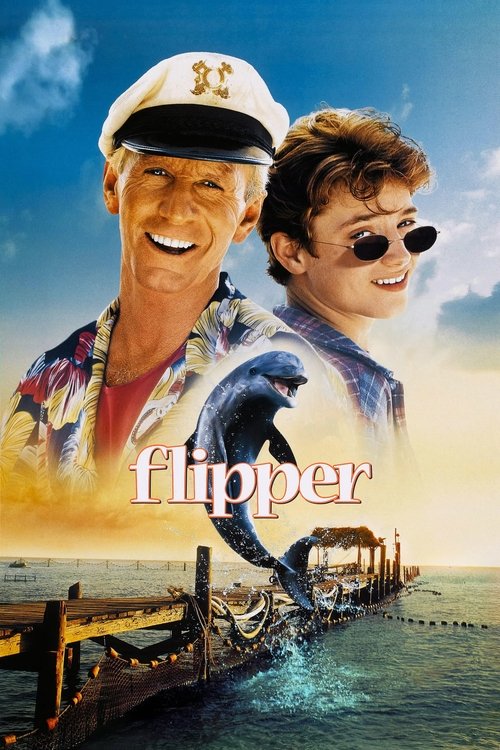
Flipper
Sandy Ricks is sent by his mom to Coral Key, a rustic island in the Florida keys, to spend the summer with his uncle Porter Ricks. Sandy dislikes everything about his new environment until a new friend comes into his life, a dolphin named Flipper, that brings uncle and nephew together and leads Sandy on the summer adventure of a lifetime.
The film disappointed at the box office against its mid-range budget of $25.5M, earning $20.1M globally (-21% loss).


Plot Structure
Story beats plotted across runtime


Narrative Arc
Emotional journey through the story's key moments
Story Circle
Blueprint 15-beat structure
Arcplot Score Breakdown
Weighted: Precision (70%) + Arc (15%) + Theme (15%)
Flipper (1996) exemplifies precise narrative design, characteristic of Alan Shapiro's storytelling approach. This structural analysis examines how the film's 15-point plot structure maps to proven narrative frameworks across 1 hour and 35 minutes. With an Arcplot score of 6.7, the film balances conventional beats with creative variation.
Characters
Cast & narrative archetypes

Sandy Hale
Porter Ricks
Flipper
Cathy Hale
Kim Hale
Dirk Moran
Main Cast & Characters
Sandy Hale
Played by Elijah Wood
A rebellious teenage boy from Chicago sent to spend summer with his uncle in the Florida Keys, who befriends a dolphin.
Porter Ricks
Played by Paul Hogan
Sandy's uncle, a fisherman and tour boat operator who becomes a reluctant guardian for the summer.
Flipper
Played by Flipper
A wild dolphin who forms a special bond with Sandy and becomes central to the story.
Cathy Hale
Played by Chelsea Field
Sandy's mother who sends him to Florida for the summer, hoping the experience will help him mature.
Kim Hale
Played by Jessica Wesson
Sandy's younger sister who visits the Keys and shares in the dolphin adventures.
Dirk Moran
Played by Jonathan Banks
An unscrupulous local businessman who dumps toxic waste and becomes the story's antagonist.
Structural Analysis
The Status Quo at 1 minutes (1% through the runtime) establishes Sandy Ricks is shown as a troubled teen in Chicago, disconnected from his family and getting into minor trouble, establishing his emotional distance and need for change.. Notably, this early placement immediately immerses viewers in the story world.
The inciting incident occurs at 12 minutes when Sandy discovers an injured dolphin trapped in fishing nets and garbage. This encounter disrupts his apathetic attitude and sparks his first genuine emotional connection.. At 13% through the film, this Disruption is delayed, allowing extended setup of the story world. This beat shifts the emotional landscape, launching the protagonist into the central conflict.
The First Threshold at 24 minutes marks the transition into Act II, occurring at 25% of the runtime. This indicates the protagonist's commitment to Sandy actively chooses to save Flipper from danger and commits to rehabilitating him. This choice marks his full entry into the world of marine conservation and opens his heart., moving from reaction to action.
At 48 minutes, the Midpoint arrives at 50% of the runtime—precisely centered, creating perfect narrative symmetry. Structural examination shows that this crucial beat Sandy and Kim discover illegal dumping operations polluting the ocean and threatening marine life. The stakes raise dramatically as the antagonistic forces become clear and dangerous., fundamentally raising what's at risk. The emotional intensity shifts, dividing the narrative into clear before-and-after phases.
The Collapse moment at 71 minutes (75% through) represents the emotional nadir. Here, Flipper is severely injured or poisoned by the polluted waters and appears to be dying. Sandy faces the loss of his best friend and the failure of his efforts to protect the ocean., indicates the protagonist at their lowest point. This beat's placement in the final quarter sets up the climactic reversal.
The Second Threshold at 76 minutes initiates the final act resolution at 80% of the runtime. Sandy realizes he has the evidence and courage to expose the polluters. He synthesizes his street smarts from Chicago with his new environmental knowledge to take decisive action., demonstrating the transformation achieved throughout the journey.
Emotional Journey
Flipper's emotional architecture traces a deliberate progression across 15 carefully calibrated beats.
Narrative Framework
This structural analysis employs structural analysis methodology used to understand storytelling architecture. By mapping Flipper against these established plot points, we can identify how Alan Shapiro utilizes or subverts traditional narrative conventions. The plot point approach reveals not only adherence to structural principles but also creative choices that distinguish Flipper within the adventure genre.
Alan Shapiro's Structural Approach
Among the 2 Alan Shapiro films analyzed on Arcplot, the average structural score is 7.1, reflecting strong command of classical structure. Flipper takes a more unconventional approach compared to the director's typical style. For comparative analysis, explore the complete Alan Shapiro filmography.
Comparative Analysis
Additional adventure films include The Black Stallion, The Bad Guys and Puss in Boots. For more Alan Shapiro analyses, see The Crush.
Plot Points by Act
Act I
SetupStatus Quo
Sandy Ricks is shown as a troubled teen in Chicago, disconnected from his family and getting into minor trouble, establishing his emotional distance and need for change.
Theme
Uncle Porter tells Sandy about the importance of respecting the ocean and its creatures, stating that you get back what you give, foreshadowing Sandy's journey of learning responsibility and connection.
Worldbuilding
Sandy arrives in the Florida Keys to spend summer with Uncle Porter. We see the island paradise, Porter's marine research work, the local community, and Sandy's initial resistance to this new environment.
Disruption
Sandy discovers an injured dolphin trapped in fishing nets and garbage. This encounter disrupts his apathetic attitude and sparks his first genuine emotional connection.
Resistance
Sandy debates whether to get involved with helping the dolphin. Porter mentors him about marine life and responsibility. Sandy begins visiting the dolphin (Flipper) regularly but hasn't fully committed to the relationship.
Act II
ConfrontationFirst Threshold
Sandy actively chooses to save Flipper from danger and commits to rehabilitating him. This choice marks his full entry into the world of marine conservation and opens his heart.
Mirror World
Sandy bonds with Kim, a local girl who shares his growing passion for the ocean. Their relationship becomes the emotional subplot that reinforces the theme of connection and caring.
Premise
The fun and games of boy-and-dolphin adventures. Sandy and Flipper play, swim, and bond. Sandy transforms from sullen teen to engaged conservationist, experiencing the joy the premise promised.
Midpoint
Sandy and Kim discover illegal dumping operations polluting the ocean and threatening marine life. The stakes raise dramatically as the antagonistic forces become clear and dangerous.
Opposition
The polluters actively work against Sandy and Porter. Pressure mounts as the environmental threat grows. Sandy's attempts to stop them are thwarted, and Flipper is increasingly in danger from the toxic waters.
Collapse
Flipper is severely injured or poisoned by the polluted waters and appears to be dying. Sandy faces the loss of his best friend and the failure of his efforts to protect the ocean.
Crisis
Sandy experiences despair and helplessness as Flipper fights for survival. He processes what Flipper has taught him about responsibility, connection, and fighting for what matters.
Act III
ResolutionSecond Threshold
Sandy realizes he has the evidence and courage to expose the polluters. He synthesizes his street smarts from Chicago with his new environmental knowledge to take decisive action.
Synthesis
Sandy, Porter, and Kim execute their plan to stop the polluters and save the ocean. The authorities are brought in, the villains are caught, and Flipper recovers. Sandy proves his complete transformation.
Transformation
Sandy releases Flipper back to the wild, showing he understands that love means letting go. The troubled disconnected boy is now a caring, responsible young man connected to family, community, and nature.