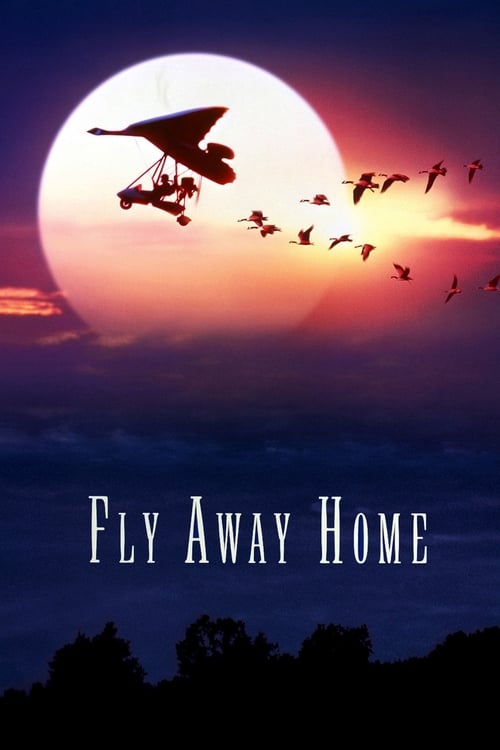
Fly Away Home
Amy is only 13 years old when her mother is killed. She goes to Canada to live with her father, an eccentric inventor whom she barely knows. Amy is miserable in her new life... until she discovers a nest of goose eggs that were abandoned when a local forest was torn down. The eggs hatch and Amy becomes "Mama Goose". When winter comes, Amy and her dad must find a way to lead the birds South.
Working with a respectable budget of $22.0M, the film achieved a steady performer with $25.1M in global revenue (+14% profit margin).
Nominated for 1 Oscar. 5 wins & 7 nominations


Plot Structure
Story beats plotted across runtime


Narrative Arc
Emotional journey through the story's key moments
Story Circle
Blueprint 15-beat structure
Arcplot Score Breakdown
Weighted: Precision (70%) + Arc (15%) + Theme (15%)
Fly Away Home (1996) showcases strategically placed plot construction, characteristic of Carroll Ballard's storytelling approach. This structural analysis examines how the film's 15-point plot structure maps to proven narrative frameworks across 1 hour and 47 minutes. With an Arcplot score of 7.5, the film showcases strong structural fundamentals.
Characters
Cast & narrative archetypes

Amy Alden
Thomas Alden
Susan Barnes
David Alden
Barry Strickland
Main Cast & Characters
Amy Alden
Played by Anna Paquin
A 13-year-old girl who loses her mother and must adapt to living with her estranged father, becoming a surrogate mother to orphaned goslings.
Thomas Alden
Played by Jeff Daniels
An eccentric artist and inventor who reconnects with his daughter through their shared mission to teach geese to migrate.
Susan Barnes
Played by Dana Delany
Thomas's supportive girlfriend who helps Amy adjust to her new life and provides emotional stability.
David Alden
Played by Terry Kinney
Thomas's pragmatic brother who initially doubts the goose migration plan but eventually supports the family.
Barry Strickland
Played by Jeremy Ratchford
A wildlife officer enforcing regulations about the geese, serving as bureaucratic opposition to Amy's mission.
Structural Analysis
The Status Quo at 1 minutes (1% through the runtime) establishes Amy lives in New Zealand with her mother, shown drawing and enjoying a close relationship. This establishes her artistic nature and the loving world she's about to lose.. Notably, this early placement immediately immerses viewers in the story world.
The inciting incident occurs at 12 minutes when Amy's mother is killed in a car accident. This traumatic event tears Amy from her established life and forces her into a new world with a father she barely knows.. At 12% through the film, this Disruption aligns precisely with traditional story structure. This beat shifts the emotional landscape, launching the protagonist into the central conflict.
The First Threshold at 26 minutes marks the transition into Act II, occurring at 24% of the runtime. This indicates the protagonist's commitment to Amy chooses to incubate and hatch the goose eggs. This active decision to nurture life commits her to responsibility and begins her transformation from withdrawn grief to engaged purpose., moving from reaction to action.
At 52 minutes, the Midpoint arrives at 49% of the runtime—precisely centered, creating perfect narrative symmetry. Significantly, this crucial beat Wildlife authorities declare the geese must be clipped (wings trimmed) because they're domestic birds without a migration pattern. This false defeat raises the stakes—Amy will lose her geese unless they can prove the birds can migrate., fundamentally raising what's at risk. The emotional intensity shifts, dividing the narrative into clear before-and-after phases.
The Collapse moment at 79 minutes (74% through) represents the emotional nadir. Here, Amy crashes her ultralight in bad weather and is injured. She's grounded by authorities with the migration incomplete and the deadline approaching. The dream appears dead, and she faces losing everything she's worked for., demonstrates the protagonist at their lowest point. This beat's placement in the final quarter sets up the climactic reversal.
The Second Threshold at 84 minutes initiates the final act resolution at 79% of the runtime. Amy decides to fly despite her injuries and defies the authorities. She synthesizes everything she's learned—her mother's courage, her father's ingenuity, her own determination—and commits to completing the migration no matter the cost., demonstrating the transformation achieved throughout the journey.
Emotional Journey
Fly Away Home's emotional architecture traces a deliberate progression across 15 carefully calibrated beats.
Narrative Framework
This structural analysis employs structural analysis methodology used to understand storytelling architecture. By mapping Fly Away Home against these established plot points, we can identify how Carroll Ballard utilizes or subverts traditional narrative conventions. The plot point approach reveals not only adherence to structural principles but also creative choices that distinguish Fly Away Home within the adventure genre.
Carroll Ballard's Structural Approach
Among the 2 Carroll Ballard films analyzed on Arcplot, the average structural score is 7.3, reflecting strong command of classical structure. Fly Away Home represents one of the director's most structurally precise works. For comparative analysis, explore the complete Carroll Ballard filmography.
Comparative Analysis
Additional adventure films include The Bad Guys, Puss in Boots. For more Carroll Ballard analyses, see The Black Stallion.
Plot Points by Act
Act I
SetupStatus Quo
Amy lives in New Zealand with her mother, shown drawing and enjoying a close relationship. This establishes her artistic nature and the loving world she's about to lose.
Theme
Thomas (Amy's father) says to Susan: "If you want them to fly, you have to be the one to teach them." This seemingly casual line about his inventions foreshadows the story's core theme about taking responsibility for what you bring into the world.
Worldbuilding
Amy travels to Canada to live with her estranged father Thomas on his rural property. We see their awkward relationship, his eccentric sculptor/inventor lifestyle with girlfriend Susan, and Amy's isolation and grief.
Disruption
Amy's mother is killed in a car accident. This traumatic event tears Amy from her established life and forces her into a new world with a father she barely knows.
Resistance
Amy discovers goose eggs in the woods after developers destroy a nest. She resists connecting with her father or her new life, remaining withdrawn. Thomas is uncertain how to reach his grieving daughter.
Act II
ConfrontationFirst Threshold
Amy chooses to incubate and hatch the goose eggs. This active decision to nurture life commits her to responsibility and begins her transformation from withdrawn grief to engaged purpose.
Mirror World
The goslings imprint on Amy, following her everywhere. This creates the central relationship that will carry the theme—Amy must learn to let go and guide them to independence, mirroring her own need to heal and connect.
Premise
Amy raises the geese with growing confidence. Thomas builds an ultralight aircraft to teach the geese to fly and migrate. Father and daughter begin bonding through this shared mission. Amy learns to fly alongside her geese.
Midpoint
Wildlife authorities declare the geese must be clipped (wings trimmed) because they're domestic birds without a migration pattern. This false defeat raises the stakes—Amy will lose her geese unless they can prove the birds can migrate.
Opposition
Amy and Thomas plan an ambitious migration flight from Canada to North Carolina. Obstacles mount: mechanical failures, bad weather, media attention, bureaucratic resistance. The geese face predators and Amy faces her fear and physical limits.
Collapse
Amy crashes her ultralight in bad weather and is injured. She's grounded by authorities with the migration incomplete and the deadline approaching. The dream appears dead, and she faces losing everything she's worked for.
Crisis
Amy lies in bed, defeated and in pain. She must decide whether to give up or find another way. Thomas and Susan encourage her, but the choice must be hers—a dark night processing loss and finding resolve.
Act III
ResolutionSecond Threshold
Amy decides to fly despite her injuries and defies the authorities. She synthesizes everything she's learned—her mother's courage, her father's ingenuity, her own determination—and commits to completing the migration no matter the cost.
Synthesis
Amy leads the geese on the final leg to the North Carolina sanctuary. Supporters rally, creating a safe landing corridor. She successfully guides all the geese to their destination, proving they can migrate and saving them from being clipped.
Transformation
Spring arrives and the geese return on their own to Amy's home in Canada, having completed their first full migration cycle. Amy watches them arrive, transformed from a grieving, isolated girl into someone connected to family, purpose, and the natural cycle of letting go and reunion.