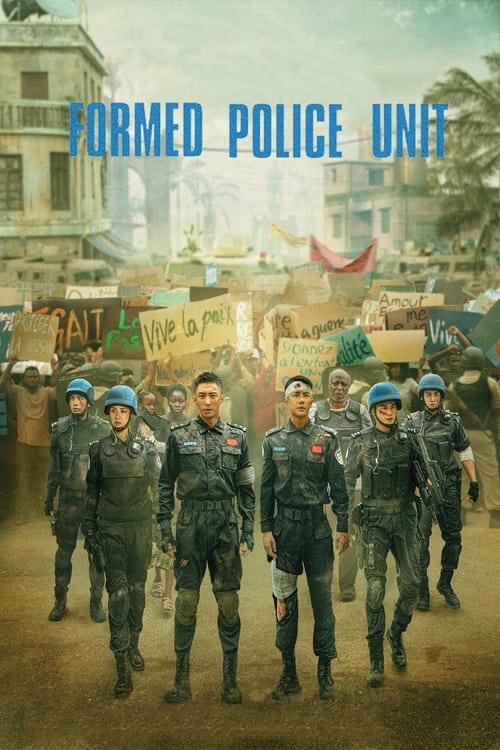
Formed Police Unit
The movie focuses on the little-known life and death moments of Chinese peacekeeping police! At the request of the United Nations and dispatched by the state, peacekeeping police officers shoulder the sacred mission and go to foreign countries to carry out peacekeeping tasks in war-torn mission areas. They will have to face terrorist attacks, armed riots, gangs and other dangerous situations, peacekeeping operations can not be delayed...
The film earned $71.9M at the global box office.
Plot Structure
Story beats plotted across runtime


Narrative Arc
Emotional journey through the story's key moments
Story Circle
Blueprint 15-beat structure
Arcplot Score Breakdown
Weighted: Precision (70%) + Arc (15%) + Theme (15%)
Formed Police Unit (2024) demonstrates carefully calibrated story structure, characteristic of Lee Tat-Chiu's storytelling approach. This structural analysis examines how the film's 15-point plot structure maps to proven narrative frameworks across 1 hour and 41 minutes. With an Arcplot score of 6.7, the film balances conventional beats with creative variation.
Structural Analysis
The Status Quo at 1 minutes (1% through the runtime) establishes Yu Ziyun and his elite police unit are shown in China, demonstrating their exceptional training and capabilities. The team operates with precision in a controlled domestic environment, establishing their competence before deployment.. Notably, this early placement immediately immerses viewers in the story world.
The inciting incident occurs at 12 minutes when The unit receives urgent orders to deploy to a conflict zone in Africa as part of a UN peacekeeping mission. Initial reports indicate the situation is deteriorating rapidly with armed rebel groups threatening civilian populations.. At 12% through the film, this Disruption aligns precisely with traditional story structure. This beat shifts the emotional landscape, launching the protagonist into the central conflict.
The First Threshold at 25 minutes marks the transition into Act II, occurring at 25% of the runtime. This reveals the protagonist's commitment to The FPU arrives in the African conflict zone and immediately faces a hostile reception. Yu Ziyun makes the decisive choice to lead his team into the most dangerous sector, committing fully to their peacekeeping mission despite the visible dangers., moving from reaction to action.
At 51 minutes, the Midpoint arrives at 50% of the runtime—precisely centered, creating perfect narrative symmetry. Of particular interest, this crucial beat The team successfully defends a critical civilian shelter against a major rebel assault, earning recognition and gratitude from the local population and UN leadership. This false victory suggests their mission is succeeding, but the rebels are regrouping for a larger offensive., fundamentally raising what's at risk. The emotional intensity shifts, dividing the narrative into clear before-and-after phases.
The Collapse moment at 76 minutes (75% through) represents the emotional nadir. Here, A devastating ambush kills several team members. Yu Ziyun is wounded and watches helplessly as comrades fall. The young local boy they protected is also caught in the violence. This is the darkest hour—the whiff of death is literal as the mission seems to have cost too much., shows the protagonist at their lowest point. This beat's placement in the final quarter sets up the climactic reversal.
The Second Threshold at 81 minutes initiates the final act resolution at 80% of the runtime. Yu Ziyun receives crucial intelligence about the rebel stronghold and realizes they can turn their defensive position into an offensive opportunity. The local boy, who survived, provides key information. Yu synthesizes his combat training with the human connections he's built, leading the charge., demonstrating the transformation achieved throughout the journey.
Emotional Journey
Formed Police Unit's emotional architecture traces a deliberate progression across 15 carefully calibrated beats.
Narrative Framework
This structural analysis employs proven narrative structure principles that track dramatic progression. By mapping Formed Police Unit against these established plot points, we can identify how Lee Tat-Chiu utilizes or subverts traditional narrative conventions. The plot point approach reveals not only adherence to structural principles but also creative choices that distinguish Formed Police Unit within the drama genre.
Comparative Analysis
Additional drama films include After Thomas, South Pacific and Dirty Dancing: Havana Nights.
Plot Points by Act
Act I
SetupStatus Quo
Yu Ziyun and his elite police unit are shown in China, demonstrating their exceptional training and capabilities. The team operates with precision in a controlled domestic environment, establishing their competence before deployment.
Theme
A senior officer tells the unit that peacekeeping isn't about fighting wars—it's about protecting the innocent and showing the world what true duty means. This establishes the film's core theme of sacrifice for the greater good.
Worldbuilding
The world of Chinese special police operations is established. We meet the key team members, understand their relationships and individual skills. The context of UN peacekeeping missions and the volatile situation in the African nation is introduced through briefings.
Disruption
The unit receives urgent orders to deploy to a conflict zone in Africa as part of a UN peacekeeping mission. Initial reports indicate the situation is deteriorating rapidly with armed rebel groups threatening civilian populations.
Resistance
The team prepares for deployment, receiving briefings on the rules of engagement and the political complexities of peacekeeping. Yu Ziyun grapples with the constraints of operating under UN mandate rather than Chinese jurisdiction, where force must be measured and diplomacy prioritized.
Act II
ConfrontationFirst Threshold
The FPU arrives in the African conflict zone and immediately faces a hostile reception. Yu Ziyun makes the decisive choice to lead his team into the most dangerous sector, committing fully to their peacekeeping mission despite the visible dangers.
Mirror World
Yu Ziyun encounters local civilians, particularly children and families caught in the crossfire. A young local boy becomes attached to the unit, representing the innocent lives they're sworn to protect. This humanizes their mission beyond tactical objectives.
Premise
The FPU engages in various peacekeeping operations: protecting refugee convoys, negotiating with local warlords, building trust with suspicious communities, and conducting rescue missions. The action showcases their training while the drama reveals the personal toll of the mission.
Midpoint
The team successfully defends a critical civilian shelter against a major rebel assault, earning recognition and gratitude from the local population and UN leadership. This false victory suggests their mission is succeeding, but the rebels are regrouping for a larger offensive.
Opposition
The rebel forces intensify their campaign. The FPU faces ambushes, supply shortages, and increasing pressure. Internal tensions rise as team members question the cost of their mission. The antagonist warlord specifically targets the Chinese unit, viewing them as the primary obstacle to his plans.
Collapse
A devastating ambush kills several team members. Yu Ziyun is wounded and watches helplessly as comrades fall. The young local boy they protected is also caught in the violence. This is the darkest hour—the whiff of death is literal as the mission seems to have cost too much.
Crisis
The surviving team members are demoralized and trapped. Yu Ziyun struggles with guilt over his fallen comrades and questions whether the mission was worth the sacrifice. The unit is cut off from reinforcements with dwindling ammunition and no clear escape route.
Act III
ResolutionSecond Threshold
Yu Ziyun receives crucial intelligence about the rebel stronghold and realizes they can turn their defensive position into an offensive opportunity. The local boy, who survived, provides key information. Yu synthesizes his combat training with the human connections he's built, leading the charge.
Synthesis
The final assault combines everything the team has learned. Yu Ziyun leads a bold operation that neutralizes the rebel threat while protecting civilians. The action culminates in a confrontation with the warlord. The mission succeeds, demonstrating that peacekeeping requires both strength and humanity.
Transformation
The surviving FPU members return home as heroes, but Yu Ziyun is changed. He honors his fallen comrades and maintains his bond with the local community he protected. The final image shows him at peace—no longer just a tactical operator but a true peacekeeper who understands sacrifice.