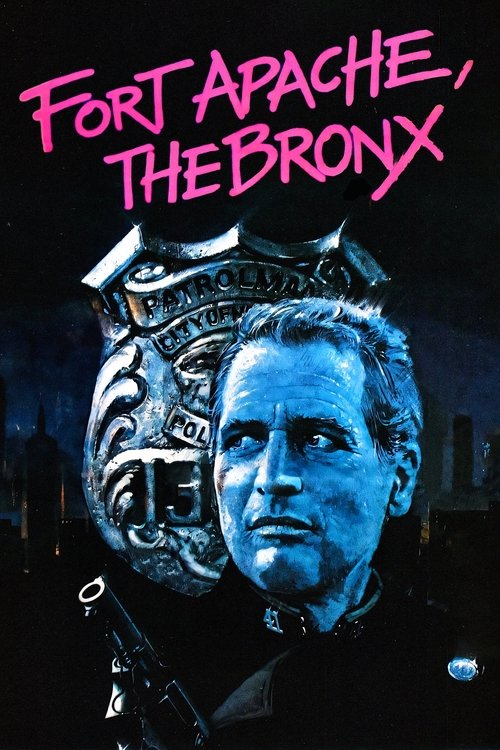
Fort Apache, the Bronx
From the sight of a police officer this movie depicts the life in New York's infamous South Bronx. In the center is "Fort Apache", as the officers call their police station, which really seems like an outpost in enemy's country. The story follows officer Murphy, who seems to be a tuff cynic, but in truth he's a moralist with a sense for justice.
Despite its limited budget of $10.0M, Fort Apache, the Bronx became a massive hit, earning $65.2M worldwide—a remarkable 552% return. The film's distinctive approach attracted moviegoers, proving that strong storytelling can transcend budget limitations.
Plot Structure
Story beats plotted across runtime


Narrative Arc
Emotional journey through the story's key moments
Story Circle
Blueprint 15-beat structure
Arcplot Score Breakdown
Weighted: Precision (70%) + Arc (15%) + Theme (15%)
Fort Apache, the Bronx (1981) showcases meticulously timed narrative design, characteristic of Daniel Petrie's storytelling approach. This structural analysis examines how the film's 15-point plot structure maps to proven narrative frameworks across 2 hours and 5 minutes. With an Arcplot score of 6.8, the film balances conventional beats with creative variation.
Characters
Cast & narrative archetypes
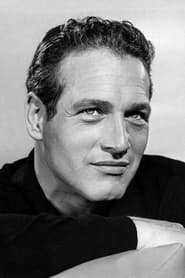
Murphy
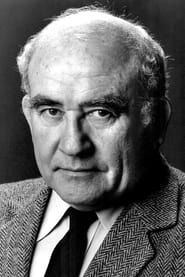
Andy Morgan

Isabella
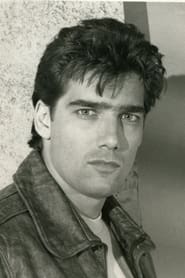
Officer Connolly
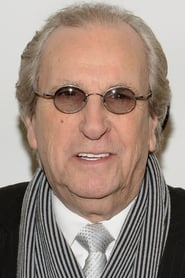
Captain Dugan
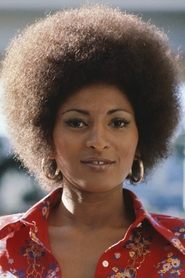
Charlotte
Main Cast & Characters
Murphy
Played by Paul Newman
Veteran NYPD officer working the 41st Precinct in the South Bronx. Cynical but fundamentally decent cop who maintains his humanity despite chaos.
Andy Morgan
Played by Ed Asner
Murphy's longtime partner, a veteran cop equally worn down by the job but loyal and reliable.
Isabella
Played by Rachel Ticotin
Troubled Puerto Rican nurse struggling with drug addiction who becomes romantically involved with Murphy.
Officer Connolly
Played by Ken Wahl
Young, aggressive, racist cop representing the corrupt and brutal elements within the precinct.
Captain Dugan
Played by Danny Aiello
Precinct commander overwhelmed by chaos, represents old-school policing but proves ineffective.
Charlotte
Played by Pam Grier
Ruthless, mentally unstable prostitute and drug addict who commits murders, representing the violence of the streets.
Structural Analysis
The Status Quo at 1 minutes (1% through the runtime) establishes Murphy and Corelli patrol the chaotic South Bronx streets in their squad car, showing the daily grind of veteran cops in a war zone precinct where crime and decay are the norm.. Significantly, this early placement immediately immerses viewers in the story world.
The inciting incident occurs at 14 minutes when A female junkie brutally murders two rookie cops in cold blood on the street. This senseless killing shocks the precinct and sets the story in motion, demanding justice and response.. At 11% through the film, this Disruption aligns precisely with traditional story structure. This beat shifts the emotional landscape, launching the protagonist into the central conflict.
The First Threshold at 31 minutes marks the transition into Act II, occurring at 25% of the runtime. This reveals the protagonist's commitment to Murphy chooses to pursue a relationship with Isabella despite knowing she's a recovering addict, and commits to working the cop killer case properly rather than taking shortcuts. He enters a more personal, vulnerable world., moving from reaction to action.
At 61 minutes, the Midpoint arrives at 49% of the runtime—precisely centered, creating perfect narrative symmetry. Structural examination shows that this crucial beat Murphy and Corelli witness officers Morgan and Finley throw a Puerto Rican suspect off a rooftop to his death. This false victory for precinct "justice" is actually a moral collapse that Murphy must decide whether to report or ignore., fundamentally raising what's at risk. The emotional intensity shifts, dividing the narrative into clear before-and-after phases.
The Collapse moment at 92 minutes (74% through) represents the emotional nadir. Here, Corelli, Murphy's loyal partner and best friend, is killed in the line of duty. This death devastates Murphy and represents the loss of his last anchor to hope and camaraderie in the precinct., reveals the protagonist at their lowest point. This beat's placement in the final quarter sets up the climactic reversal.
The Second Threshold at 98 minutes initiates the final act resolution at 79% of the runtime. Murphy decides to testify against Morgan and Finley for the rooftop murder. He synthesizes his love for Isabella, his grief over Corelli, and his core values, choosing integrity over the blue wall of silence., demonstrating the transformation achieved throughout the journey.
Emotional Journey
Fort Apache, the Bronx's emotional architecture traces a deliberate progression across 15 carefully calibrated beats.
Narrative Framework
This structural analysis employs a 15-point narrative structure framework that maps key story moments. By mapping Fort Apache, the Bronx against these established plot points, we can identify how Daniel Petrie utilizes or subverts traditional narrative conventions. The plot point approach reveals not only adherence to structural principles but also creative choices that distinguish Fort Apache, the Bronx within the crime genre.
Daniel Petrie's Structural Approach
Among the 3 Daniel Petrie films analyzed on Arcplot, the average structural score is 7.0, demonstrating varied approaches to story architecture. Fort Apache, the Bronx takes a more unconventional approach compared to the director's typical style. For comparative analysis, explore the complete Daniel Petrie filmography.
Comparative Analysis
Additional crime films include The Bad Guys, Rustom and The Whole Ten Yards. For more Daniel Petrie analyses, see Lassie, Cocoon: The Return.
Plot Points by Act
Act I
SetupStatus Quo
Murphy and Corelli patrol the chaotic South Bronx streets in their squad car, showing the daily grind of veteran cops in a war zone precinct where crime and decay are the norm.
Theme
A fellow officer comments on surviving in the precinct: "You gotta know when to look and when not to look." The theme of moral compromise versus integrity in a corrupted system is introduced.
Worldbuilding
Establishment of the 41st Precinct ("Fort Apache") as an embattled outpost in the South Bronx. Murphy and Corelli navigate daily chaos, street crime, drug dealers, and community hostility while maintaining dark humor and basic decency.
Disruption
A female junkie brutally murders two rookie cops in cold blood on the street. This senseless killing shocks the precinct and sets the story in motion, demanding justice and response.
Resistance
Captain Connolly arrives as new commander, implementing aggressive tactics and pressuring officers to get results. Murphy debates whether to adapt to the new hardline approach or maintain his principles. He also meets Isabella, a nurse.
Act II
ConfrontationFirst Threshold
Murphy chooses to pursue a relationship with Isabella despite knowing she's a recovering addict, and commits to working the cop killer case properly rather than taking shortcuts. He enters a more personal, vulnerable world.
Mirror World
Murphy and Isabella's relationship deepens. She represents hope, redemption, and human connection—everything the precinct lacks. This relationship subplot carries the theme of maintaining humanity in a dehumanizing environment.
Premise
Murphy navigates the escalating tension between community relations and Connolly's aggressive policing. He investigates leads on the cop killer while balancing his relationship with Isabella and witnessing increasing brutality from fellow officers.
Midpoint
Murphy and Corelli witness officers Morgan and Finley throw a Puerto Rican suspect off a rooftop to his death. This false victory for precinct "justice" is actually a moral collapse that Murphy must decide whether to report or ignore.
Opposition
Pressure intensifies from all sides: Connolly demands Murphy stay silent about the rooftop murder, the community erupts in protests, Isabella's addiction resurfaces, and the blue wall of silence closes in on Murphy. His integrity is tested at every turn.
Collapse
Corelli, Murphy's loyal partner and best friend, is killed in the line of duty. This death devastates Murphy and represents the loss of his last anchor to hope and camaraderie in the precinct.
Crisis
Murphy mourns Corelli and confronts his darkest moment. He must decide whether to become like the corrupt cops around him, leave the force entirely, or find the courage to stand for what's right despite the cost.
Act III
ResolutionSecond Threshold
Murphy decides to testify against Morgan and Finley for the rooftop murder. He synthesizes his love for Isabella, his grief over Corelli, and his core values, choosing integrity over the blue wall of silence.
Synthesis
Murphy faces the consequences of his testimony, confronts the precinct's hostility, and helps capture the cop killer. He maintains his humanity and principles even as the system around him remains broken. Isabella leaves, but Murphy endures.
Transformation
Murphy walks the same streets alone that he patrolled with Corelli at the beginning. He's still a cop in Fort Apache, but transformed—scarred yet unbowed, having chosen integrity over survival, humanity over cynicism.