
Frankenstein
Henry Frankenstein is a doctor who is trying to discover a way to make the dead walk. He succeeds and creates a monster that has to deal with living again.
Despite its shoestring budget of $291K, Frankenstein became a massive hit, earning $12.0M worldwide—a remarkable 4024% return. The film's distinctive approach engaged audiences, proving that strong storytelling can transcend budget limitations.
7 wins & 3 nominations


Plot Structure
Story beats plotted across runtime


Narrative Arc
Emotional journey through the story's key moments
Story Circle
Blueprint 15-beat structure
Arcplot Score Breakdown
Weighted: Precision (70%) + Arc (15%) + Theme (15%)
Frankenstein (1931) reveals precise plot construction, characteristic of James Whale's storytelling approach. This structural analysis examines how the film's 15-point plot structure maps to proven narrative frameworks across 1 hour and 10 minutes. With an Arcplot score of 6.8, the film balances conventional beats with creative variation.
Characters
Cast & narrative archetypes

Henry Frankenstein
The Monster

Elizabeth
Victor Moritz
Doctor Waldman

Fritz
Main Cast & Characters
Henry Frankenstein
Played by Colin Clive
Obsessive young scientist who creates life from dead tissue, driven by ambition to transcend natural limits.
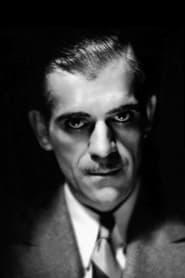
The Monster
Played by Boris Karloff
Tragic creature brought to life, innocent yet feared, seeking connection but met with violence and rejection.
Elizabeth
Played by Mae Clarke
Henry's devoted fiancée who represents normalcy and human connection, trying to bring him back from his obsession.
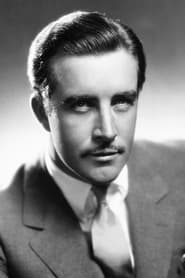
Victor Moritz
Played by John Boles
Henry's friend and Elizabeth's admirer, loyal but concerned about Henry's increasingly dangerous experiments.
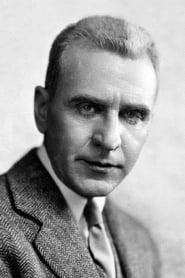
Doctor Waldman
Played by Edward Van Sloan
Henry's former professor who warns against playing God, ultimately trying to destroy the Monster.
Fritz
Played by Dwight Frye
Henry's hunchbacked assistant who procures bodies and mistreats the Monster, contributing to its violent turn.
Structural Analysis
The Status Quo at 1 minutes (1% through the runtime) establishes Henry Frankenstein and his assistant Fritz rob a grave in a cemetery at night, establishing Henry's obsessive quest to create life from death.. Of particular interest, this early placement immediately immerses viewers in the story world.
The inciting incident occurs at 9 minutes when Elizabeth, Victor, and Dr. Waldman decide they must go to Henry's laboratory to confront him and bring him back, disrupting Henry's isolated work.. At 13% through the film, this Disruption is delayed, allowing extended setup of the story world. This beat shifts the emotional landscape, launching the protagonist into the central conflict.
The First Threshold at 18 minutes marks the transition into Act II, occurring at 26% of the runtime. This shows the protagonist's commitment to "It's alive! It's alive!" - Henry successfully animates the creature, crossing the threshold into a new world where he has achieved his god-like ambition of creating life., moving from reaction to action.
At 35 minutes, the Midpoint arrives at 50% of the runtime—precisely centered, creating perfect narrative symmetry. Notably, this crucial beat The creature escapes after killing Dr. Waldman, shifting from contained threat to loose terror. Henry returns home to marry Elizabeth, falsely believing the problem is resolved., fundamentally raising what's at risk. The emotional intensity shifts, dividing the narrative into clear before-and-after phases.
The Collapse moment at 53 minutes (76% through) represents the emotional nadir. Here, The creature drowns little Maria in the lake when she won't float like flowers - the "whiff of death" moment that represents the death of innocence and Henry's naive hope of escaping consequences., indicates the protagonist at their lowest point. This beat's placement in the final quarter sets up the climactic reversal.
The Second Threshold at 56 minutes initiates the final act resolution at 80% of the runtime. Henry organizes the villagers into a hunting party with torches to track and destroy the creature, actively choosing to confront and end what he created., demonstrating the transformation achieved throughout the journey.
Emotional Journey
Frankenstein's emotional architecture traces a deliberate progression across 15 carefully calibrated beats.
Narrative Framework
This structural analysis employs a 15-point narrative structure framework that maps key story moments. By mapping Frankenstein against these established plot points, we can identify how James Whale utilizes or subverts traditional narrative conventions. The plot point approach reveals not only adherence to structural principles but also creative choices that distinguish Frankenstein within the drama genre.
James Whale's Structural Approach
Among the 2 James Whale films analyzed on Arcplot, the average structural score is 7.0, reflecting strong command of classical structure. Frankenstein takes a more unconventional approach compared to the director's typical style. For comparative analysis, explore the complete James Whale filmography.
Comparative Analysis
Additional drama films include After Thomas, South Pacific and Dirty Dancing: Havana Nights. For more James Whale analyses, see The Invisible Man.
Plot Points by Act
Act I
SetupStatus Quo
Henry Frankenstein and his assistant Fritz rob a grave in a cemetery at night, establishing Henry's obsessive quest to create life from death.
Theme
Victor Moritz warns Elizabeth about Henry's dangerous experiments: "He's mad, I tell you, mad!" - stating the theme of the dangerous consequences of playing God.
Worldbuilding
Exposition establishes Henry's obsessive scientific work, his abandonment of his fiancée Elizabeth, and his isolation in the watchtower laboratory with the hunchback Fritz. Dr. Waldman expresses concern about Henry's experiments.
Disruption
Elizabeth, Victor, and Dr. Waldman decide they must go to Henry's laboratory to confront him and bring him back, disrupting Henry's isolated work.
Resistance
The visitors arrive at the watchtower laboratory. Henry resists their pleas to abandon his work, but allows them to witness his experiment. Dr. Waldman represents the voice of reason and scientific ethics.
Act II
ConfrontationFirst Threshold
"It's alive! It's alive!" - Henry successfully animates the creature, crossing the threshold into a new world where he has achieved his god-like ambition of creating life.
Mirror World
The creature is revealed to be uncontrollable and violent, especially after Fritz torments it with fire. This relationship mirrors Henry's abuse of nature and foreshadows consequences.
Premise
Henry attempts to study and control the creature while Dr. Waldman warns of the criminal brain's danger. The creature becomes increasingly violent, kills Fritz, and attacks Henry, forcing Waldman to plan its destruction.
Midpoint
The creature escapes after killing Dr. Waldman, shifting from contained threat to loose terror. Henry returns home to marry Elizabeth, falsely believing the problem is resolved.
Opposition
The creature wanders the countryside as Henry prepares for his wedding. The tension builds as two worlds move toward collision - domestic happiness and monstrous vengeance.
Collapse
The creature drowns little Maria in the lake when she won't float like flowers - the "whiff of death" moment that represents the death of innocence and Henry's naive hope of escaping consequences.
Crisis
Maria's father carries her dead body through the wedding celebration. The village learns of the monster. Henry realizes his creation has destroyed innocent life and must face his responsibility.
Act III
ResolutionSecond Threshold
Henry organizes the villagers into a hunting party with torches to track and destroy the creature, actively choosing to confront and end what he created.
Synthesis
The mob pursues the creature through the mountains. The creature captures Henry and brings him to the windmill. The final confrontation occurs as the windmill burns with the creature inside.
Transformation
Henry recovers at home with Elizabeth and his father, Baron Frankenstein. The household toasts to a future son - domestic order restored, though Henry bears the scars of his transgression.