
Frenzy
London is terrorized by a vicious sex killer known as The Necktie Murderer. Following the brutal slaying of his ex-wife, down-on-his-luck Richard Blaney is suspected by the police of being the killer. He goes on the run, determined to prove his innocence.
Despite its modest budget of $2.0M, Frenzy became a commercial juggernaut, earning $12.6M worldwide—a remarkable 530% return. The film's unconventional structure connected with viewers, demonstrating that strong storytelling can transcend budget limitations.
3 wins & 8 nominations


Plot Structure
Story beats plotted across runtime


Narrative Arc
Emotional journey through the story's key moments
Story Circle
Blueprint 15-beat structure
Arcplot Score Breakdown
Weighted: Precision (70%) + Arc (15%) + Theme (15%)
Frenzy (1972) showcases precise story structure, characteristic of Alfred Hitchcock's storytelling approach. This structural analysis examines how the film's 15-point plot structure maps to proven narrative frameworks across 1 hour and 56 minutes. With an Arcplot score of 6.9, the film balances conventional beats with creative variation.
Characters
Cast & narrative archetypes
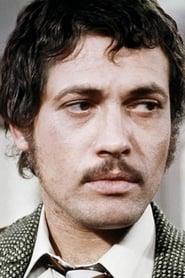
Richard Blaney
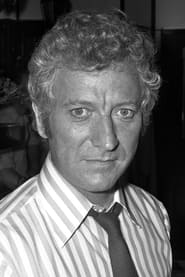
Bob Rusk

Chief Inspector Oxford
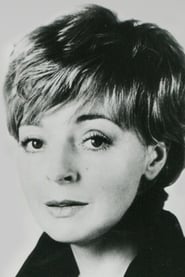
Brenda Blaney
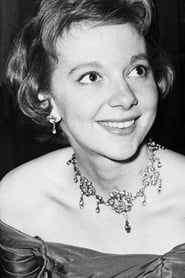
Babs Milligan

Mrs. Oxford
Main Cast & Characters
Richard Blaney
Played by Jon Finch
A down-on-his-luck ex-RAF officer wrongly accused of being the Necktie Murderer. Hottempered and impulsive, his life spirals as evidence mounts against him.
Bob Rusk
Played by Barry Foster
A charming produce merchant at Covent Garden who is secretly the Necktie Murderer. Affable and helpful on the surface, psychopathic underneath.
Chief Inspector Oxford
Played by Alec McCowen
The methodical detective investigating the Necktie murders. Intelligent and persistent, he gradually suspects Blaney may be innocent.
Brenda Blaney
Played by Barbara Leigh-Hunt
Richard's ex-wife who runs a matrimonial agency. Compassionate and still concerned for Richard despite their divorce, she becomes a victim of Rusk.
Babs Milligan
Played by Anna Massey
Richard's girlfriend, a barmaid who remains loyal to him. Sweet-natured and trusting, she becomes endangered by her association with Richard.
Mrs. Oxford
Played by Vivien Merchant
The Chief Inspector's wife who fancies herself a gourmet cook but produces inedible meals. Provides comic relief through domestic scenes.
Structural Analysis
The Status Quo at 1 minutes (1% through the runtime) establishes A politician delivers a speech about cleaning up the Thames as a crowd gathers along the riverbank. The irony cuts deep when a woman's corpse—another victim of the Necktie Murderer—is discovered floating in the water, establishing London as a city gripped by fear.. Of particular interest, this early placement immediately immerses viewers in the story world.
The inciting incident occurs at 14 minutes when Bob Rusk visits Brenda Blaney at her matrimonial agency, revealing himself to be the Necktie Murderer as he rapes and strangles her. Hitchcock's camera retreats down the staircase, leaving the horror to our imagination while sealing Blaney's fate as the prime suspect.. At 12% through the film, this Disruption aligns precisely with traditional story structure. This beat shifts the emotional landscape, launching the protagonist into the central conflict.
The First Threshold at 29 minutes marks the transition into Act II, occurring at 25% of the runtime. This demonstrates the protagonist's commitment to Blaney learns he is wanted for Brenda's murder and makes the fateful decision to run rather than face the police. This choice transforms him from a down-on-his-luck man into a fugitive, launching him into a desperate fight to prove his innocence., moving from reaction to action.
At 58 minutes, the Midpoint arrives at 50% of the runtime—precisely centered, creating perfect narrative symmetry. The analysis reveals that this crucial beat Rusk murders Babs in his apartment, and Hitchcock delivers one of cinema's most chilling sequences: the camera pulls back from Rusk's door, descends the stairs, and exits to the noisy street—a silent scream of a scene. Blaney loses his greatest ally and the evidence against him multiplies., fundamentally raising what's at risk. The emotional intensity shifts, dividing the narrative into clear before-and-after phases.
The Collapse moment at 87 minutes (75% through) represents the emotional nadir. Here, Blaney is sentenced to prison for murders he did not commit. The judge's gavel falls with terrible finality, and Blaney's protestations of innocence echo hollowly in the courtroom. Justice has failed completely, and an innocent man faces life behind bars while the real killer walks free., reveals the protagonist at their lowest point. This beat's placement in the final quarter sets up the climactic reversal.
The Second Threshold at 93 minutes initiates the final act resolution at 80% of the runtime. Inspector Oxford discovers evidence that casts serious doubt on Blaney's guilt and begins to suspect Rusk. Simultaneously, Blaney escapes from prison, determined to confront the man he now knows murdered Brenda and Babs. The truth is finally within reach., demonstrating the transformation achieved throughout the journey.
Emotional Journey
Frenzy's emotional architecture traces a deliberate progression across 15 carefully calibrated beats.
Narrative Framework
This structural analysis employs structural analysis methodology used to understand storytelling architecture. By mapping Frenzy against these established plot points, we can identify how Alfred Hitchcock utilizes or subverts traditional narrative conventions. The plot point approach reveals not only adherence to structural principles but also creative choices that distinguish Frenzy within the drama genre.
Alfred Hitchcock's Structural Approach
Among the 20 Alfred Hitchcock films analyzed on Arcplot, the average structural score is 6.6, demonstrating varied approaches to story architecture. Frenzy represents one of the director's most structurally precise works. For comparative analysis, explore the complete Alfred Hitchcock filmography.
Comparative Analysis
Additional drama films include After Thomas, South Pacific and Dirty Dancing: Havana Nights. For more Alfred Hitchcock analyses, see Family Plot, The Birds and Vertigo.
Plot Points by Act
Act I
SetupStatus Quo
A politician delivers a speech about cleaning up the Thames as a crowd gathers along the riverbank. The irony cuts deep when a woman's corpse—another victim of the Necktie Murderer—is discovered floating in the water, establishing London as a city gripped by fear.
Theme
Pub patrons discuss the Necktie Murderer, speculating about the killer's identity and motives. One character remarks that "he could be any one of us," articulating the film's theme: guilt and innocence are often indistinguishable from the outside.
Worldbuilding
Richard Blaney's troubled world takes shape: he's fired from his pub job for drinking the inventory, visits his successful friend Bob Rusk at Covent Garden, and reconnects with his ex-wife Brenda who runs a matrimonial agency. Blaney is portrayed as hot-tempered and unlucky, but fundamentally decent.
Disruption
Bob Rusk visits Brenda Blaney at her matrimonial agency, revealing himself to be the Necktie Murderer as he rapes and strangles her. Hitchcock's camera retreats down the staircase, leaving the horror to our imagination while sealing Blaney's fate as the prime suspect.
Resistance
The police investigation begins, and circumstantial evidence quickly points to Blaney. His public arguments with Brenda, his known temper, and his presence near the scene make him the obvious suspect. Blaney, unaware of the danger, continues his relationship with barmaid Babs Milligan while Rusk positions himself as a concerned friend.
Act II
ConfrontationFirst Threshold
Blaney learns he is wanted for Brenda's murder and makes the fateful decision to run rather than face the police. This choice transforms him from a down-on-his-luck man into a fugitive, launching him into a desperate fight to prove his innocence.
Mirror World
Babs Milligan emerges as Blaney's loyal ally and lover, hiding him from the police and believing in his innocence. Their relationship embodies the theme of trust and loyalty in a world of deception, providing emotional counterweight to the surrounding darkness.
Premise
A tense game of cat-and-mouse unfolds as Blaney hides in London's underworld while the police tighten their net. Rusk maintains his facade of friendship, even helping Blaney evade capture, all while the audience knows his terrible secret. The dramatic irony builds unbearably as Rusk gets closer to Babs.
Midpoint
Rusk murders Babs in his apartment, and Hitchcock delivers one of cinema's most chilling sequences: the camera pulls back from Rusk's door, descends the stairs, and exits to the noisy street—a silent scream of a scene. Blaney loses his greatest ally and the evidence against him multiplies.
Opposition
The walls close in on Blaney from all sides. Rusk's macabre retrieval of his tie pin from Babs's corpse in a potato truck provides dark comedy, while Blaney is captured, tried, and convicted. Inspector Oxford prosecutes the case, but small doubts begin to form as his wife's amateur detective instincts question the evidence.
Collapse
Blaney is sentenced to prison for murders he did not commit. The judge's gavel falls with terrible finality, and Blaney's protestations of innocence echo hollowly in the courtroom. Justice has failed completely, and an innocent man faces life behind bars while the real killer walks free.
Crisis
In prison, Blaney sinks into despair, consumed by rage at the injustice of his conviction. Meanwhile, Mrs. Oxford's persistent questions about the case details begin to erode her husband's certainty. The inspector starts quietly reinvestigating, following threads that were overlooked.
Act III
ResolutionSecond Threshold
Inspector Oxford discovers evidence that casts serious doubt on Blaney's guilt and begins to suspect Rusk. Simultaneously, Blaney escapes from prison, determined to confront the man he now knows murdered Brenda and Babs. The truth is finally within reach.
Synthesis
Blaney breaks into Rusk's apartment seeking revenge, only to find a woman's body in the bed—Rusk's latest victim. As Blaney stands over the corpse holding a tire iron, Rusk returns. The door opens to reveal Inspector Oxford, who has pieced together the truth and followed the evidence to its source.
Transformation
Oxford catches Rusk dragging a trunk containing another body. With dry wit, Oxford remarks, "Mr. Rusk, you're not wearing your tie." Blaney is vindicated at last, the true killer exposed. The final image restores moral order to a world that had been turned upside down by circumstance and deception.