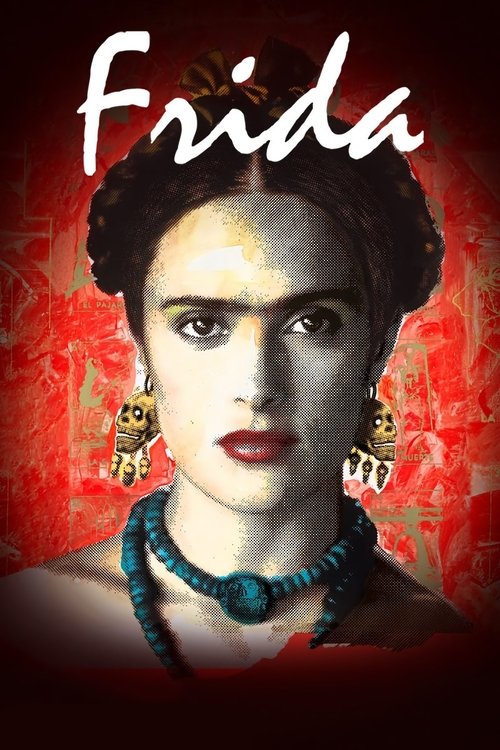
Frida
A biography of artist Frida Kahlo, who channeled the pain of a crippling injury and her tempestuous marriage into her work.
Despite its tight budget of $12.0M, Frida became a commercial success, earning $56.3M worldwide—a 369% return. The film's unique voice connected with viewers, confirming that strong storytelling can transcend budget limitations.
2 Oscars. 17 wins & 47 nominations


Plot Structure
Story beats plotted across runtime


Narrative Arc
Emotional journey through the story's key moments
Story Circle
Blueprint 15-beat structure
Arcplot Score Breakdown
Weighted: Precision (70%) + Arc (15%) + Theme (15%)
Frida (2002) demonstrates precise story structure, characteristic of Julie Taymor's storytelling approach. This structural analysis examines how the film's 15-point plot structure maps to proven narrative frameworks across 2 hours and 3 minutes. With an Arcplot score of 7.3, the film balances conventional beats with creative variation.
Characters
Cast & narrative archetypes

Frida Kahlo
Diego Rivera
Cristina Kahlo
Guillermo Kahlo
Tina Modotti
David Alfaro Siqueiros
Leon Trotsky
Natalia Trotsky
Lupe Marín
Main Cast & Characters
Frida Kahlo
Played by Salma Hayek
Mexican painter known for self-portraits exploring identity, pain, and passion. Survives devastating injuries to become one of Mexico's most iconic artists.
Diego Rivera
Played by Alfred Molina
Renowned Mexican muralist and Frida's husband. A larger-than-life personality whose infidelities and political passion both inspire and torment Frida.
Cristina Kahlo
Played by Mía Maestro
Frida's younger sister and confidante. Their relationship is tested by betrayal but ultimately endures.
Guillermo Kahlo
Played by Roger Rees
Frida's father, a German-Hungarian photographer who encourages her artistic development and shares a special bond with her.
Tina Modotti
Played by Ashley Judd
Italian photographer, political activist, and Frida's close friend who introduces her to Diego and the artistic community.
David Alfaro Siqueiros
Played by Antonio Banderas
Mexican muralist and political revolutionary, part of Diego's artistic circle and a committed communist activist.
Leon Trotsky
Played by Geoffrey Rush
Exiled Russian revolutionary who has an affair with Frida while living in Mexico under Diego's protection.
Natalia Trotsky
Played by Patricia Reyes Spíndola
Leon Trotsky's wife who discovers his affair with Frida, causing pain and tension in the household.
Lupe Marín
Played by Valeria Golino
Diego Rivera's second wife and mother of his children, a fiery presence who warns Frida about Diego's nature.
Structural Analysis
The Status Quo at 1 minutes (1% through the runtime) establishes Young Frida Kahlo is a vibrant, spirited student in 1920s Mexico City, full of life and political passion, watching Diego Rivera paint his murals.. The analysis reveals that this early placement immediately immerses viewers in the story world.
The inciting incident occurs at 14 minutes when The devastating bus accident that impales Frida, shattering her spine and pelvis. Her vibrant life is destroyed in an instant.. At 11% through the film, this Disruption aligns precisely with traditional story structure. This beat shifts the emotional landscape, launching the protagonist into the central conflict.
The First Threshold at 30 minutes marks the transition into Act II, occurring at 25% of the runtime. This reveals the protagonist's commitment to Frida actively chooses to pursue art seriously, bringing her paintings to Diego Rivera and boldly asking for his honest opinion. She enters the world of professional artistry., moving from reaction to action.
At 63 minutes, the Midpoint arrives at 51% of the runtime—precisely centered, creating perfect narrative symmetry. Significantly, this crucial beat False defeat: Frida discovers Diego's affair with her sister Cristina. The betrayal raises stakes and transforms their relationship dynamic. The fun and games are over., fundamentally raising what's at risk. The emotional intensity shifts, dividing the narrative into clear before-and-after phases.
The Collapse moment at 91 minutes (74% through) represents the emotional nadir. Here, Frida's health collapses catastrophically. Her leg must be amputated. She faces the death of her physical body and the loss of her already compromised mobility and independence., shows the protagonist at their lowest point. This beat's placement in the final quarter sets up the climactic reversal.
The Second Threshold at 98 minutes initiates the final act resolution at 80% of the runtime. Frida receives news that she'll have her first solo exhibition in Mexico. She synthesizes her pain into purpose, realizing her art transcends her suffering and creates her legacy., demonstrating the transformation achieved throughout the journey.
Emotional Journey
Frida's emotional architecture traces a deliberate progression across 15 carefully calibrated beats.
Narrative Framework
This structural analysis employs proven narrative structure principles that track dramatic progression. By mapping Frida against these established plot points, we can identify how Julie Taymor utilizes or subverts traditional narrative conventions. The plot point approach reveals not only adherence to structural principles but also creative choices that distinguish Frida within the drama genre.
Julie Taymor's Structural Approach
Among the 2 Julie Taymor films analyzed on Arcplot, the average structural score is 7.3, reflecting strong command of classical structure. Frida represents one of the director's most structurally precise works. For comparative analysis, explore the complete Julie Taymor filmography.
Comparative Analysis
Additional drama films include After Thomas, South Pacific and Dirty Dancing: Havana Nights. For more Julie Taymor analyses, see Across the Universe.
Plot Points by Act
Act I
SetupStatus Quo
Young Frida Kahlo is a vibrant, spirited student in 1920s Mexico City, full of life and political passion, watching Diego Rivera paint his murals.
Theme
Frida's father tells her about seeing through the camera lens differently - foreshadowing themes of perspective, art as truth, and seeing beauty in suffering.
Worldbuilding
Establishment of Frida's world: her political activism, relationship with her family, her intelligence and rebellious nature, and the vibrant Mexican cultural renaissance.
Disruption
The devastating bus accident that impales Frida, shattering her spine and pelvis. Her vibrant life is destroyed in an instant.
Resistance
Frida's painful recovery in bed, learning to paint while confined. Her father gives her a mirror and easel. She resists the new reality but begins to find expression through art.
Act II
ConfrontationFirst Threshold
Frida actively chooses to pursue art seriously, bringing her paintings to Diego Rivera and boldly asking for his honest opinion. She enters the world of professional artistry.
Mirror World
Diego Rivera becomes Frida's romantic interest and artistic mirror. He represents both her creative counterpart and the thematic tension between love and art, devotion and independence.
Premise
The promise of the premise: Frida and Diego's passionate romance, their marriage, artistic collaboration, political activism, and exploration of their unconventional relationship.
Midpoint
False defeat: Frida discovers Diego's affair with her sister Cristina. The betrayal raises stakes and transforms their relationship dynamic. The fun and games are over.
Opposition
Frida and Diego's relationship deteriorates. Her pain intensifies physically and emotionally. They divorce. Frida has affairs, battles her health, and struggles with identity beyond Diego.
Collapse
Frida's health collapses catastrophically. Her leg must be amputated. She faces the death of her physical body and the loss of her already compromised mobility and independence.
Crisis
Frida processes her darkest despair. She contemplates what remains when the body fails. Her art becomes her only truth and salvation.
Act III
ResolutionSecond Threshold
Frida receives news that she'll have her first solo exhibition in Mexico. She synthesizes her pain into purpose, realizing her art transcends her suffering and creates her legacy.
Synthesis
Frida attends her exhibition on her deathbed, carried in. She celebrates her art and life with Diego by her side. She resolves the tension between suffering and creation.
Transformation
Final image mirrors the opening: Frida painted in her bed, but now transformed through art into immortality. Her final painting and words affirm life despite suffering.