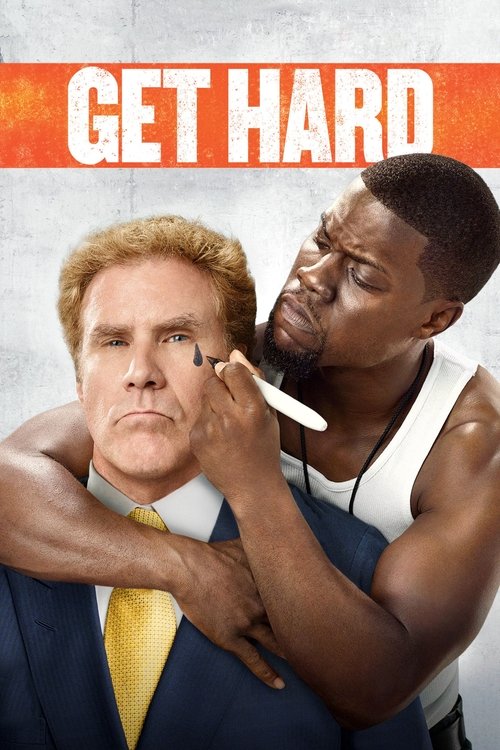
Get Hard
When obscenely rich hedge-fund manager James is convicted of fraud and sentenced to a stretch in San Quentin, the judge gives him one month to get his affairs in order. Knowing that he won't survive more than a few minutes in prison on his own, James desperately turns to Darnell-- a black businessman who's never even had a parking ticket -- for help. As Darnell puts James through the wringer, both learn that they were wrong about many things, including each other.
Despite a mid-range budget of $40.0M, Get Hard became a solid performer, earning $111.8M worldwide—a 180% return.


Plot Structure
Story beats plotted across runtime


Narrative Arc
Emotional journey through the story's key moments
Story Circle
Blueprint 15-beat structure
Arcplot Score Breakdown
Weighted: Precision (70%) + Arc (15%) + Theme (15%)
Get Hard (2015) showcases meticulously timed narrative design, characteristic of Etan Cohen's storytelling approach. This structural analysis examines how the film's 15-point plot structure maps to proven narrative frameworks across 1 hour and 40 minutes. With an Arcplot score of 7.1, the film balances conventional beats with creative variation.
Characters
Cast & narrative archetypes

James King
Darnell Lewis
Martin Barrow
Alissa King
Rita Lewis
Main Cast & Characters
James King
Played by Will Ferrell
Wealthy hedge fund manager who is falsely convicted of fraud and embezzlement, desperately seeking preparation for prison.
Darnell Lewis
Played by Kevin Hart
Hardworking car wash entrepreneur who reluctantly agrees to help James prepare for prison despite never having been incarcerated.
Martin Barrow
Played by Craig T. Nelson
James's wealthy boss and future father-in-law who is the actual criminal mastermind behind the fraud scheme.
Alissa King
Played by Alison Brie
James's superficial fiancée who is complicit in her father's scheme and only interested in wealth and status.
Rita Lewis
Played by Edwina Findley
Darnell's supportive wife who wants a better life for their daughter and is skeptical of James's arrangement.
Structural Analysis
The Status Quo at 1 minutes (1% through the runtime) establishes James King lives a privileged life as a successful investment banker, arriving at work in luxury, beloved by colleagues, completely insulated from reality in his wealth bubble.. Of particular interest, this early placement immediately immerses viewers in the story world.
The inciting incident occurs at 11 minutes when James is arrested at his engagement party for fraud and embezzlement. His perfect life shatters instantly as he's publicly humiliated and faces ten years in San Quentin prison.. At 11% through the film, this Disruption aligns precisely with traditional story structure. This beat shifts the emotional landscape, launching the protagonist into the central conflict.
The First Threshold at 23 minutes marks the transition into Act II, occurring at 23% of the runtime. This illustrates the protagonist's commitment to Darnell accepts James's offer of $30,000 to train him for prison (despite never having been incarcerated). Both men actively choose to enter this arrangement, launching Act 2., moving from reaction to action.
At 49 minutes, the Midpoint arrives at 49% of the runtime—precisely centered, creating perfect narrative symmetry. Notably, this crucial beat James attempts to join a gang for prison protection, leading to a disastrous encounter at a restaurant that exposes how unprepared he truly is. The false victory of "training" collapses into reality. Stakes raise significantly., fundamentally raising what's at risk. The emotional intensity shifts, dividing the narrative into clear before-and-after phases.
The Collapse moment at 70 minutes (70% through) represents the emotional nadir. Here, Darnell reveals he was never in prison and has been faking everything. James feels utterly betrayed and abandoned. His trust is shattered, and with days left before prison, he has nothing and no one. Total emotional collapse., demonstrates the protagonist at their lowest point. This beat's placement in the final quarter sets up the climactic reversal.
The Second Threshold at 77 minutes initiates the final act resolution at 77% of the runtime. James realizes Darnell actually taught him something real: courage and authenticity. They reconcile and devise a plan to prove James's innocence by breaking into Martin's yacht to find evidence. New clarity enables the final act., demonstrating the transformation achieved throughout the journey.
Emotional Journey
Get Hard's emotional architecture traces a deliberate progression across 15 carefully calibrated beats.
Narrative Framework
This structural analysis employs systematic plot point analysis that identifies crucial turning points. By mapping Get Hard against these established plot points, we can identify how Etan Cohen utilizes or subverts traditional narrative conventions. The plot point approach reveals not only adherence to structural principles but also creative choices that distinguish Get Hard within the comedy genre.
Etan Cohen's Structural Approach
Among the 2 Etan Cohen films analyzed on Arcplot, the average structural score is 7.0, reflecting strong command of classical structure. Get Hard represents one of the director's most structurally precise works. For comparative analysis, explore the complete Etan Cohen filmography.
Comparative Analysis
Additional comedy films include The Bad Guys, Ella Enchanted and The Evening Star. For more Etan Cohen analyses, see Holmes & Watson.
Plot Points by Act
Act I
SetupStatus Quo
James King lives a privileged life as a successful investment banker, arriving at work in luxury, beloved by colleagues, completely insulated from reality in his wealth bubble.
Theme
Darnell tells his daughter about working hard and being authentic: "You can't fake who you are." This establishes the film's central theme about authenticity versus performance.
Worldbuilding
We see James's superficial world of wealth and Darnell's struggling car wash business. James proposes to Alissa. The contrast between James's oblivious privilege and Darnell's hard work is established.
Disruption
James is arrested at his engagement party for fraud and embezzlement. His perfect life shatters instantly as he's publicly humiliated and faces ten years in San Quentin prison.
Resistance
James insists on his innocence but can't fight the charges. Convicted and sentenced, he's given 30 days before prison. In desperation and guided by racist assumptions, he approaches Darnell (assuming he's been to prison) to teach him how to survive.
Act II
ConfrontationFirst Threshold
Darnell accepts James's offer of $30,000 to train him for prison (despite never having been incarcerated). Both men actively choose to enter this arrangement, launching Act 2.
Mirror World
Darnell brings James to his modest home and family, introducing the world of authenticity, hard work, and genuine relationships that will teach James what he truly needs.
Premise
The "prison training" montage delivers the comedy promised by the premise. James undergoes humiliating and absurd preparation including yard scenarios, cafeteria fights, and bathroom survival. Stereotypes are both exploited and subverted.
Midpoint
James attempts to join a gang for prison protection, leading to a disastrous encounter at a restaurant that exposes how unprepared he truly is. The false victory of "training" collapses into reality. Stakes raise significantly.
Opposition
Darnell pushes James harder while trying to find out who actually framed him. They investigate Martin (James's boss) and Alissa. Pressure mounts as the prison date approaches. James's incompetence and privilege repeatedly cause problems.
Collapse
Darnell reveals he was never in prison and has been faking everything. James feels utterly betrayed and abandoned. His trust is shattered, and with days left before prison, he has nothing and no one. Total emotional collapse.
Crisis
James spirals in despair and anger. Both men confront their failures—James his willful blindness, Darnell his deception. The dark night where both must decide who they really want to be.
Act III
ResolutionSecond Threshold
James realizes Darnell actually taught him something real: courage and authenticity. They reconcile and devise a plan to prove James's innocence by breaking into Martin's yacht to find evidence. New clarity enables the final act.
Synthesis
James and Darnell execute an elaborate yacht heist. James uses his financial knowledge (old skills) combined with newfound courage (Mirror World lesson). They expose Martin and Alissa as the real criminals, clearing James's name.
Transformation
James, now humble and authentic, helps fund Darnell's car wash expansion. The closing image shows both men transformed: James stripped of false privilege, Darnell empowered. Real friendship replaces transactional relationship.