Get Shorty
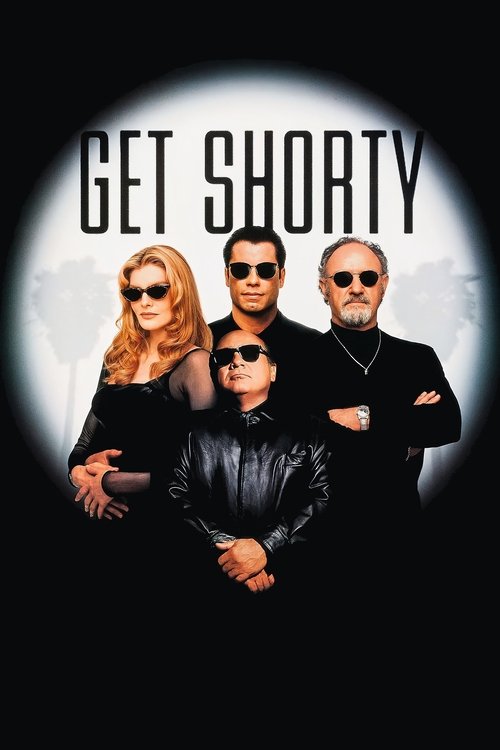
Chili Palmer is a Miami mobster who gets sent to L.A. to collect a bad debt from Harry Zimm, a Hollywood producer who specializes in cheesy horror films. When Chili meets Harry's leading lady, the romantic sparks fly. After pitching his own life story as a movie idea, Chili learns that being a mobster and being a Hollywood producer really aren't all that different.
Despite a respectable budget of $30.3M, Get Shorty became a financial success, earning $115.1M worldwide—a 281% return.
6 wins & 16 nominations


Plot Structure
Story beats plotted across runtime


Narrative Arc
Emotional journey through the story's key moments
Story Circle
Blueprint 15-beat structure
Arcplot Score Breakdown
Weighted: Precision (70%) + Arc (15%) + Theme (15%)
Get Shorty (1995) demonstrates carefully calibrated narrative architecture, characteristic of Barry Sonnenfeld's storytelling approach. This structural analysis examines how the film's 15-point plot structure maps to proven narrative frameworks across 1 hour and 45 minutes. With an Arcplot score of 7.3, the film balances conventional beats with creative variation.
Characters
Cast & narrative archetypes

Chili Palmer
Harry Zimm
Karen Flores
Bo Catlett
Ray "Bones" Barboni
Martin Weir
Bear
Main Cast & Characters
Chili Palmer
Played by John Travolta
A Miami loan shark who travels to LA to collect a debt and falls in love with the movie business, using his street smarts to navigate Hollywood.
Harry Zimm
Played by Gene Hackman
A struggling B-movie producer desperate for a hit, who becomes both collaborator and pawn in Chili's Hollywood schemes.
Karen Flores
Played by Rene Russo
A former scream queen actress and Harry's ex-wife who becomes romantically involved with Chili while trying to revive her career.
Bo Catlett
Played by Delroy Lindo
A smooth-talking drug dealer and limo company owner who tries to muscle into Harry's film production with violent intentions.
Ray "Bones" Barboni
Played by Dennis Farina
A violent, volatile Miami mobster who comes to LA hunting Chili, representing the criminal world Chili is leaving behind.
Martin Weir
Played by Danny DeVito
A vain, self-absorbed A-list movie star whose involvement in the film project becomes crucial to getting it made.
Bear
Played by James Gandolfini
Bo Catlett's massive, intimidating enforcer who uses violence and threats to achieve his boss's goals.
Structural Analysis
The Status Quo at 1 minutes (1% through the runtime) establishes Chili Palmer, a Miami loan shark, coolly collects debts with professional charm and controlled menace. He's a smooth operator in a dead-end world, knowledgeable about movies but stuck in the mob life.. The analysis reveals that this early placement immediately immerses viewers in the story world.
The inciting incident occurs at 12 minutes when Chili is assigned to collect a debt from dry cleaner Leo Devoe in Las Vegas, who faked his death in a plane crash and collected insurance money. This mundane assignment becomes the catalyst that will take Chili to Los Angeles and into the movie business.. At 12% through the film, this Disruption aligns precisely with traditional story structure. This beat shifts the emotional landscape, launching the protagonist into the central conflict.
The First Threshold at 26 minutes marks the transition into Act II, occurring at 25% of the runtime. This reveals the protagonist's commitment to Chili walks into Harry Zimm's house uninvited and pitches himself and his life story as movie material. "I'm thinking you could use a guy like me." This is his active choice to enter the movie world—not just visit it, but participate in it., moving from reaction to action.
At 51 minutes, the Midpoint arrives at 49% of the runtime—precisely centered, creating perfect narrative symmetry. The analysis reveals that this crucial beat False victory: Martin Weir shows interest in Harry's movie project with Chili's life story. Everything seems to be coming together—Chili is succeeding in Hollywood, getting closer to Karen, and his movie dreams might come true. But the stakes raise: his two worlds are about to collide., fundamentally raising what's at risk. The emotional intensity shifts, dividing the narrative into clear before-and-after phases.
The Collapse moment at 77 minutes (74% through) represents the emotional nadir. Here, Bones murders Harry's associate and threatens to destroy everything. The movie deal is falling apart as the violence from Chili's old world invades his new life. Karen sees the danger he brings. Chili faces the reality that he may not be able to escape who he was—his past is literally killing his future., shows the protagonist at their lowest point. This beat's placement in the final quarter sets up the climactic reversal.
The Second Threshold at 83 minutes initiates the final act resolution at 79% of the runtime. Chili realizes the synthesis: he can use his authentic self—his street smarts, his cool competence, his understanding of human nature—in the movie business without the violence. He doesn't need to be a different person; he needs to apply his skills to a better purpose. He formulates a plan to resolve all conflicts., demonstrating the transformation achieved throughout the journey.
Emotional Journey
Get Shorty's emotional architecture traces a deliberate progression across 15 carefully calibrated beats.
Narrative Framework
This structural analysis employs proven narrative structure principles that track dramatic progression. By mapping Get Shorty against these established plot points, we can identify how Barry Sonnenfeld utilizes or subverts traditional narrative conventions. The plot point approach reveals not only adherence to structural principles but also creative choices that distinguish Get Shorty within the comedy genre.
Barry Sonnenfeld's Structural Approach
Among the 10 Barry Sonnenfeld films analyzed on Arcplot, the average structural score is 7.2, reflecting strong command of classical structure. Get Shorty represents one of the director's most structurally precise works. For comparative analysis, explore the complete Barry Sonnenfeld filmography.
Comparative Analysis
Additional comedy films include The Bad Guys, Ella Enchanted and The Evening Star. For more Barry Sonnenfeld analyses, see Addams Family Values, Nine Lives and RV.
Plot Points by Act
Act I
SetupStatus Quo
Chili Palmer, a Miami loan shark, coolly collects debts with professional charm and controlled menace. He's a smooth operator in a dead-end world, knowledgeable about movies but stuck in the mob life.
Theme
Early conversation about movies and authenticity: "That's not how it works in real life." The film's theme explores the intersection of Hollywood fantasy and street reality, asking whether you can reinvent yourself by changing worlds.
Worldbuilding
Establishment of Chili's world as a competent mob enforcer in Miami. His boss Momo dies, and new boss Ray "Bones" Barboni takes over. Tension builds as Bones disrespects Chili, breaking his professional code. We see Chili's encyclopedic movie knowledge and natural storytelling ability.
Disruption
Chili is assigned to collect a debt from dry cleaner Leo Devoe in Las Vegas, who faked his death in a plane crash and collected insurance money. This mundane assignment becomes the catalyst that will take Chili to Los Angeles and into the movie business.
Resistance
Chili tracks Leo to Las Vegas, then to Los Angeles. He debates whether to stay in the mob world or explore this new possibility. He discovers Leo gambled the insurance money away to a casino owned by mobster Dick Allen, who also has Vegas markers on B-movie producer Harry Zimm. Chili sees an opportunity.
Act II
ConfrontationFirst Threshold
Chili walks into Harry Zimm's house uninvited and pitches himself and his life story as movie material. "I'm thinking you could use a guy like me." This is his active choice to enter the movie world—not just visit it, but participate in it.
Mirror World
Chili meets Karen Flores, a scream queen actress looking for serious roles. She represents the authentic person trapped in a phony world—the mirror to Chili's journey. Their attraction is immediate, and she becomes the thematic relationship that will teach him about reinvention and authenticity.
Premise
The "fun and games" of a mobster in Hollywood. Chili navigates movie industry absurdities while maintaining his cool mob expertise. He helps Harry pitch to studio exec Martin Weir, handles various hustlers and lowlifes, and discovers he's a natural at the movie business. His street skills translate perfectly to Hollywood dealmaking.
Midpoint
False victory: Martin Weir shows interest in Harry's movie project with Chili's life story. Everything seems to be coming together—Chili is succeeding in Hollywood, getting closer to Karen, and his movie dreams might come true. But the stakes raise: his two worlds are about to collide.
Opposition
Complications multiply. Ray Bones arrives in LA looking for Chili, violent and unpredictable. Harry's drug dealer investor Bo Catlett wants in on the movie. Multiple hustlers and criminals converge, all trying to manipulate each other. Chili must juggle mob threats, Hollywood egos, romantic interest in Karen, and keeping the movie deal alive.
Collapse
Bones murders Harry's associate and threatens to destroy everything. The movie deal is falling apart as the violence from Chili's old world invades his new life. Karen sees the danger he brings. Chili faces the reality that he may not be able to escape who he was—his past is literally killing his future.
Crisis
Chili wrestles with the darkness of his situation. He must confront whether he's really changed or just playing a role. Can a loan shark become a producer, or is he still just a criminal in a different suit? The violence has followed him, and he must take responsibility.
Act III
ResolutionSecond Threshold
Chili realizes the synthesis: he can use his authentic self—his street smarts, his cool competence, his understanding of human nature—in the movie business without the violence. He doesn't need to be a different person; he needs to apply his skills to a better purpose. He formulates a plan to resolve all conflicts.
Synthesis
Chili orchestrates the finale with movie-like precision. He outmaneuvers Bo Catlett, handles Bones with controlled menace (using his skills without becoming a killer), and protects the people he cares about. He proves he can navigate both worlds—using mob expertise without mob violence. The movie deal comes together legitimately.
Transformation
Final image mirrors the opening but transformed: Chili is still cool and competent, but now he's a movie producer with Karen by his side, optioning the story of what just happened. He's found authentic reinvention—not by pretending to be someone else, but by being himself in a world where storytelling matters more than violence.