
Getting Straight
Harry Bailey has returned from Vietnam and returns to college to earn his masters degree so he can teach English. He is considered a hero among the radical student body, but still sees the absurdity on both sides of the fence. He contends with the reactionary administration and the impetuous, often futile objectives of the restless students. He acts as a mediator between the two feuding bodies. On top of everything else, his girlfriend Jan wants to marry him and live a life in the suburbs. He is cornered and finally lets loose at his own masters degree dissertation meeting, just as the latest protest heats up.
The film earned $13.3M at the global box office.


Plot Structure
Story beats plotted across runtime


Narrative Arc
Emotional journey through the story's key moments
Story Circle
Blueprint 15-beat structure
Arcplot Score Breakdown
Weighted: Precision (70%) + Arc (15%) + Theme (15%)
Getting Straight (1970) exhibits deliberately positioned narrative design, characteristic of Richard Rush's storytelling approach. This structural analysis examines how the film's 15-point plot structure maps to proven narrative frameworks across 2 hours and 4 minutes. With an Arcplot score of 6.7, the film balances conventional beats with creative variation.
Characters
Cast & narrative archetypes
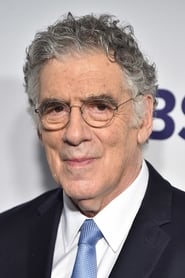
Harry Bailey

Jan
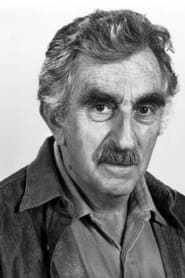
Dr. Willhunt
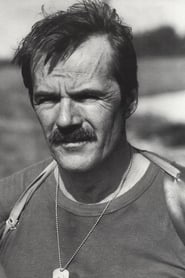
Nick
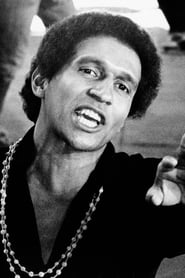
Lysander

Judy Kramer

Ellis
Main Cast & Characters
Harry Bailey
Played by Elliott Gould
Vietnam veteran returning to graduate school, navigating the culture clash between his ideals and the changing campus politics of the late 1960s.
Jan
Played by Candice Bergen
Harry's girlfriend, a free-spirited student activist caught between her political commitments and her relationship with Harry.
Dr. Willhunt
Played by Jeff Corey
Conservative English professor who serves as Harry's thesis advisor and represents the academic establishment.
Nick
Played by Robert F. Lyons
Harry's friend and fellow graduate student, more cynical and pragmatic about navigating the academic system.
Lysander
Played by Max Julien
Radical student activist who represents the extreme end of campus protest culture.
Judy Kramer
Played by Jeannie Berlin
Student who becomes romantically interested in Harry, adding to his personal complications.
Ellis
Played by Harrison Ford
Harry's friend who has embraced the counterculture lifestyle more fully.
Structural Analysis
The Status Quo at 1 minutes (1% through the runtime) establishes Harry Bailey arrives on the bustling university campus, a cynical Vietnam veteran returning to academia to earn his teaching credential, already showing signs of conflict with institutional conformity.. Of particular interest, this early placement immediately immerses viewers in the story world.
The inciting incident occurs at 15 minutes when Harry learns his path to a teaching credential requires him to pass an oral examination before a committee of conservative professors who expect conformity to their academic views.. At 12% through the film, this Disruption aligns precisely with traditional story structure. This beat shifts the emotional landscape, launching the protagonist into the central conflict.
The First Threshold at 31 minutes marks the transition into Act II, occurring at 25% of the runtime. This reveals the protagonist's commitment to Harry commits fully to pursuing his degree, deciding he'll navigate the system his own way while maintaining his relationship with Jan and his teaching responsibilities., moving from reaction to action.
At 62 minutes, the Midpoint arrives at 50% of the runtime—precisely centered, creating perfect narrative symmetry. Notably, this crucial beat Campus protests intensify as students clash with administration. Harry finds himself caught between the activist students and the establishment he's trying to join, his dual identity becoming untenable., fundamentally raising what's at risk. The emotional intensity shifts, dividing the narrative into clear before-and-after phases.
The Collapse moment at 93 minutes (75% through) represents the emotional nadir. Here, Harry's relationship with Jan reaches a breaking point as she confronts him about his inability to commit to anything real, while the campus erupts into violent protest. His carefully balanced act collapses., shows the protagonist at their lowest point. This beat's placement in the final quarter sets up the climactic reversal.
The Second Threshold at 99 minutes initiates the final act resolution at 80% of the runtime. When a professor insists that F. Scott Fitzgerald was homosexual as a test of conformity, Harry realizes he can no longer pretend to agree with academic absurdity. He chooses authenticity over the credential., demonstrating the transformation achieved throughout the journey.
Emotional Journey
Getting Straight's emotional architecture traces a deliberate progression across 15 carefully calibrated beats.
Narrative Framework
This structural analysis employs systematic plot point analysis that identifies crucial turning points. By mapping Getting Straight against these established plot points, we can identify how Richard Rush utilizes or subverts traditional narrative conventions. The plot point approach reveals not only adherence to structural principles but also creative choices that distinguish Getting Straight within the comedy genre.
Richard Rush's Structural Approach
Among the 2 Richard Rush films analyzed on Arcplot, the average structural score is 6.8, demonstrating varied approaches to story architecture. Getting Straight takes a more unconventional approach compared to the director's typical style. For comparative analysis, explore the complete Richard Rush filmography.
Comparative Analysis
Additional comedy films include The Bad Guys, Ella Enchanted and The Evening Star. For more Richard Rush analyses, see Color of Night.
Plot Points by Act
Act I
SetupStatus Quo
Harry Bailey arrives on the bustling university campus, a cynical Vietnam veteran returning to academia to earn his teaching credential, already showing signs of conflict with institutional conformity.
Theme
A fellow student remarks about the impossibility of changing the system from within while remaining unchanged yourself, articulating the film's central tension between authenticity and institutional survival.
Worldbuilding
Harry navigates campus bureaucracy, reconnects with girlfriend Jan, and establishes relationships with fellow students and faculty. The late-1960s counterculture atmosphere and growing campus unrest are established.
Disruption
Harry learns his path to a teaching credential requires him to pass an oral examination before a committee of conservative professors who expect conformity to their academic views.
Resistance
Harry debates whether to play the academic game or stay true to his beliefs. He juggles teaching assistant duties, navigates relationships with various women, and observes the growing student protest movement.
Act II
ConfrontationFirst Threshold
Harry commits fully to pursuing his degree, deciding he'll navigate the system his own way while maintaining his relationship with Jan and his teaching responsibilities.
Mirror World
Harry's deepening relationship with Jan reveals the thematic counterpoint: she represents genuine connection and emotional honesty that contrasts with the performative games Harry plays in academia.
Premise
Harry experiences the comedy and absurdity of academic life: teaching classes, sparring with professors, juggling romantic entanglements, and trying to maintain his countercultural identity within institutional constraints.
Midpoint
Campus protests intensify as students clash with administration. Harry finds himself caught between the activist students and the establishment he's trying to join, his dual identity becoming untenable.
Opposition
Pressure mounts from all sides: professors question his commitment, Jan grows frustrated with his evasiveness, student radicals demand he pick a side, and his oral exam approaches with high stakes.
Collapse
Harry's relationship with Jan reaches a breaking point as she confronts him about his inability to commit to anything real, while the campus erupts into violent protest. His carefully balanced act collapses.
Crisis
Harry faces his oral examination committee as chaos engulfs the campus outside. He sits before the professors, contemplating whether to give them the safe answers they expect or speak his truth.
Act III
ResolutionSecond Threshold
When a professor insists that F. Scott Fitzgerald was homosexual as a test of conformity, Harry realizes he can no longer pretend to agree with academic absurdity. He chooses authenticity over the credential.
Synthesis
Harry spectacularly rebels during his oral exam, refusing to parrot back meaningless interpretations. He storms out, joins the student protest, and finally commits fully to his authentic self rather than institutional approval.
Transformation
Harry and Jan reunite amid the campus chaos, kissing as tear gas swirls around them. He has chosen love, authenticity, and solidarity with the students over the empty credential he was pursuing.