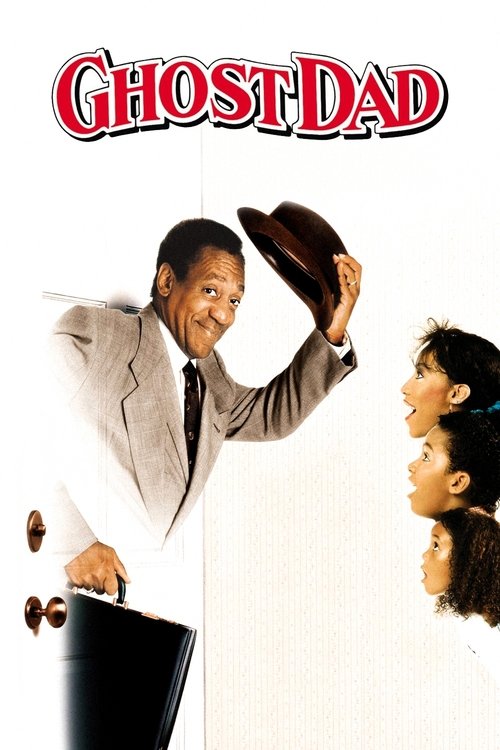
Ghost Dad
Elliot Hopper, a widower with three children, is working on a business deal to get his family out of financial straits when he is suddenly killed in a taxi accident. With the aid of a paranormal researcher, Elliott attempts to complete the deal from the beyond, ensuring his family will be taken care of.
The film underperformed commercially against its respectable budget of $30.0M, earning $25.4M globally (-15% loss).


Plot Structure
Story beats plotted across runtime


Narrative Arc
Emotional journey through the story's key moments
Story Circle
Blueprint 15-beat structure
Arcplot Score Breakdown
Weighted: Precision (70%) + Arc (15%) + Theme (15%)
Ghost Dad (1990) showcases strategically placed dramatic framework, characteristic of Sidney Poitier's storytelling approach. This structural analysis examines how the film's 15-point plot structure maps to proven narrative frameworks across 1 hour and 24 minutes. With an Arcplot score of 6.7, the film balances conventional beats with creative variation.
Characters
Cast & narrative archetypes

Elliot Hopper
Diane Hopper
Joan
Danny Hopper
Amanda Hopper
Sir Edith Moser
Curtis Burch
Main Cast & Characters
Elliot Hopper
Played by Bill Cosby
A widowed father and workaholic executive who dies in a taxi accident but returns as a ghost to protect his three children and close an important business deal before passing on.
Diane Hopper
Played by Kimberly Russell
Elliot's eldest daughter, a responsible teenager who must step up as the family anchor when her father becomes a ghost.
Joan
Played by Denise Nicholas
Elliot's business associate and potential love interest who helps him complete his final business deal while unknowingly interacting with a ghost.
Danny Hopper
Played by Omar Gooding
Elliot's young son, curious and playful, who adapts to his father's ghostly condition with childlike wonder.
Amanda Hopper
Played by Salim Grant
The youngest Hopper child, sweet and innocent, who maintains a loving connection with her ghostly father.
Sir Edith Moser
Played by Ian Bannen
An eccentric British psychic who helps Elliot understand his ghostly abilities and guides him through his supernatural predicament.
Curtis Burch
Played by Barry Corbin
Elliot's unscrupulous business rival who attempts to sabotage his deal and take advantage of his mysterious absence.
Structural Analysis
The Status Quo at 1 minutes (1% through the runtime) establishes Elliot Hopper is an overworked widowed father of three, struggling to balance his demanding career as an executive while raising his children alone and preparing for a crucial business presentation.. The analysis reveals that this early placement immediately immerses viewers in the story world.
The inciting incident occurs at 10 minutes when Elliot gets into a taxi driven by a Satanic cult member. The driver takes him on a terrifying high-speed ride that ends with the taxi going off a bridge, apparently killing Elliot.. At 12% through the film, this Disruption aligns precisely with traditional story structure. This beat shifts the emotional landscape, launching the protagonist into the central conflict.
The First Threshold at 21 minutes marks the transition into Act II, occurring at 25% of the runtime. This reveals the protagonist's commitment to Elliot decides he must continue with his business deal and protect his children from losing him, actively choosing to navigate the world as a ghost rather than accept death., moving from reaction to action.
At 42 minutes, the Midpoint arrives at 50% of the runtime—precisely centered, creating perfect narrative symmetry. Notably, this crucial beat Elliot realizes his time is running out faster than expected, and his business partner may be trying to cheat his family. The stakes raise as both his afterlife and his children's future are threatened., fundamentally raising what's at risk. The emotional intensity shifts, dividing the narrative into clear before-and-after phases.
The Collapse moment at 63 minutes (75% through) represents the emotional nadir. Here, Elliot begins to fade completely and faces the reality that he will die and leave his children orphaned. He hits his lowest point, realizing he may lose everything without being able to say goodbye., demonstrates the protagonist at their lowest point. This beat's placement in the final quarter sets up the climactic reversal.
The Second Threshold at 67 minutes initiates the final act resolution at 80% of the runtime. Elliot realizes he must reveal the truth to his children and trust them with his situation. He understands that being present emotionally matters more than protecting them from pain., demonstrating the transformation achieved throughout the journey.
Emotional Journey
Ghost Dad's emotional architecture traces a deliberate progression across 15 carefully calibrated beats.
Narrative Framework
This structural analysis employs a 15-point narrative structure framework that maps key story moments. By mapping Ghost Dad against these established plot points, we can identify how Sidney Poitier utilizes or subverts traditional narrative conventions. The plot point approach reveals not only adherence to structural principles but also creative choices that distinguish Ghost Dad within the comedy genre.
Sidney Poitier's Structural Approach
Among the 4 Sidney Poitier films analyzed on Arcplot, the average structural score is 6.7, demonstrating varied approaches to story architecture. Ghost Dad represents one of the director's most structurally precise works. For comparative analysis, explore the complete Sidney Poitier filmography.
Comparative Analysis
Additional comedy films include The Bad Guys, Ella Enchanted and The Evening Star. For more Sidney Poitier analyses, see Stir Crazy, Uptown Saturday Night and Hanky Panky.
Plot Points by Act
Act I
SetupStatus Quo
Elliot Hopper is an overworked widowed father of three, struggling to balance his demanding career as an executive while raising his children alone and preparing for a crucial business presentation.
Theme
One of Elliot's children expresses that they wish he was around more, establishing the theme: what truly matters is being present for your family, not just providing for them materially.
Worldbuilding
Establishment of Elliot's chaotic household with three children, his workaholic nature, the financial pressures he faces, and his complete absence of work-life balance as a single parent.
Disruption
Elliot gets into a taxi driven by a Satanic cult member. The driver takes him on a terrifying high-speed ride that ends with the taxi going off a bridge, apparently killing Elliot.
Resistance
Elliot discovers he's become a ghost but isn't fully dead yet. He has three days to set his affairs in order. He resists his new reality and debates how to handle this supernatural predicament while trying to close his business deal.
Act II
ConfrontationFirst Threshold
Elliot decides he must continue with his business deal and protect his children from losing him, actively choosing to navigate the world as a ghost rather than accept death.
Mirror World
Elliot seeks help from Sir Edith, an eccentric British mystic who becomes his guide to understanding the spirit world and represents the thematic truth that he must learn to truly connect with others.
Premise
Elliot learns to control his ghostly powers, attempting to maintain his normal life and work while invisible. Comic situations arise as he tries to interact with the living world and his children without revealing his condition.
Midpoint
Elliot realizes his time is running out faster than expected, and his business partner may be trying to cheat his family. The stakes raise as both his afterlife and his children's future are threatened.
Opposition
Elliot struggles to expose his corrupt business partner, protect his children's inheritance, and maintain his presence as his ghostly form becomes increasingly unstable. His attempts to do everything himself continue to fail.
Collapse
Elliot begins to fade completely and faces the reality that he will die and leave his children orphaned. He hits his lowest point, realizing he may lose everything without being able to say goodbye.
Crisis
Elliot processes his impending death and confronts what he's truly been avoiding: letting his children see his vulnerability and trusting them to be strong without him.
Act III
ResolutionSecond Threshold
Elliot realizes he must reveal the truth to his children and trust them with his situation. He understands that being present emotionally matters more than protecting them from pain.
Synthesis
With his children's help, Elliot exposes his corrupt partner and saves their financial future. Together as a family, they work to restore his life, culminating in a resolution of both the business plot and his supernatural predicament.
Transformation
Elliot is restored to life, having learned to prioritize his family over work. The closing image shows him present and engaged with his children, transformed from an absent workaholic to an emotionally available father.