
Hanky Panky
Michael Jordon, a Chicago architect, is New York on business. A beautiful stranger identifying herself as Janet Dunn, runs into the taxi cab he's using. He volunteers to put a package into the mailbox for her after she hastily addresses the envelope. Infatuated with her goes to see her at her hotel. She brushes him off and closes the door in his face. He is about to leave when he hears a shot. Janet opens the door and falls into his arms dead. Now everyone believes that he's the killer. A mysterious group that's after the package is now after him. His only ally is Kate Hellman, who has secrets of her own. To clear his name they have to find out what was in the package, who wants it and why.
The film disappointed at the box office against its small-scale budget of $14.0M, earning $9.0M globally (-36% loss). While initial box office returns were modest, the film has gained appreciation for its bold vision within the action genre.


Plot Structure
Story beats plotted across runtime


Narrative Arc
Emotional journey through the story's key moments
Story Circle
Blueprint 15-beat structure
Arcplot Score Breakdown
Weighted: Precision (70%) + Arc (15%) + Theme (15%)
Hanky Panky (1982) exhibits carefully calibrated story structure, characteristic of Sidney Poitier's storytelling approach. This structural analysis examines how the film's 15-point plot structure maps to proven narrative frameworks across 1 hour and 50 minutes. With an Arcplot score of 6.7, the film balances conventional beats with creative variation.
Characters
Cast & narrative archetypes
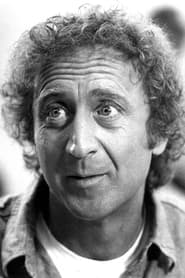
Michael Jordon
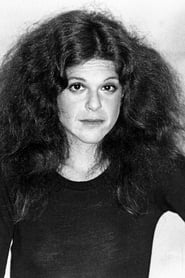
Kate Hellman
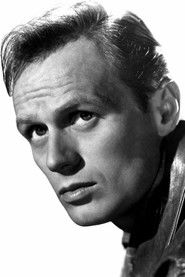
Ransom

Adrian Pruitt
Main Cast & Characters
Michael Jordon
Played by Gene Wilder
An ordinary architect who gets unwittingly caught up in a dangerous espionage conspiracy and murder plot.
Kate Hellman
Played by Gilda Radner
A mysterious woman who drags Michael into international intrigue while being pursued by dangerous agents.
Ransom
Played by Richard Widmark
A sinister government agent or assassin pursuing Michael and Kate throughout their ordeal.
Adrian Pruitt
Played by Robert Prosky
A wealthy, sophisticated antagonist involved in the espionage plot.
Structural Analysis
The Status Quo at 1 minutes (1% through the runtime) establishes Michael Jordon is introduced as an ordinary Chicago architect living a mundane, solitary life - unremarkable and uninvolved in anything dangerous.. Structural examination shows that this early placement immediately immerses viewers in the story world.
The inciting incident occurs at 13 minutes when The mysterious woman Janet Dunn is murdered and Michael becomes the prime suspect. His ordinary life is shattered when he finds himself framed for her death and pursued by both the police and unknown killers.. At 12% through the film, this Disruption aligns precisely with traditional story structure. This beat shifts the emotional landscape, launching the protagonist into the central conflict.
The First Threshold at 28 minutes marks the transition into Act II, occurring at 25% of the runtime. This shows the protagonist's commitment to Michael actively decides to investigate the conspiracy himself rather than simply hide, committing to clear his name. He crosses into the world of espionage and danger by choice, leaving any chance of returning to normal life behind., moving from reaction to action.
At 55 minutes, the Midpoint arrives at 50% of the runtime—precisely centered, creating perfect narrative symmetry. Of particular interest, this crucial beat Michael and Kate discover key information about the conspiracy and the location of the stolen technology. They share a romantic moment, finally trusting each other completely - a false victory before the stakes raise dramatically., fundamentally raising what's at risk. The emotional intensity shifts, dividing the narrative into clear before-and-after phases.
The Collapse moment at 83 minutes (75% through) represents the emotional nadir. Here, Kate is captured by the villains. Michael is alone, hunted, and seemingly without any resources or allies. Everything they worked for appears lost, and Kate's life hangs in the balance - the "whiff of death" pervades the moment., reveals the protagonist at their lowest point. This beat's placement in the final quarter sets up the climactic reversal.
The Second Threshold at 88 minutes initiates the final act resolution at 80% of the runtime. Michael synthesizes everything he's learned - combining clues from the investigation with his newfound willingness to trust and fight for others. He devises a plan to rescue Kate and expose the conspiracy, committing fully to the partnership., demonstrating the transformation achieved throughout the journey.
Emotional Journey
Hanky Panky's emotional architecture traces a deliberate progression across 15 carefully calibrated beats.
Narrative Framework
This structural analysis employs a 15-point narrative structure framework that maps key story moments. By mapping Hanky Panky against these established plot points, we can identify how Sidney Poitier utilizes or subverts traditional narrative conventions. The plot point approach reveals not only adherence to structural principles but also creative choices that distinguish Hanky Panky within the action genre.
Sidney Poitier's Structural Approach
Among the 4 Sidney Poitier films analyzed on Arcplot, the average structural score is 6.7, demonstrating varied approaches to story architecture. Hanky Panky represents one of the director's most structurally precise works. For comparative analysis, explore the complete Sidney Poitier filmography.
Comparative Analysis
Additional action films include The Bad Guys, Puss in Boots and Venom: The Last Dance. For more Sidney Poitier analyses, see Stir Crazy, Uptown Saturday Night and Ghost Dad.
Plot Points by Act
Act I
SetupStatus Quo
Michael Jordon is introduced as an ordinary Chicago architect living a mundane, solitary life - unremarkable and uninvolved in anything dangerous.
Theme
A colleague remarks about how Michael keeps to himself and never gets involved with anyone else's problems - establishing the theme that safety comes from isolation, which the story will challenge.
Worldbuilding
Michael's ordinary world as a Chicago architect is established. He encounters a mysterious woman on a bus who slips him a package before being pursued. The world of government secrets and danger is introduced around the edges of his normal life.
Disruption
The mysterious woman Janet Dunn is murdered and Michael becomes the prime suspect. His ordinary life is shattered when he finds himself framed for her death and pursued by both the police and unknown killers.
Resistance
Michael desperately tries to convince the police of his innocence while evading the real killers. He debates whether to run or fight, struggling to understand what he's caught up in. Janet's brother provides cryptic guidance about a conspiracy.
Act II
ConfrontationFirst Threshold
Michael actively decides to investigate the conspiracy himself rather than simply hide, committing to clear his name. He crosses into the world of espionage and danger by choice, leaving any chance of returning to normal life behind.
Mirror World
Kate Hellman enters the story - initially hostile as Janet's sister who believes Michael killed her. Their contentious relationship will become the thematic heart of the film, teaching Michael about trust and partnership.
Premise
Michael and Kate are forced into an uneasy alliance as they investigate the conspiracy together. Comic chase sequences ensue as they evade assassins while uncovering clues about a stolen government computer device. Their bickering relationship develops romantic tension.
Midpoint
Michael and Kate discover key information about the conspiracy and the location of the stolen technology. They share a romantic moment, finally trusting each other completely - a false victory before the stakes raise dramatically.
Opposition
The villains close in on Michael and Kate. Ransom and his conspirators intensify their pursuit. Betrayals are revealed - people they trusted are working for the enemy. Each attempt to escape or find help leads to more danger.
Collapse
Kate is captured by the villains. Michael is alone, hunted, and seemingly without any resources or allies. Everything they worked for appears lost, and Kate's life hangs in the balance - the "whiff of death" pervades the moment.
Crisis
Michael processes the loss of Kate and the hopelessness of his situation. He must face his fears of involvement and commitment. The loneliness he once embraced now feels like a curse rather than protection.
Act III
ResolutionSecond Threshold
Michael synthesizes everything he's learned - combining clues from the investigation with his newfound willingness to trust and fight for others. He devises a plan to rescue Kate and expose the conspiracy, committing fully to the partnership.
Synthesis
Michael executes his rescue plan. In a climactic confrontation, he faces Ransom and the conspirators. With Kate's help and his own resourcefulness, they expose the villains, recover the stolen technology, and prove Michael's innocence.
Transformation
Michael and Kate are together as a couple, his name cleared. The once-isolated architect who avoided involvement is now deeply connected to another person. He has been transformed from a bystander into someone who takes risks for love and justice.