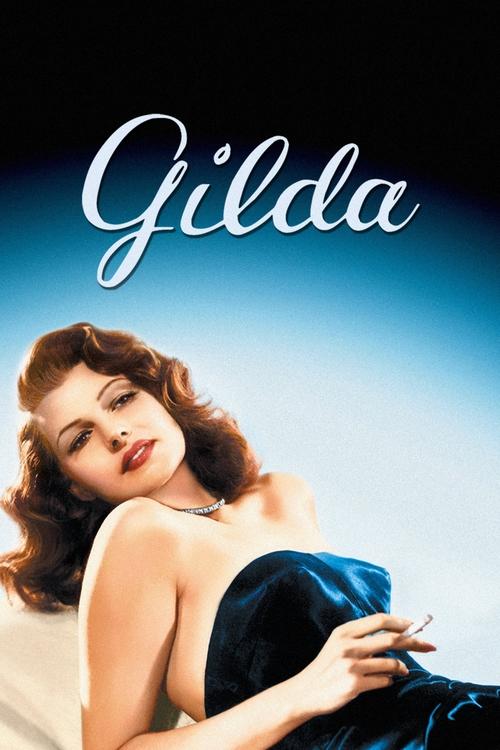
Gilda
A gambler discovers an old flame while in Argentina, but she's married to his new boss.
Despite its modest budget of $2.0M, Gilda became a solid performer, earning $6.0M worldwide—a 200% return. The film's bold vision engaged audiences, proving that strong storytelling can transcend budget limitations.


Plot Structure
Story beats plotted across runtime


Narrative Arc
Emotional journey through the story's key moments
Story Circle
Blueprint 15-beat structure
Arcplot Score Breakdown
Weighted: Precision (70%) + Arc (15%) + Theme (15%)
Gilda (1946) reveals strategically placed plot construction, characteristic of Charles Vidor's storytelling approach. This structural analysis examines how the film's 12-point plot structure maps to proven narrative frameworks across 1 hour and 50 minutes. With an Arcplot score of 6.7, the film balances conventional beats with creative variation.
Characters
Cast & narrative archetypes
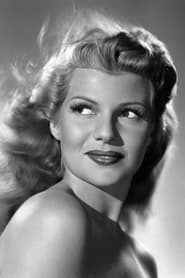
Gilda Mundson
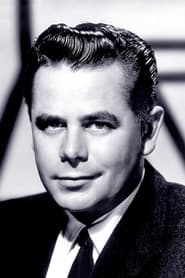
Johnny Farrell
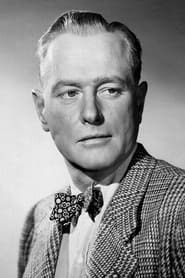
Ballin Mundson
Uncle Pio
Main Cast & Characters
Gilda Mundson
Played by Rita Hayworth
A beautiful and enigmatic woman caught between her husband and former lover, using her sexuality and wit as weapons in a dangerous emotional triangle.
Johnny Farrell
Played by Glenn Ford
A cynical gambler who becomes the right-hand man to a casino owner, only to be tormented by the reappearance of his former flame now married to his boss.
Ballin Mundson
Played by George Macready
A sophisticated and controlling Buenos Aires casino owner with a cane-sword and mysterious past, obsessed with loyalty and possession.
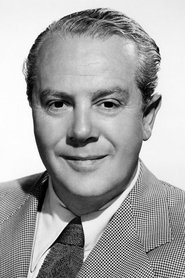
Uncle Pio
Played by Steven Geray
The wise and loyal washroom attendant who serves as Johnny's confidant and moral compass throughout the film.
Structural Analysis
The Status Quo at 1 minutes (1% through the runtime) establishes Johnny Farrell, a small-time American gambler, hustles dice games on the dangerous Buenos Aires waterfront at night, establishing him as a cynical survivor living on the edge of society.. Structural examination shows that this early placement immediately immerses viewers in the story world.
The inciting incident occurs at 13 minutes when Ballin returns from a trip with a new wife and introduces Johnny to Gilda. The camera tilts up to reveal Rita Hayworth tossing back her hair in one of cinema's most iconic entrances - and Johnny's shocked recognition reveals she is his former lover.. At 12% through the film, this Disruption aligns precisely with traditional story structure. This beat shifts the emotional landscape, launching the protagonist into the central conflict.
The First Threshold at 28 minutes marks the transition into Act II, occurring at 25% of the runtime. This indicates the protagonist's commitment to Johnny commits fully to his role as Gilda's jailer, actively choosing to torment her by restricting her freedom and reporting her every move to Ballin. He crosses from passive observer to active participant in the toxic dynamic, weaponizing his position against her., moving from reaction to action.
At 55 minutes, the Midpoint arrives at 50% of the runtime—precisely centered, creating perfect narrative symmetry. The analysis reveals that this crucial beat Ballin discovers the depth of Johnny and Gilda's connection and appears to commit suicide by crashing his plane into the ocean, leaving Johnny and Gilda alone together. This false defeat removes the barrier between them but leaves their relationship more poisoned than ever., fundamentally raising what's at risk. The emotional intensity shifts, dividing the narrative into clear before-and-after phases.
The Collapse moment at 83 minutes (75% through) represents the emotional nadir. Here, Ballin returns, having faked his death, and confronts Johnny and Gilda. The revelation that everything Johnny built was based on a dead man's legacy who isn't dead destroys his position entirely. Johnny faces the consequences of his cruelty as Ballin threatens both their lives., shows the protagonist at their lowest point. This beat's placement in the final quarter sets up the climactic reversal.
The Synthesis at 88 minutes initiates the final act resolution at 80% of the runtime. With Ballin truly dead and the cartel exposed, Johnny and Gilda are freed from the prison of their mutual hatred. Detective Obregon closes the case, and Johnny finally acknowledges his love for Gilda was always real beneath the cruelty. They prepare to leave Buenos Aires together., demonstrating the transformation achieved throughout the journey.
Emotional Journey
Gilda's emotional architecture traces a deliberate progression across 12 carefully calibrated beats.
Narrative Framework
This structural analysis employs proven narrative structure principles that track dramatic progression. By mapping Gilda against these established plot points, we can identify how Charles Vidor utilizes or subverts traditional narrative conventions. The plot point approach reveals not only adherence to structural principles but also creative choices that distinguish Gilda within the romance genre.
Comparative Analysis
Additional romance films include South Pacific, Dirty Dancing: Havana Nights and The Evening Star.
Plot Points by Act
Act I
SetupStatus Quo
Johnny Farrell, a small-time American gambler, hustles dice games on the dangerous Buenos Aires waterfront at night, establishing him as a cynical survivor living on the edge of society.
Theme
Ballin Mundson tells Johnny that his cane with the concealed blade is his "little friend" who does what he tells it to do - foreshadowing the film's exploration of control, possession, and the danger of treating people as objects to be owned.
Worldbuilding
Johnny is saved from muggers by Ballin Mundson, who takes him to his illegal casino. Johnny proves his worth by catching cheaters and is hired as Ballin's right-hand man. The two develop a relationship built on mutual distrust and utility, establishing the casino underworld of Buenos Aires.
Disruption
Ballin returns from a trip with a new wife and introduces Johnny to Gilda. The camera tilts up to reveal Rita Hayworth tossing back her hair in one of cinema's most iconic entrances - and Johnny's shocked recognition reveals she is his former lover.
Resistance
Johnny and Gilda engage in bitter verbal sparring, their hatred masking unresolved passion. Ballin assigns Johnny to watch over Gilda, unknowingly putting former lovers in constant proximity. Johnny struggles between his loyalty to Ballin and his consuming feelings for Gilda, debating how to navigate this impossible triangle.
Act II
ConfrontationFirst Threshold
Johnny commits fully to his role as Gilda's jailer, actively choosing to torment her by restricting her freedom and reporting her every move to Ballin. He crosses from passive observer to active participant in the toxic dynamic, weaponizing his position against her.
Premise
The dangerous game plays out as Johnny and Gilda torment each other through jealousy and cruelty. Gilda flirts ostentatiously with other men to provoke Johnny; Johnny coldly reports her behavior to Ballin. Their sadomasochistic dance of desire and hatred intensifies while Ballin's illegal tungsten cartel dealings emerge as a secondary threat.
Midpoint
Ballin discovers the depth of Johnny and Gilda's connection and appears to commit suicide by crashing his plane into the ocean, leaving Johnny and Gilda alone together. This false defeat removes the barrier between them but leaves their relationship more poisoned than ever.
Opposition
Johnny marries Gilda but only to imprison her, refusing to consummate the marriage or grant her freedom. His cruelty intensifies as he keeps her trapped in a loveless cage while taking over Ballin's criminal empire. Gilda desperately tries to escape through annulment and provocative public behavior, including her infamous "Put the Blame on Mame" striptease.
Collapse
Ballin returns, having faked his death, and confronts Johnny and Gilda. The revelation that everything Johnny built was based on a dead man's legacy who isn't dead destroys his position entirely. Johnny faces the consequences of his cruelty as Ballin threatens both their lives.
Crisis
Johnny must confront how his hatred and jealousy transformed him into someone as controlling and cruel as Ballin. Gilda's devastation at Ballin's return and Johnny's betrayal reaches its peak as all three characters face the culmination of their toxic triangle.
Act III
ResolutionSynthesis
With Ballin truly dead and the cartel exposed, Johnny and Gilda are freed from the prison of their mutual hatred. Detective Obregon closes the case, and Johnny finally acknowledges his love for Gilda was always real beneath the cruelty. They prepare to leave Buenos Aires together.