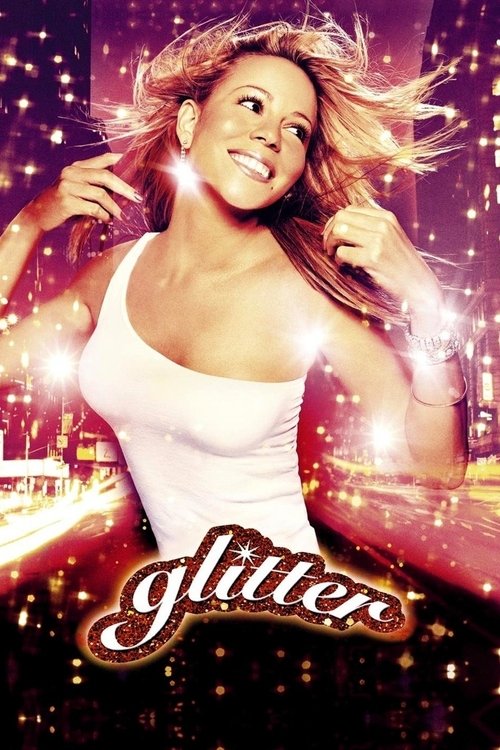
Glitter
A young woman is catapulted into pop stardom, with her already-famous DJ boyfriend calling the shots.
The film financial setback against its respectable budget of $22.0M, earning $5.3M globally (-76% loss). While initial box office returns were modest, the film has gained appreciation for its innovative storytelling within the drama genre.
3 wins & 10 nominations
Plot Structure
Story beats plotted across runtime


Narrative Arc
Emotional journey through the story's key moments
Story Circle
Blueprint 15-beat structure
Arcplot Score Breakdown
Weighted: Precision (70%) + Arc (15%) + Theme (15%)
Glitter (2001) demonstrates carefully calibrated dramatic framework, characteristic of Vondie Curtis-Hall's storytelling approach. This structural analysis examines how the film's 15-point plot structure maps to proven narrative frameworks across 1 hour and 44 minutes. With an Arcplot score of 7.1, the film balances conventional beats with creative variation.
Characters
Cast & narrative archetypes

Billie Frank
Dice
Timothy Walker
Roxanne
Louise
Lillian Frank
Main Cast & Characters
Billie Frank
Played by Mariah Carey
An aspiring singer who rises from club backup singer to pop star while navigating romance and the music industry.
Dice
Played by Max Beesley
A charismatic DJ who discovers Billie's talent and becomes her romantic interest and creative partner.
Timothy Walker
Played by Terrence Howard
A powerful but manipulative record executive who controls Billie's career and creates conflict in her life.
Roxanne
Played by Da Brat
Billie's loyal best friend and fellow backup singer who supports her through her rise to fame.
Louise
Played by Tia Texada
Billie's other close friend and backup singer who remains part of her inner circle.
Lillian Frank
Played by Valarie Pettiford
Billie's troubled mother who abandoned her as a child, leaving lasting emotional scars.
Structural Analysis
The Status Quo at 1 minutes (1% through the runtime) establishes Young Billie witnesses her mother performing, showing the world of music she's born into but also her mother's struggles and abandonment.. The analysis reveals that this early placement immediately immerses viewers in the story world.
The inciting incident occurs at 13 minutes when DJ Dice discovers Billie's voice when he hears her singing from behind a curtain, recognizing her unique talent.. At 12% through the film, this Disruption aligns precisely with traditional story structure. This beat shifts the emotional landscape, launching the protagonist into the central conflict.
The First Threshold at 25 minutes marks the transition into Act II, occurring at 24% of the runtime. This shows the protagonist's commitment to Billie agrees to record with Dice and signs with producer Timothy Walker, actively choosing to pursue her music career despite risks., moving from reaction to action.
At 52 minutes, the Midpoint arrives at 50% of the runtime—precisely centered, creating perfect narrative symmetry. Significantly, this crucial beat Billie achieves major success and recognition, performing to large audiences. False victory - she has fame but industry forces are positioning to exploit her., fundamentally raising what's at risk. The emotional intensity shifts, dividing the narrative into clear before-and-after phases.
The Collapse moment at 76 minutes (73% through) represents the emotional nadir. Here, Dice is killed in a car accident. Billie loses the person who believed in her talent and loved her for who she is, not what she represents., illustrates the protagonist at their lowest point. This beat's placement in the final quarter sets up the climactic reversal.
The Second Threshold at 83 minutes initiates the final act resolution at 80% of the runtime. Billie decides to take control of her career and life, honoring Dice's memory by standing up to exploitative industry forces and reclaiming her authentic voice., demonstrating the transformation achieved throughout the journey.
Emotional Journey
Glitter's emotional architecture traces a deliberate progression across 15 carefully calibrated beats.
Narrative Framework
This structural analysis employs systematic plot point analysis that identifies crucial turning points. By mapping Glitter against these established plot points, we can identify how Vondie Curtis-Hall utilizes or subverts traditional narrative conventions. The plot point approach reveals not only adherence to structural principles but also creative choices that distinguish Glitter within the drama genre.
Vondie Curtis-Hall's Structural Approach
Among the 3 Vondie Curtis-Hall films analyzed on Arcplot, the average structural score is 7.3, reflecting strong command of classical structure. Glitter takes a more unconventional approach compared to the director's typical style. For comparative analysis, explore the complete Vondie Curtis-Hall filmography.
Comparative Analysis
Additional drama films include After Thomas, South Pacific and Dirty Dancing: Havana Nights. For more Vondie Curtis-Hall analyses, see Waist Deep, Gridlock'd.
Plot Points by Act
Act I
SetupStatus Quo
Young Billie witnesses her mother performing, showing the world of music she's born into but also her mother's struggles and abandonment.
Theme
Adult Billie and her friends discuss dreams versus reality in the music business - "You gotta take care of yourself in this business."
Worldbuilding
Establishing 1983 NYC club scene. Billie works as backup singer with friends Louise and Roxanne, performing for little recognition while dreaming of stardom.
Disruption
DJ Dice discovers Billie's voice when he hears her singing from behind a curtain, recognizing her unique talent.
Resistance
Dice pursues Billie professionally. She debates whether to trust him and enter the recording world. Introduction to industry exploitation and Billie's hesitation about being used.
Act II
ConfrontationFirst Threshold
Billie agrees to record with Dice and signs with producer Timothy Walker, actively choosing to pursue her music career despite risks.
Mirror World
Billie and Dice's romantic relationship begins, representing the personal connection that will teach her about trust and self-worth.
Premise
Billie's rise to fame - recording sessions, performances, growing success. The fun of achieving her dream while navigating the music industry with Dice's support.
Midpoint
Billie achieves major success and recognition, performing to large audiences. False victory - she has fame but industry forces are positioning to exploit her.
Opposition
Timothy Walker manipulates Billie's career for his benefit. Tension grows between Billie and Dice as industry pressure mounts. Her friends feel abandoned. Control slips away.
Collapse
Dice is killed in a car accident. Billie loses the person who believed in her talent and loved her for who she is, not what she represents.
Crisis
Billie grieves and confronts the emptiness of fame without genuine connection. She processes loss and realizes what truly matters beyond stardom.
Act III
ResolutionSecond Threshold
Billie decides to take control of her career and life, honoring Dice's memory by standing up to exploitative industry forces and reclaiming her authentic voice.
Synthesis
Billie confronts Timothy Walker, reconnects with her true friends, and performs on her own terms with renewed purpose and independence.
Transformation
Billie performs with confidence and autonomy, transformed from exploited talent to empowered artist who controls her destiny while honoring her past.