
Gogol. The Beginning
1829: Nikolay Gogol, troubled Third Section clerk, burns his own books. Epileptic seizures plague him. Investigator Yakov Guro discovers Gogol's visions hold crime-solving clues. Together, they tackle a baffling case in Dikanka, where everyone hides a dark secret.
The film earned $7.9M at the global box office.
Plot Structure
Story beats plotted across runtime


Narrative Arc
Emotional journey through the story's key moments
Story Circle
Blueprint 15-beat structure
Arcplot Score Breakdown
Weighted: Precision (70%) + Arc (15%) + Theme (15%)
Gogol. The Beginning (2017) reveals strategically placed plot construction, characteristic of Egor Baranov's storytelling approach. This structural analysis examines how the film's 15-point plot structure maps to proven narrative frameworks across 1 hour and 40 minutes. With an Arcplot score of 6.7, the film balances conventional beats with creative variation.
Characters
Cast & narrative archetypes

Nikolai Gogol
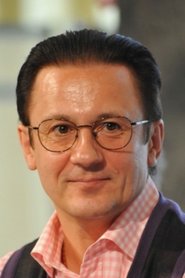
Yakov Guro

Lisa Yakovina

The Dark Rider
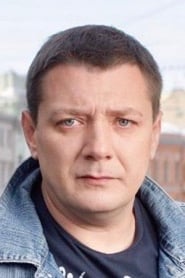
Count Binskiy
Main Cast & Characters
Nikolai Gogol
Played by Alexander Petrov
A young writer and investigator with the ability to see visions of crimes, haunted by dark nightmares and supernatural occurrences.
Yakov Guro
Played by Oleg Menshikov
A cynical police investigator who recruits Gogol to help solve mysterious murders using his strange visions.
Lisa Yakovina
Played by Evgeniya Gromova
A mysterious and beautiful young woman connected to the supernatural events, who becomes Gogol's love interest.
The Dark Rider
Played by Artyom Tkachenko
A sinister horseman who appears in Gogol's visions and nightmares, representing dark supernatural forces.
Count Binskiy
Played by Yan Tsapnik
A wealthy aristocrat with suspicious connections to the mysterious deaths plaguing the region.
Structural Analysis
The Status Quo at 2 minutes (2% through the runtime) establishes Young Nikolai Gogol arrives in a remote village as a low-level clerk, suffering from mysterious visions and seizures that plague him, an outsider struggling to fit into bureaucratic society.. Structural examination shows that this early placement immediately immerses viewers in the story world.
The inciting incident occurs at 11 minutes when Gogol experiences a violent vision of a brutal murder - a headless horseman killing young women. The first decapitated body is discovered, making his visions terrifyingly real and thrusting him into a serial murder investigation.. At 11% through the film, this Disruption aligns precisely with traditional story structure. This beat shifts the emotional landscape, launching the protagonist into the central conflict.
The First Threshold at 24 minutes marks the transition into Act II, occurring at 24% of the runtime. This reveals the protagonist's commitment to Gogol makes the active choice to use his visions to help solve the murders. He commits to working with Guro, accepting his supernatural ability as a tool for investigation rather than just a curse to hide., moving from reaction to action.
At 50 minutes, the Midpoint arrives at 50% of the runtime—precisely centered, creating perfect narrative symmetry. Notably, this crucial beat False defeat: Gogol has a vision revealing the killer's next victim will be Lisa. The investigation becomes deeply personal - he can no longer be a detached observer. The stakes skyrocket as someone he cares about is in mortal danger., fundamentally raising what's at risk. The emotional intensity shifts, dividing the narrative into clear before-and-after phases.
The Collapse moment at 75 minutes (75% through) represents the emotional nadir. Here, Gogol fails to prevent an attack - Lisa is taken by the horseman. He confronts the killer but is overpowered. His greatest fear realized: his visions showed him the future but he was powerless to change it. Metaphorical death of his hope and confidence., demonstrates the protagonist at their lowest point. This beat's placement in the final quarter sets up the climactic reversal.
The Second Threshold at 79 minutes initiates the final act resolution at 79% of the runtime. Breakthrough: Gogol realizes his visions don't just show him what will happen - they show him details others miss. He synthesizes his investigative training with his supernatural sight to locate where the killer performs his ritual. New resolve to act., demonstrating the transformation achieved throughout the journey.
Emotional Journey
Gogol. The Beginning's emotional architecture traces a deliberate progression across 15 carefully calibrated beats.
Narrative Framework
This structural analysis employs a 15-point narrative structure framework that maps key story moments. By mapping Gogol. The Beginning against these established plot points, we can identify how Egor Baranov utilizes or subverts traditional narrative conventions. The plot point approach reveals not only adherence to structural principles but also creative choices that distinguish Gogol. The Beginning within the mystery genre.
Comparative Analysis
Additional mystery films include Lone Star, The Wicker Man and A Soldier's Story.
Plot Points by Act
Act I
SetupStatus Quo
Young Nikolai Gogol arrives in a remote village as a low-level clerk, suffering from mysterious visions and seizures that plague him, an outsider struggling to fit into bureaucratic society.
Theme
A local mentions that "some gifts are curses until you learn their purpose" - hinting at Gogol's visions being both burden and supernatural ability that will define his path.
Worldbuilding
Introduction to the superstitious Ukrainian village, the local authorities, and establishment of Gogol's condition - his epileptic visions that show him glimpses of violence and death. The atmosphere of dark folklore and mysterious murders is established.
Disruption
Gogol experiences a violent vision of a brutal murder - a headless horseman killing young women. The first decapitated body is discovered, making his visions terrifyingly real and thrusting him into a serial murder investigation.
Resistance
Gogol debates whether to reveal his visions to investigator Guro. He resists involvement, fearing persecution for his "gift," but more murders occur. Guro recognizes Gogol's unusual insights and begins to recruit him, despite Gogol's reluctance and fear.
Act II
ConfrontationFirst Threshold
Gogol makes the active choice to use his visions to help solve the murders. He commits to working with Guro, accepting his supernatural ability as a tool for investigation rather than just a curse to hide.
Mirror World
Gogol meets Lisa, a young woman who accepts him despite his strangeness. Their relationship subplot begins - she represents normalcy and connection, the life he could have if he embraces who he truly is.
Premise
Gogol actively investigates using his visions, experiencing the supernatural thriller elements the audience came for. He explores crime scenes, has vivid prophetic episodes, and pieces together the pattern of the horseman killer while navigating village folklore and dark superstitions.
Midpoint
False defeat: Gogol has a vision revealing the killer's next victim will be Lisa. The investigation becomes deeply personal - he can no longer be a detached observer. The stakes skyrocket as someone he cares about is in mortal danger.
Opposition
Pressure intensifies as Gogol races against time to prevent Lisa's death. The village turns against him, suspicious of his knowledge. The supernatural forces grow stronger, his visions more violent. He discovers the killer has occult connections, making the enemy more formidable than anticipated.
Collapse
Gogol fails to prevent an attack - Lisa is taken by the horseman. He confronts the killer but is overpowered. His greatest fear realized: his visions showed him the future but he was powerless to change it. Metaphorical death of his hope and confidence.
Crisis
Gogol spirals into despair, questioning whether his visions are a gift or curse. He processes his failure and the darkness of what he's witnessed. The emotional low point where he must find meaning in his ability beyond just prediction.
Act III
ResolutionSecond Threshold
Breakthrough: Gogol realizes his visions don't just show him what will happen - they show him details others miss. He synthesizes his investigative training with his supernatural sight to locate where the killer performs his ritual. New resolve to act.
Synthesis
Gogol leads the final confrontation with the horseman killer, using both rational deduction and visionary insight. He saves Lisa, unmasks the killer, and disrupts the dark ritual. He has become a supernatural detective, integrating both sides of himself.
Transformation
Gogol is no longer ashamed of his visions. He embraces his role as an investigator of the supernatural. Where he once hid his gift in fear, he now accepts it as his calling - a transformed man who found purpose in what he once saw as a curse.