
Golden Earrings
On the eve of World War II (1939) English officer Ralph Denistoun is in Nazi Germany on an espionage mission to recover a poison gas formula from Prof. Krosigk. He is helped by Lydia and her band of gypsies. Naturally romance develops along the way.
Despite its limited budget of $1.0M, Golden Earrings became a box office phenomenon, earning $7.0M worldwide—a remarkable 600% return. The film's innovative storytelling connected with viewers, proving that strong storytelling can transcend budget limitations.
Plot Structure
Story beats plotted across runtime


Narrative Arc
Emotional journey through the story's key moments
Story Circle
Blueprint 15-beat structure
Arcplot Score Breakdown
Weighted: Precision (70%) + Arc (15%) + Theme (15%)
Golden Earrings (1947) reveals deliberately positioned dramatic framework, characteristic of Mitchell Leisen's storytelling approach. This structural analysis examines how the film's 15-point plot structure maps to proven narrative frameworks across 1 hour and 35 minutes. With an Arcplot score of 6.7, the film balances conventional beats with creative variation.
Characters
Cast & narrative archetypes
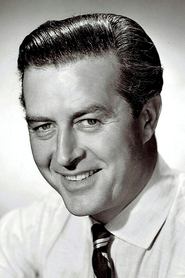
Colonel Ralph Denistoun

Lydia
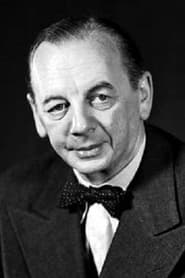
Professor Krosigk
Main Cast & Characters
Colonel Ralph Denistoun
Played by Ray Milland
A British intelligence officer who goes undercover as a gypsy to retrieve secret poison gas plans from Nazi Germany
Lydia
Played by Marlene Dietrich
A free-spirited gypsy woman who helps Denistoun escape the Nazis and teaches him to live as a Romani
Professor Krosigk
Played by Reinhold Schünzel
A German scientist who possesses the secret poison gas formula that Denistoun seeks
Structural Analysis
The Status Quo at 1 minutes (1% through the runtime) establishes Colonel Ralph Donas sits in a London gentlemen's club, his colleagues intrigued by the golden earrings he wears. The stiff British officer appears utterly out of place with this unconventional adornment, establishing his proper, conventional world before transformation.. Of particular interest, this early placement immediately immerses viewers in the story world.
The inciting incident occurs at 11 minutes when Ralph's plane is shot down over Germany. Wounded and hunted by Nazi soldiers, his mission is immediately in jeopardy. He becomes a fugitive in enemy territory, desperately needing to evade capture to complete his mission.. At 12% through the film, this Disruption aligns precisely with traditional story structure. This beat shifts the emotional landscape, launching the protagonist into the central conflict.
The First Threshold at 24 minutes marks the transition into Act II, occurring at 25% of the runtime. This reveals the protagonist's commitment to Ralph makes the active choice to trust Lydia and fully commit to the gypsy disguise. He allows her to pierce his ears for the golden earrings, stain his skin, and transform his appearance completely. This physical transformation symbolizes his willingness to abandon his rigid British identity., moving from reaction to action.
At 46 minutes, the Midpoint arrives at 49% of the runtime—precisely centered, creating perfect narrative symmetry. Notably, this crucial beat Ralph and Lydia share a moment of genuine connection and love. He realizes he has fallen for her completely. However, this false victory is shadowed by his mission—he must still obtain the formula and escape Germany, which will mean leaving Lydia behind. The stakes become both professional and deeply personal., fundamentally raising what's at risk. The emotional intensity shifts, dividing the narrative into clear before-and-after phases.
The Collapse moment at 70 minutes (74% through) represents the emotional nadir. Here, The mission reaches a critical point where Ralph must choose between staying with Lydia and completing his duty to his country. He obtains the formula but is forced to flee immediately. He must leave Lydia behind without proper farewell, seemingly losing her forever. The separation feels like a death of the love they built., indicates the protagonist at their lowest point. This beat's placement in the final quarter sets up the climactic reversal.
The Second Threshold at 75 minutes initiates the final act resolution at 79% of the runtime. With the war ended, Ralph realizes he cannot continue living without Lydia. He makes the decision to return to Germany and search for her among the Romani camps. This represents his complete transformation—the British officer who once looked down on gypsies now embraces their world as his own., demonstrating the transformation achieved throughout the journey.
Emotional Journey
Golden Earrings's emotional architecture traces a deliberate progression across 15 carefully calibrated beats.
Narrative Framework
This structural analysis employs a 15-point narrative structure framework that maps key story moments. By mapping Golden Earrings against these established plot points, we can identify how Mitchell Leisen utilizes or subverts traditional narrative conventions. The plot point approach reveals not only adherence to structural principles but also creative choices that distinguish Golden Earrings within the adventure genre.
Comparative Analysis
Additional adventure films include The Black Stallion, The Bad Guys and Puss in Boots.
Plot Points by Act
Act I
SetupStatus Quo
Colonel Ralph Donas sits in a London gentlemen's club, his colleagues intrigued by the golden earrings he wears. The stiff British officer appears utterly out of place with this unconventional adornment, establishing his proper, conventional world before transformation.
Theme
A colleague remarks that a man must be willing to change everything he is for love. This seemingly casual observation foreshadows Ralph's complete transformation from rigid British officer to someone willing to embrace an entirely different way of life.
Worldbuilding
The framing story establishes Ralph's current mysterious persona before the flashback begins. We learn of his wartime mission: parachute into Nazi Germany to obtain a secret poison gas formula from Professor Krosigk. Ralph and fellow agent Doyle are briefed and deployed, establishing the stakes and the dangerous world of wartime espionage.
Disruption
Ralph's plane is shot down over Germany. Wounded and hunted by Nazi soldiers, his mission is immediately in jeopardy. He becomes a fugitive in enemy territory, desperately needing to evade capture to complete his mission.
Resistance
Ralph stumbles upon a Romani camp where Lydia, a fierce and unconventional gypsy woman, finds him. Despite his initial resistance and cultural prejudices, she decides to help him. She proposes disguising him as her gypsy husband to evade the Nazis, but Ralph resists this radical transformation of his identity.
Act II
ConfrontationFirst Threshold
Ralph makes the active choice to trust Lydia and fully commit to the gypsy disguise. He allows her to pierce his ears for the golden earrings, stain his skin, and transform his appearance completely. This physical transformation symbolizes his willingness to abandon his rigid British identity.
Mirror World
Lydia begins teaching Ralph the ways of gypsy life—fortune telling, their customs, their freedom. Their relationship deepens as she reveals a wisdom and depth beneath her wild exterior. She represents everything opposite to his constrained British life and embodies the film's theme of love requiring complete transformation.
Premise
Ralph and Lydia travel together through Nazi-occupied territory, posing as a gypsy couple. The fish-out-of-water comedy plays out as the proper British officer learns to embrace gypsy life. They dodge Nazi patrols, attend Romani gatherings, and their romance blossoms despite their vastly different backgrounds. Ralph begins to genuinely appreciate Lydia's world.
Midpoint
Ralph and Lydia share a moment of genuine connection and love. He realizes he has fallen for her completely. However, this false victory is shadowed by his mission—he must still obtain the formula and escape Germany, which will mean leaving Lydia behind. The stakes become both professional and deeply personal.
Opposition
Ralph must focus on his mission while protecting his relationship with Lydia. Nazi suspicion increases as authorities investigate the gypsy camps. Ralph makes contact with Professor Krosigk and arranges to obtain the poison gas formula, but the Gestapo is closing in. The tension between duty and love intensifies as danger surrounds them.
Collapse
The mission reaches a critical point where Ralph must choose between staying with Lydia and completing his duty to his country. He obtains the formula but is forced to flee immediately. He must leave Lydia behind without proper farewell, seemingly losing her forever. The separation feels like a death of the love they built.
Crisis
Ralph escapes Germany and returns to England, mission accomplished but heart broken. The war continues and years pass. He carries the weight of leaving Lydia, wondering if he will ever see her again. His colleagues notice the change in him—he is no longer the rigid officer he once was, but a man marked by loss.
Act III
ResolutionSecond Threshold
With the war ended, Ralph realizes he cannot continue living without Lydia. He makes the decision to return to Germany and search for her among the Romani camps. This represents his complete transformation—the British officer who once looked down on gypsies now embraces their world as his own.
Synthesis
Ralph travels through post-war Germany, searching the gypsy camps for Lydia. His journey becomes both a physical search and an affirmation of his transformed identity. He navigates the displaced populations and ruined landscape, wearing his golden earrings proudly, until he finally locates the camp where Lydia might be found.
Transformation
Ralph and Lydia are reunited. He has fully embraced his transformation, and they are together at last. Back in the present, Ralph finishes his story—the golden earrings he wears are not mere souvenirs but symbols of the love that changed him completely. The once-rigid British officer has become a man who follows his heart.