
Gung Ho
Hunt Stevenson works for a large car manufacturer that has just been bought out by a Japanese firm. Suddenly finding himself having to justify his own job, he's forced to choose between redundancy or the seemingly inhuman Japanese work ethic that the new owners have brought with them.
Despite its limited budget of $13.0M, Gung Ho became a commercial success, earning $36.6M worldwide—a 182% return.


Plot Structure
Story beats plotted across runtime


Narrative Arc
Emotional journey through the story's key moments
Story Circle
Blueprint 15-beat structure
Arcplot Score Breakdown
Weighted: Precision (70%) + Arc (15%) + Theme (15%)
Gung Ho (1986) exemplifies deliberately positioned story structure, characteristic of Ron Howard's storytelling approach. This structural analysis examines how the film's 15-point plot structure maps to proven narrative frameworks across 1 hour and 51 minutes. With an Arcplot score of 6.2, the film takes an unconventional approach to traditional narrative frameworks.
Characters
Cast & narrative archetypes
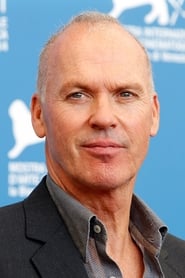
Hunt Stevenson

Kazihiro

Audrey
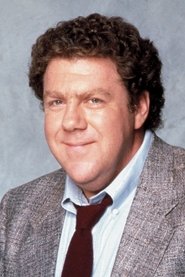
Buster

Takahara Kazihiro
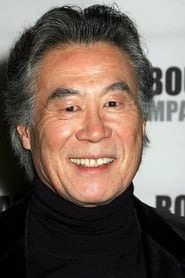
Saito
Main Cast & Characters
Hunt Stevenson
Played by Michael Keaton
Likable hustler sent to Japan to convince Assan Motors to reopen the Pennsylvania auto plant. Returns as liaison between Japanese management and American workers.
Kazihiro
Played by Gedde Watanabe
Strict Japanese executive sent to manage the reopened factory. Dedicated to productivity and Japanese methods, struggles with American work culture.
Audrey
Played by Mimi Rogers
Hunt's girlfriend who works at the plant. Frustrated with Hunt's unreliability and broken promises.
Buster
Played by George Wendt
Outspoken American worker who clashes with Japanese management methods and resists cultural changes at the plant.
Takahara Kazihiro
Played by Soh Yamamura
Kazihiro's strict father and high-ranking Assan Motors executive in Japan. Represents traditional Japanese business values.
Saito
Played by Sab Shimono
Japanese manager at the plant who serves as Kazihiro's second-in-command and helps implement Japanese production methods.
Structural Analysis
The Status Quo at 1 minutes (1% through the runtime) establishes The closed auto factory in Hadleyville, Pennsylvania shows the town's economic devastation. Hunt Stevenson lives in this dying rust-belt town where unemployment has destroyed the community.. The analysis reveals that this early placement immediately immerses viewers in the story world.
The inciting incident occurs at 14 minutes when Hunt pitches the idea of getting a Japanese company to reopen the factory. The town council reluctantly agrees to send him to Japan to negotiate.. At 12% through the film, this Disruption aligns precisely with traditional story structure. This beat shifts the emotional landscape, launching the protagonist into the central conflict.
The First Threshold at 27 minutes marks the transition into Act II, occurring at 25% of the runtime. This shows the protagonist's commitment to Hunt successfully convinces Assan Motors to reopen the Hadleyville plant. He returns home as a hero, and the Japanese management team arrives in Pennsylvania to run the factory., moving from reaction to action.
At 56 minutes, the Midpoint arrives at 50% of the runtime—precisely centered, creating perfect narrative symmetry. Of particular interest, this crucial beat The workers discover they must produce 15,000 cars per month (an impossible quota Hunt promised). Tensions escalate dramatically between American workers and Japanese management., fundamentally raising what's at risk. The emotional intensity shifts, dividing the narrative into clear before-and-after phases.
The Collapse moment at 83 minutes (75% through) represents the emotional nadir. Here, Hunt's deception is exposed to both sides. The workers revolt, production stops, and Assan Motors prepares to abandon the factory. Hunt has lost the trust of both the workers and Kazihiro., demonstrates the protagonist at their lowest point. This beat's placement in the final quarter sets up the climactic reversal.
The Second Threshold at 89 minutes initiates the final act resolution at 80% of the runtime. Hunt realizes that genuine honesty and compromise—not manipulation—is the answer. He brings both sides together for authentic dialogue about their mutual needs and cultural differences., demonstrating the transformation achieved throughout the journey.
Emotional Journey
Gung Ho's emotional architecture traces a deliberate progression across 15 carefully calibrated beats.
Narrative Framework
This structural analysis employs proven narrative structure principles that track dramatic progression. By mapping Gung Ho against these established plot points, we can identify how Ron Howard utilizes or subverts traditional narrative conventions. The plot point approach reveals not only adherence to structural principles but also creative choices that distinguish Gung Ho within the comedy genre.
Ron Howard's Structural Approach
Among the 24 Ron Howard films analyzed on Arcplot, the average structural score is 7.0, demonstrating varied approaches to story architecture. Gung Ho takes a more unconventional approach compared to the director's typical style. For comparative analysis, explore the complete Ron Howard filmography.
Comparative Analysis
Additional comedy films include The Bad Guys, Ella Enchanted and The Evening Star. For more Ron Howard analyses, see Apollo 13, Solo: A Star Wars Story and Cinderella Man.
Plot Points by Act
Act I
SetupStatus Quo
The closed auto factory in Hadleyville, Pennsylvania shows the town's economic devastation. Hunt Stevenson lives in this dying rust-belt town where unemployment has destroyed the community.
Theme
A town leader states that compromise and understanding between different cultures is what's needed to survive, foreshadowing the American-Japanese clash to come.
Worldbuilding
Hunt is established as a smooth-talking charmer who avoids responsibility. The town is desperate for jobs. The factory workers are shown struggling with unemployment and loss of purpose.
Disruption
Hunt pitches the idea of getting a Japanese company to reopen the factory. The town council reluctantly agrees to send him to Japan to negotiate.
Resistance
Hunt travels to Japan and attempts to convince Assan Motors to take over the factory. He struggles with cultural differences and makes promises he can't keep to close the deal.
Act II
ConfrontationFirst Threshold
Hunt successfully convinces Assan Motors to reopen the Hadleyville plant. He returns home as a hero, and the Japanese management team arrives in Pennsylvania to run the factory.
Mirror World
Hunt develops a relationship with Kazihiro, the Japanese plant manager. This cross-cultural friendship becomes the heart of the story and embodies the theme of mutual understanding.
Premise
Culture clash comedy ensues as Japanese management methods collide with American worker attitudes. Hunt tries to bridge the gap while hiding the impossible production quota he promised.
Midpoint
The workers discover they must produce 15,000 cars per month (an impossible quota Hunt promised). Tensions escalate dramatically between American workers and Japanese management.
Opposition
Hunt desperately tries to manipulate both sides to meet the quota. Workers grow resentful of Japanese methods. Management grows frustrated with American work ethic. Hunt's lies begin to unravel.
Collapse
Hunt's deception is exposed to both sides. The workers revolt, production stops, and Assan Motors prepares to abandon the factory. Hunt has lost the trust of both the workers and Kazihiro.
Crisis
Hunt faces the consequences of his manipulation and must confront his pattern of avoiding responsibility. The town faces closure again. Kazihiro must decide between his duty and his friendship.
Act III
ResolutionSecond Threshold
Hunt realizes that genuine honesty and compromise—not manipulation—is the answer. He brings both sides together for authentic dialogue about their mutual needs and cultural differences.
Synthesis
Workers and management negotiate a real compromise that respects both cultures. They work together to meet a realistic production goal, combining Japanese efficiency with American innovation.
Transformation
The factory successfully produces cars with genuine American-Japanese cooperation. Hunt has grown from a manipulative charmer into a responsible leader who brings people together honestly.