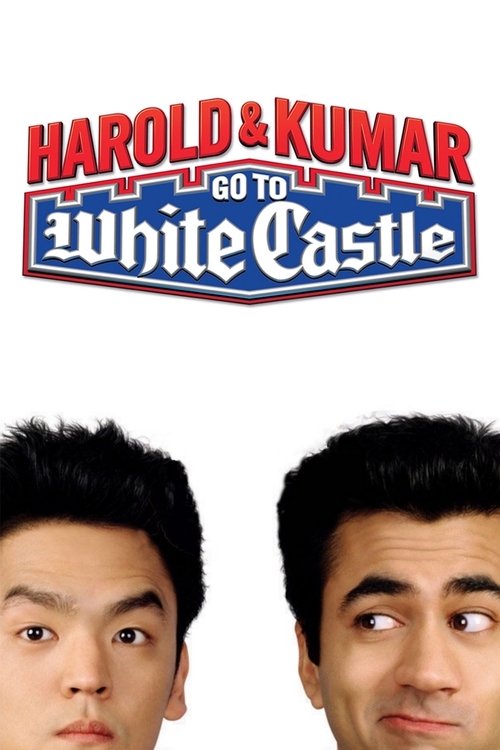
Harold & Kumar Go to White Castle
Nerdy accountant Harold and his irrepressible friend, Kumar, get stoned watching television and find themselves utterly bewitched by a commercial for White Castle. Convinced there must be one nearby, the two set out on a late-night odyssey that takes them deep into New Jersey. Somehow, the boys manage to run afoul of rednecks, cops and even a car-stealing Neil Patrick Harris before getting anywhere near their beloved sliders.
Despite its tight budget of $9.0M, Harold & Kumar Go to White Castle became a box office success, earning $23.9M worldwide—a 166% return.


Plot Structure
Story beats plotted across runtime


Narrative Arc
Emotional journey through the story's key moments
Story Circle
Blueprint 15-beat structure
Arcplot Score Breakdown
Weighted: Precision (70%) + Arc (15%) + Theme (15%)
Harold & Kumar Go to White Castle (2004) exhibits carefully calibrated narrative architecture, characteristic of Danny Leiner's storytelling approach. This structural analysis examines how the film's 15-point plot structure maps to proven narrative frameworks across 1 hour and 28 minutes. With an Arcplot score of 6.8, the film balances conventional beats with creative variation.
Characters
Cast & narrative archetypes

Harold Lee
Kumar Patel
Neil Patrick Harris
Maria
Main Cast & Characters
Harold Lee
Played by John Cho
An investment banking analyst who is overworked and pushes aside his own desires to please others, embarking on a journey to White Castle that becomes a night of self-discovery.
Kumar Patel
Played by Kal Penn
A rebellious slacker who deliberately sabotages his medical school interviews despite his natural intelligence, seeking freedom from his father's expectations.
Neil Patrick Harris
Played by Neil Patrick Harris
A fictionalized, wildly outrageous version of himself who picks up the duo while high on ecstasy, representing hedonistic chaos and unpredictability.
Maria
Played by Paula Garcés
Kumar's beautiful neighbor and love interest who represents his desire for genuine connection beyond his slacker persona.
Structural Analysis
The Status Quo at 1 minutes (1% through the runtime) establishes Harold at his cubicle, being exploited by colleagues who dump work on him. Kumar wakes up for a medical school interview he doesn't care about. Both are stuck in lives dictated by others' expectations.. Of particular interest, this early placement immediately immerses viewers in the story world.
The inciting incident occurs at 11 minutes when They see a White Castle commercial and become obsessed with getting sliders. The craving becomes an irresistible call to adventure, disrupting their typical stay-at-home Friday night.. At 12% through the film, this Disruption aligns precisely with traditional story structure. This beat shifts the emotional landscape, launching the protagonist into the central conflict.
The First Threshold at 21 minutes marks the transition into Act II, occurring at 24% of the runtime. This shows the protagonist's commitment to Harold and Kumar get in the car and actively choose to embark on the road trip to White Castle, leaving their safe apartment and crossing into the unpredictable night journey., moving from reaction to action.
At 44 minutes, the Midpoint arrives at 51% of the runtime—precisely centered, creating perfect narrative symmetry. Notably, this crucial beat Their car is stolen by Neil Patrick Harris, stranding them far from their destination. False defeat: the quest seems impossible now, stakes are raised, and they must find a new way forward., fundamentally raising what's at risk. The emotional intensity shifts, dividing the narrative into clear before-and-after phases.
The Collapse moment at 66 minutes (75% through) represents the emotional nadir. Here, Harold and Kumar have a major fight, their friendship fracturing under stress. Kumar accuses Harold of being too passive; Harold resents Kumar's recklessness. The emotional bond that sustains the journey appears to die., reveals the protagonist at their lowest point. This beat's placement in the final quarter sets up the climactic reversal.
The Second Threshold at 70 minutes initiates the final act resolution at 79% of the runtime. Harold and Kumar reconcile, realizing their friendship matters more than their differences. They recommit to the White Castle journey together, now understanding what they're really seeking: agency and authentic choice., demonstrating the transformation achieved throughout the journey.
Emotional Journey
Harold & Kumar Go to White Castle's emotional architecture traces a deliberate progression across 15 carefully calibrated beats.
Narrative Framework
This structural analysis employs a 15-point narrative structure framework that maps key story moments. By mapping Harold & Kumar Go to White Castle against these established plot points, we can identify how Danny Leiner utilizes or subverts traditional narrative conventions. The plot point approach reveals not only adherence to structural principles but also creative choices that distinguish Harold & Kumar Go to White Castle within the comedy genre.
Danny Leiner's Structural Approach
Among the 2 Danny Leiner films analyzed on Arcplot, the average structural score is 6.8, demonstrating varied approaches to story architecture. Harold & Kumar Go to White Castle represents one of the director's most structurally precise works. For comparative analysis, explore the complete Danny Leiner filmography.
Comparative Analysis
Additional comedy films include The Bad Guys, Ella Enchanted and The Evening Star. For more Danny Leiner analyses, see Dude, Where's My Car?.
Plot Points by Act
Act I
SetupStatus Quo
Harold at his cubicle, being exploited by colleagues who dump work on him. Kumar wakes up for a medical school interview he doesn't care about. Both are stuck in lives dictated by others' expectations.
Theme
Kumar's father lectures about responsibility and following the path laid out for him, representing the thematic tension between conformity and authentic desire that drives the story.
Worldbuilding
Introduction to Harold and Kumar's mundane lives: Harold being passive-aggressive at work, Kumar sabotaging his interview, their shared apartment, their Friday night routine, establishing their personalities and friendship dynamic.
Disruption
They see a White Castle commercial and become obsessed with getting sliders. The craving becomes an irresistible call to adventure, disrupting their typical stay-at-home Friday night.
Resistance
They debate whether to actually go, look up directions, discover the nearest White Castle is far away. They resist the journey, consider alternatives, but the craving persists and they prepare to leave.
Act II
ConfrontationFirst Threshold
Harold and Kumar get in the car and actively choose to embark on the road trip to White Castle, leaving their safe apartment and crossing into the unpredictable night journey.
Mirror World
Harold encounters Maria (his neighbor crush) at a party, representing the romantic subplot and the possibility of authentic connection that Harold has been too passive to pursue.
Premise
The "fun and games" road trip: encounters with extreme sports punks, a racist cop, Neil Patrick Harris, a tow truck driver, Princeton preppies, a battle-shitting contest, and a cheetah. The absurd odyssey the audience came for.
Midpoint
Their car is stolen by Neil Patrick Harris, stranding them far from their destination. False defeat: the quest seems impossible now, stakes are raised, and they must find a new way forward.
Opposition
Everything gets harder: they walk through dangerous areas, get picked up by a creepy tow truck driver, escape from his basement, encounter the racist cop again, and face mounting obstacles that test their resolve and friendship.
Collapse
Harold and Kumar have a major fight, their friendship fracturing under stress. Kumar accuses Harold of being too passive; Harold resents Kumar's recklessness. The emotional bond that sustains the journey appears to die.
Crisis
They separately contemplate giving up on the journey and each other. Dark night processing the collapse of their friendship and whether the quest was ever worth it.
Act III
ResolutionSecond Threshold
Harold and Kumar reconcile, realizing their friendship matters more than their differences. They recommit to the White Castle journey together, now understanding what they're really seeking: agency and authentic choice.
Synthesis
They finally reach White Castle, order massive amounts of food, achieve their goal, and savor victory. Harold decides to stand up to his coworkers; Kumar reconsiders medical school on his own terms. They drive home transformed.
Transformation
Harold and Kumar return home Saturday morning with their White Castle bags, satisfied and transformed. Harold prepares to confront his coworkers; both have reclaimed agency over their lives. The closing image mirrors the opening but shows growth.