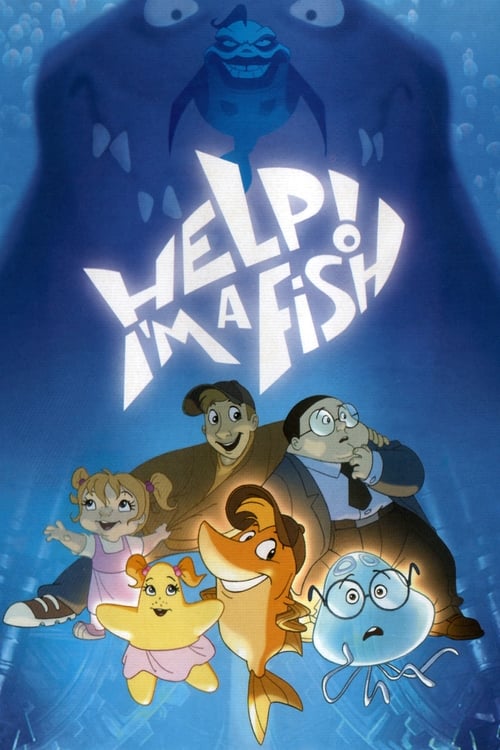
Help! I'm a Fish
Three children are accidentally transformed into fish after consuming a potion made by an eccentric scientist. The kids end up in the sea, with one problem: they must find and drink the antidote within 48 hours, or forever remain as fish.
The film financial setback against its moderate budget of $18.0M, earning $5.6M globally (-69% loss). While initial box office returns were modest, the film has gained appreciation for its compelling narrative within the adventure genre.

Plot Structure
Story beats plotted across runtime


Narrative Arc
Emotional journey through the story's key moments
Story Circle
Blueprint 15-beat structure
Arcplot Score Breakdown
Weighted: Precision (70%) + Arc (15%) + Theme (15%)
Help! I'm a Fish (2000) reveals deliberately positioned story structure, characteristic of Michael Hegner's storytelling approach. This structural analysis examines how the film's 15-point plot structure maps to proven narrative frameworks across 1 hour and 20 minutes. With an Arcplot score of 7.0, the film balances conventional beats with creative variation.
Characters
Cast & narrative archetypes

Fly
Stella
Chuck
Joe
Professor MacKrill
Main Cast & Characters
Fly
Played by Aaron Paul
A resourceful boy who becomes a California Flyfish and must find the antidote to return to human form before it's too late.
Stella
Played by Michelle Westerson
Fly's intelligent and brave younger sister who becomes a starfish and helps lead the quest for the antidote.
Chuck
Played by Teryl Rothery
Fly's gluttonous cousin who becomes a jellyfish and provides comic relief while struggling with his transformation.
Joe
Played by Alan Rickman
An intelligent and ambitious fish who drinks the potion to become human and seeks world domination.
Professor MacKrill
Played by Jeff Pace
The eccentric scientist who created the transformation potions, initially unaware of the chaos they would cause.
Structural Analysis
The Status Quo at 1 minutes (1% through the runtime) establishes Fly, Stella, and Chuck are ordinary kids spending summer by the harbor. Fly is curious and adventurous, living in a world of childhood freedom before responsibility strikes.. The analysis reveals that this early placement immediately immerses viewers in the story world.
The inciting incident occurs at 10 minutes when The children accidentally drink the professor's potion and fall into the sea, transforming into fish. Their human world is instantly stripped away, replaced by underwater survival.. At 13% through the film, this Disruption is delayed, allowing extended setup of the story world. This beat shifts the emotional landscape, launching the protagonist into the central conflict.
The First Threshold at 20 minutes marks the transition into Act II, occurring at 25% of the runtime. This illustrates the protagonist's commitment to The children commit to the underwater journey to find the antidote, leaving behind any hope of immediate rescue. They must fully embrace their fish forms to survive and succeed., moving from reaction to action.
At 40 minutes, the Midpoint arrives at 50% of the runtime—precisely centered, creating perfect narrative symmetry. Of particular interest, this crucial beat The villain Joe the shark reveals his plan to use the potion to become intelligent and dominate the ocean. The stakes escalate from personal survival to preventing tyranny; false defeat as their quest becomes more dangerous., fundamentally raising what's at risk. The emotional intensity shifts, dividing the narrative into clear before-and-after phases.
The Collapse moment at 60 minutes (75% through) represents the emotional nadir. Here, The children nearly lose their human consciousness entirely, almost forgetting who they were. The death of their humanity looms as they struggle to remember their names, families, and purpose., reveals the protagonist at their lowest point. This beat's placement in the final quarter sets up the climactic reversal.
The Second Threshold at 64 minutes initiates the final act resolution at 80% of the runtime. The children realize that their human bonds of friendship and love are what make them human, not their bodies. This emotional truth gives them strength to make one final push for the antidote., demonstrating the transformation achieved throughout the journey.
Emotional Journey
Help! I'm a Fish's emotional architecture traces a deliberate progression across 15 carefully calibrated beats.
Narrative Framework
This structural analysis employs a 15-point narrative structure framework that maps key story moments. By mapping Help! I'm a Fish against these established plot points, we can identify how Michael Hegner utilizes or subverts traditional narrative conventions. The plot point approach reveals not only adherence to structural principles but also creative choices that distinguish Help! I'm a Fish within the adventure genre.
Comparative Analysis
Additional adventure films include The Black Stallion, The Bad Guys and Puss in Boots.
Plot Points by Act
Act I
SetupStatus Quo
Fly, Stella, and Chuck are ordinary kids spending summer by the harbor. Fly is curious and adventurous, living in a world of childhood freedom before responsibility strikes.
Theme
Professor MacKrill mentions that intelligence and power must be balanced with responsibility and humanity, foreshadowing the film's exploration of what makes us truly human.
Worldbuilding
Introduction to the harbor town, the three children's personalities, and Professor MacKrill's eccentric laboratory. Establishes the world of childhood adventure and scientific experimentation.
Disruption
The children accidentally drink the professor's potion and fall into the sea, transforming into fish. Their human world is instantly stripped away, replaced by underwater survival.
Resistance
The children struggle to adapt to their fish bodies, learning the rules of underwater life. They must find the antidote before they lose their human minds completely, with time running out.
Act II
ConfrontationFirst Threshold
The children commit to the underwater journey to find the antidote, leaving behind any hope of immediate rescue. They must fully embrace their fish forms to survive and succeed.
Mirror World
Introduction of Joe the pilot fish, who represents loyalty and friendship. The children form bonds with sea creatures, discovering that connection and cooperation matter more than individual survival.
Premise
The adventure through the ocean depths, encountering various sea creatures and obstacles. The promise of an underwater adventure delivers wonder, danger, and discovery of the marine world.
Midpoint
The villain Joe the shark reveals his plan to use the potion to become intelligent and dominate the ocean. The stakes escalate from personal survival to preventing tyranny; false defeat as their quest becomes more dangerous.
Opposition
Joe the shark grows more intelligent and powerful, building an army. The children's humanity fades as they become more fish-like, losing memories and human thoughts. Time is running out on multiple fronts.
Collapse
The children nearly lose their human consciousness entirely, almost forgetting who they were. The death of their humanity looms as they struggle to remember their names, families, and purpose.
Crisis
In their darkest moment, the children must fight to hold onto their fading memories and humanity. They grapple with the fear of losing themselves forever to their fish forms.
Act III
ResolutionSecond Threshold
The children realize that their human bonds of friendship and love are what make them human, not their bodies. This emotional truth gives them strength to make one final push for the antidote.
Synthesis
The final confrontation with Joe the shark, using both their fish abilities and human intelligence. They recover the antidote and transform back, defeating the villain through teamwork and sacrifice.
Transformation
The children return to human form on the beach, transformed by their experience. They've learned responsibility, courage, and the value of their humanity, no longer taking their ordinary lives for granted.