
Hero and the Terror
Danny O'Brien is back in action fighting the notorious Simon Moon, also known as The Terror. Three years earlier O'Brien had single-handedly captured The Terror and was called Hero by the people of L.A. Now Simon has escaped and has started killing women again, and O'Brien is the only man who can stop him.
The film earned $6.0M at the global box office.


Plot Structure
Story beats plotted across runtime


Narrative Arc
Emotional journey through the story's key moments
Story Circle
Blueprint 15-beat structure
Arcplot Score Breakdown
Weighted: Precision (70%) + Arc (15%) + Theme (15%)
Hero and the Terror (1988) demonstrates deliberately positioned narrative design, characteristic of William Tannen's storytelling approach. This structural analysis examines how the film's 15-point plot structure maps to proven narrative frameworks across 1 hour and 36 minutes. With an Arcplot score of 6.8, the film balances conventional beats with creative variation.
Characters
Cast & narrative archetypes

Danny O'Brien

Simon Moon (The Terror)

Kay
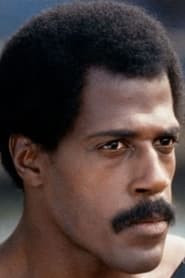
Captain Dwight Robinson
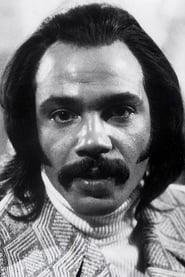
Dennis O'Brien
Main Cast & Characters
Danny O'Brien
Played by Chuck Norris
LAPD detective haunted by previous encounter with serial killer Simon Moon, struggling with fear and PTSD while preparing for fatherhood
Simon Moon (The Terror)
Played by Jack O'Halloran
Psychotic serial killer with superhuman strength who targets young women, obsessed with O'Brien
Kay
Played by Brynn Thayer
Danny's pregnant girlfriend, psychologist who provides emotional support and understanding
Captain Dwight Robinson
Played by Steve James
Danny's supportive police captain who understands his trauma and helps him face his fears
Dennis O'Brien
Played by Ron O'Neal
Danny's partner and fellow detective who provides backup and friendship
Structural Analysis
The Status Quo at 1 minutes (1% through the runtime) establishes Danny O'Brien is a celebrated LAPD detective, but haunted and withdrawn, unable to connect with his pregnant girlfriend Kay despite his public hero status.. Structural examination shows that this early placement immediately immerses viewers in the story world.
The inciting incident occurs at 11 minutes when Simon Moon, the serial killer Danny captured three years ago, escapes from the mental institution. Danny's worst nightmare returns, forcing him to confront the terror he'd tried to bury.. At 11% through the film, this Disruption aligns precisely with traditional story structure. This beat shifts the emotional landscape, launching the protagonist into the central conflict.
The First Threshold at 24 minutes marks the transition into Act II, occurring at 25% of the runtime. This indicates the protagonist's commitment to Danny accepts the assignment to catch Simon Moon again, committing to face his deepest fear despite knowing the psychological cost. He enters the dark world of the hunt., moving from reaction to action.
At 47 minutes, the Midpoint arrives at 49% of the runtime—precisely centered, creating perfect narrative symmetry. Notably, this crucial beat Simon murders another victim and taunts Danny directly, making it personal. The stakes raise as Danny realizes Simon is targeting people connected to him. False defeat: Danny seems to be one step behind., fundamentally raising what's at risk. The emotional intensity shifts, dividing the narrative into clear before-and-after phases.
The Collapse moment at 71 minutes (74% through) represents the emotional nadir. Here, Simon kidnaps Kay, taking her to his lair. Danny's worst fear is realized—his terror has endangered the woman he loves and their unborn child. Everything Danny tried to protect is now at risk., reveals the protagonist at their lowest point. This beat's placement in the final quarter sets up the climactic reversal.
The Second Threshold at 77 minutes initiates the final act resolution at 80% of the runtime. Danny realizes that his love for Kay and their child is stronger than his fear of Simon. He synthesizes the hero everyone thinks he is with the terrified man he knows himself to be, finding true courage., demonstrating the transformation achieved throughout the journey.
Emotional Journey
Hero and the Terror's emotional architecture traces a deliberate progression across 15 carefully calibrated beats.
Narrative Framework
This structural analysis employs proven narrative structure principles that track dramatic progression. By mapping Hero and the Terror against these established plot points, we can identify how William Tannen utilizes or subverts traditional narrative conventions. The plot point approach reveals not only adherence to structural principles but also creative choices that distinguish Hero and the Terror within the drama genre.
Comparative Analysis
Additional drama films include After Thomas, South Pacific and Dirty Dancing: Havana Nights.
Plot Points by Act
Act I
SetupStatus Quo
Danny O'Brien is a celebrated LAPD detective, but haunted and withdrawn, unable to connect with his pregnant girlfriend Kay despite his public hero status.
Theme
Kay tells Danny that being a hero means nothing if you can't face your own fears. The theme: true courage is confronting inner demons, not just external threats.
Worldbuilding
Establishment of Danny's world: his relationship with Kay, impending fatherhood, his trauma from the previous Simon Moon encounter, and his role as reluctant hero in the LAPD.
Disruption
Simon Moon, the serial killer Danny captured three years ago, escapes from the mental institution. Danny's worst nightmare returns, forcing him to confront the terror he'd tried to bury.
Resistance
Danny resists taking the case, wrestling with his fear of Simon. His partner and superiors pressure him while Kay tries to help him see he must face this. Flashbacks reveal the trauma of their first encounter.
Act II
ConfrontationFirst Threshold
Danny accepts the assignment to catch Simon Moon again, committing to face his deepest fear despite knowing the psychological cost. He enters the dark world of the hunt.
Mirror World
Danny and Kay have a tender moment about their coming baby. This subplot represents the life and love Danny is fighting for—the emotional stakes beyond just stopping a killer.
Premise
The cat-and-mouse game between Danny and Simon unfolds. Danny investigates crime scenes, follows leads, and gets deeper into Simon's twisted mind while trying to predict his next move. The hunt is on.
Midpoint
Simon murders another victim and taunts Danny directly, making it personal. The stakes raise as Danny realizes Simon is targeting people connected to him. False defeat: Danny seems to be one step behind.
Opposition
Simon's killing spree intensifies. Danny's fear and obsession grow, straining his relationship with Kay. The pressure mounts as the body count rises and Simon stays ahead of the investigation.
Collapse
Simon kidnaps Kay, taking her to his lair. Danny's worst fear is realized—his terror has endangered the woman he loves and their unborn child. Everything Danny tried to protect is now at risk.
Crisis
Danny faces his darkest moment, confronting the depth of his fear and what he might lose. He must decide: let fear paralyze him or find the courage to face Simon despite his terror.
Act III
ResolutionSecond Threshold
Danny realizes that his love for Kay and their child is stronger than his fear of Simon. He synthesizes the hero everyone thinks he is with the terrified man he knows himself to be, finding true courage.
Synthesis
Danny storms Simon's lair in the abandoned theater. The final confrontation: Danny faces his terror head-on, battles Simon, rescues Kay, and finally conquers both the external monster and his internal fear.
Transformation
Danny holds Kay and their newborn child, finally at peace. No longer haunted, he has integrated his fear and emerged whole. The hero is no longer running from terror but has conquered it through love.