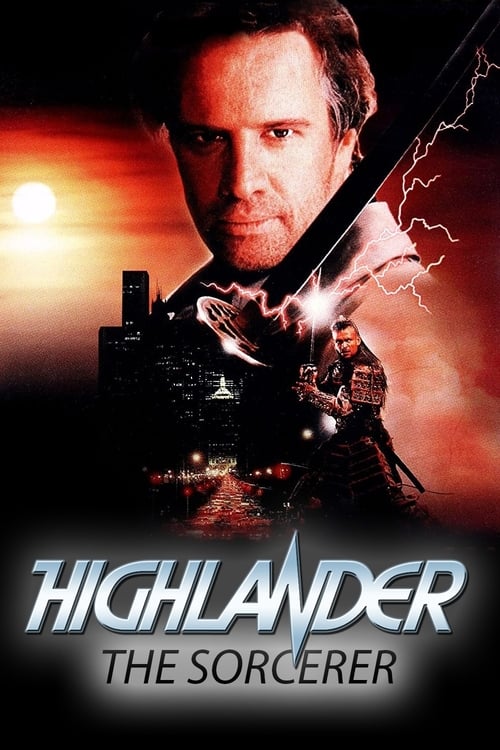
Highlander III: The Sorcerer
N/A
Working with a respectable budget of $30.0M, the film achieved a modest success with $36.7M in global revenue (+22% profit margin).


Plot Structure
Story beats plotted across runtime


Narrative Arc
Emotional journey through the story's key moments
Story Circle
Blueprint 15-beat structure
Arcplot Score Breakdown
Weighted: Precision (70%) + Arc (15%) + Theme (15%)
Highlander III: The Sorcerer (1994) reveals strategically placed narrative architecture, characteristic of Andrew Morahan's storytelling approach. This structural analysis examines how the film's 15-point plot structure maps to proven narrative frameworks across 1 hour and 39 minutes. With an Arcplot score of 6.8, the film balances conventional beats with creative variation.
Characters
Cast & narrative archetypes

Connor MacLeod
Kane
Alex Johnson
Nakano
John MacLeod
Main Cast & Characters
Connor MacLeod
Played by Christopher Lambert
Immortal warrior hiding in modern times as an antiques dealer, trying to live peacefully while protecting his adopted son from his dangerous past.
Kane
Played by Mario Van Peebles
Ancient sorcerer immortal trapped for centuries, freed to seek revenge and ultimate power through the Prize.
Alex Johnson
Played by Deborah Kara Unger
Archaeologist who discovers the cave where Kane was imprisoned, becoming romantically involved with Connor.
Nakano
Played by Mako
Japanese immortal sorcerer and mentor who taught Connor centuries ago, Kane's original opponent and keeper.
John MacLeod
Played by Gabriel Kakon
Connor's adopted teenage son, unaware of his father's immortal nature and true history.
Structural Analysis
The Status Quo at 1 minutes (1% through the runtime) establishes Connor MacLeod lives peacefully in 1994 as an antiques dealer, raising his adopted son John in Morocco, having left his immortal battles behind.. Notably, this early placement immediately immerses viewers in the story world.
The inciting incident occurs at 12 minutes when An archaeological excavation accidentally frees Kane and his followers from their centuries-long imprisonment in the Japanese cave, releasing Connor's deadliest enemy.. At 12% through the film, this Disruption aligns precisely with traditional story structure. This beat shifts the emotional landscape, launching the protagonist into the central conflict.
The First Threshold at 25 minutes marks the transition into Act II, occurring at 26% of the runtime. This demonstrates the protagonist's commitment to Kane kills immortal Sunda and takes his power, then psychically reaches out to Connor, forcing Connor to acknowledge he must return to the Game and face his past., moving from reaction to action.
At 50 minutes, the Midpoint arrives at 50% of the runtime—precisely centered, creating perfect narrative symmetry. The analysis reveals that this crucial beat Kane kidnaps John to draw Connor out, raising the stakes from a personal vendetta to a direct threat against Connor's adopted son and the life he's built., fundamentally raising what's at risk. The emotional intensity shifts, dividing the narrative into clear before-and-after phases.
The Collapse moment at 74 minutes (75% through) represents the emotional nadir. Here, Kane overpowers Connor in battle and buries him alive, seemingly killing him. Connor experiences visions of death and faces the loss of everything he fought to protect., demonstrates the protagonist at their lowest point. This beat's placement in the final quarter sets up the climactic reversal.
The Second Threshold at 79 minutes initiates the final act resolution at 80% of the runtime. Connor breaks free from his grave, spiritually reborn with clarity about his purpose. He synthesizes Nakano's wisdom with his own experience, ready to face Kane with full acceptance of who he is., demonstrating the transformation achieved throughout the journey.
Emotional Journey
Highlander III: The Sorcerer's emotional architecture traces a deliberate progression across 15 carefully calibrated beats.
Narrative Framework
This structural analysis employs systematic plot point analysis that identifies crucial turning points. By mapping Highlander III: The Sorcerer against these established plot points, we can identify how Andrew Morahan utilizes or subverts traditional narrative conventions. The plot point approach reveals not only adherence to structural principles but also creative choices that distinguish Highlander III: The Sorcerer within the n/a genre.
Comparative Analysis
Additional n/a films include Roald Dahl's Matilda the Musical, I Care a Lot and The Blackening.
Plot Points by Act
Act I
SetupStatus Quo
Connor MacLeod lives peacefully in 1994 as an antiques dealer, raising his adopted son John in Morocco, having left his immortal battles behind.
Theme
John asks Connor about magic and illusions versus reality, establishing the theme of confronting the past versus escaping into comfortable illusions.
Worldbuilding
Flashbacks reveal Connor's history: his training with Nakano in feudal Japan, the entombment of Kane and his immortals in a cave, and Connor's centuries of life believing the Game is over.
Disruption
An archaeological excavation accidentally frees Kane and his followers from their centuries-long imprisonment in the Japanese cave, releasing Connor's deadliest enemy.
Resistance
Connor experiences disturbing visions and sensations as Kane begins hunting other immortals. Connor resists returning to the Game, wanting to protect his peaceful life with John.
Act II
ConfrontationFirst Threshold
Kane kills immortal Sunda and takes his power, then psychically reaches out to Connor, forcing Connor to acknowledge he must return to the Game and face his past.
Mirror World
Connor meets Alex Johnson, an archaeologist researching the excavation site, who represents a potential for new love and connection to the modern world beyond his immortal isolation.
Premise
Connor investigates Kane's release while developing a relationship with Alex. Kane systematically hunts and kills immortals to gain their power, preparing for his confrontation with Connor.
Midpoint
Kane kidnaps John to draw Connor out, raising the stakes from a personal vendetta to a direct threat against Connor's adopted son and the life he's built.
Opposition
Connor must navigate Kane's traps while protecting Alex and trying to rescue John. Kane's power grows with each immortal he kills, and he uses illusions and manipulation to weaken Connor psychologically.
Collapse
Kane overpowers Connor in battle and buries him alive, seemingly killing him. Connor experiences visions of death and faces the loss of everything he fought to protect.
Crisis
Buried alive, Connor hallucinates and confronts his deepest fears. He recalls Nakano's teachings about inner strength and the true nature of immortality and illusion.
Act III
ResolutionSecond Threshold
Connor breaks free from his grave, spiritually reborn with clarity about his purpose. He synthesizes Nakano's wisdom with his own experience, ready to face Kane with full acceptance of who he is.
Synthesis
Connor confronts Kane in a final battle, using both his warrior skills and his understanding of illusion. He rescues John, defeats Kane's psychological manipulation, and beheads him, absorbing his power in the Quickening.
Transformation
Connor returns to his life with John and Alex, no longer running from his immortal nature but integrating it with his humanity, at peace with both his past and his future.