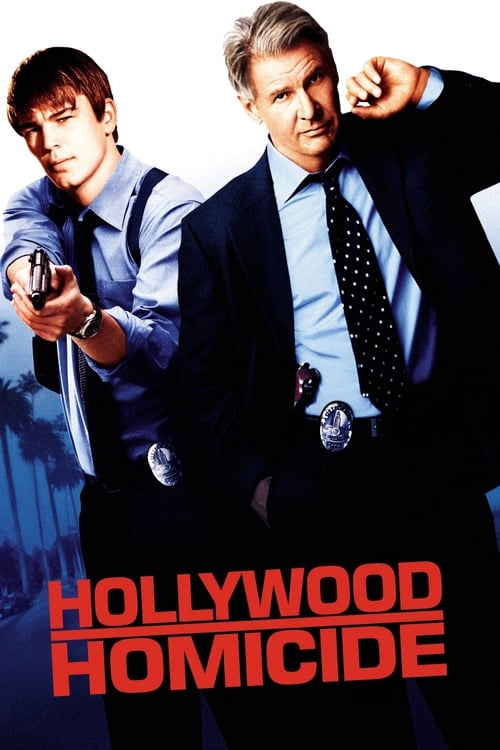
Hollywood Homicide
Joe Gavilan and his new partner K. C. Calden, are detectives on the beat in Tinseltown. Neither one of them really wants to be a cop, Gavilan moonlights as a real estate broker, and Calden is an aspiring actor moonlighting as a yoga instructor. When the two are assigned a big case they must work out whether they want to solve the case or follow their hearts.
The film underperformed commercially against its substantial budget of $75.0M, earning $51.1M globally (-32% loss). While initial box office returns were modest, the film has gained appreciation for its unconventional structure within the action genre.


Plot Structure
Story beats plotted across runtime


Narrative Arc
Emotional journey through the story's key moments
Story Circle
Blueprint 15-beat structure
Arcplot Score Breakdown
Weighted: Precision (70%) + Arc (15%) + Theme (15%)
Hollywood Homicide (2003) exhibits meticulously timed story structure, characteristic of Ron Shelton's storytelling approach. This structural analysis examines how the film's 15-point plot structure maps to proven narrative frameworks across 1 hour and 56 minutes. With an Arcplot score of 7.1, the film balances conventional beats with creative variation.
Characters
Cast & narrative archetypes

Joe Gavilan
K.C. Calden
Ruby
Lt. Leah
Antoine Sartain
Cleo
Main Cast & Characters
Joe Gavilan
Played by Harrison Ford
A veteran LAPD homicide detective who moonlights as a real estate agent to make ends meet while juggling multiple romantic relationships.
K.C. Calden
Played by Josh Hartnett
A young detective and aspiring actor who teaches yoga classes on the side, partnered with Gavilan on a murder investigation.
Ruby
Played by Lena Olin
A psychic and Gavilan's possessive girlfriend who becomes suspicious of his involvement with other women.
Lt. Leah
Played by Lolita Davidovich
Internal Affairs officer investigating Gavilan, with whom he has a complicated romantic history.
Antoine Sartain
Played by Isaiah Washington
A rap music producer and prime suspect in the murder of a hip-hop group, with connections to the entertainment industry.
Cleo
Played by Gladys Knight
A radio dispatcher who becomes romantically interested in K.C. Calden during the investigation.
Structural Analysis
The Status Quo at 1 minutes (1% through the runtime) establishes Detectives Joe Gavilan and K.C. Calden work the Hollywood beat while juggling side hustles - Joe sells real estate and K.C. Teaches yoga and dreams of acting. Their fractured focus on being cops is established.. Significantly, this early placement immediately immerses viewers in the story world.
The inciting incident occurs at 14 minutes when A rap group is brutally murdered at a nightclub in a professional hit. Joe and K.C. Are assigned the high-profile case that will demand their full attention as detectives.. At 12% through the film, this Disruption aligns precisely with traditional story structure. This beat shifts the emotional landscape, launching the protagonist into the central conflict.
The First Threshold at 29 minutes marks the transition into Act II, occurring at 25% of the runtime. This shows the protagonist's commitment to Joe and K.C. Commit to the investigation when they discover the murders are connected to a powerful record executive. They choose to pursue the case seriously despite the dangerous implications., moving from reaction to action.
At 58 minutes, the Midpoint arrives at 50% of the runtime—precisely centered, creating perfect narrative symmetry. Significantly, this crucial beat False victory: The detectives get a major break identifying the killer and his connection to the corrupt record executive Antoine Sartain. They think they're close to solving the case, but they've actually painted targets on their backs., fundamentally raising what's at risk. The emotional intensity shifts, dividing the narrative into clear before-and-after phases.
The Collapse moment at 87 minutes (75% through) represents the emotional nadir. Here, Joe is suspended from the force and faces financial ruin. K.C. Realizes his acting dreams are slipping away. The case is being taken from them. Their partnership and careers are dying - the death of their half-committed lives., reveals the protagonist at their lowest point. This beat's placement in the final quarter sets up the climactic reversal.
The Second Threshold at 93 minutes initiates the final act resolution at 80% of the runtime. The partners realize they must fully commit to being detectives to solve this case and save themselves. They synthesize their unique skills - Joe's street smarts and connections, K.C.'s physicality and determination - choosing authenticity over distraction., demonstrating the transformation achieved throughout the journey.
Emotional Journey
Hollywood Homicide's emotional architecture traces a deliberate progression across 15 carefully calibrated beats.
Narrative Framework
This structural analysis employs systematic plot point analysis that identifies crucial turning points. By mapping Hollywood Homicide against these established plot points, we can identify how Ron Shelton utilizes or subverts traditional narrative conventions. The plot point approach reveals not only adherence to structural principles but also creative choices that distinguish Hollywood Homicide within the action genre.
Ron Shelton's Structural Approach
Among the 7 Ron Shelton films analyzed on Arcplot, the average structural score is 7.3, reflecting strong command of classical structure. Hollywood Homicide takes a more unconventional approach compared to the director's typical style. For comparative analysis, explore the complete Ron Shelton filmography.
Comparative Analysis
Additional action films include The Bad Guys, Puss in Boots and Venom: The Last Dance. For more Ron Shelton analyses, see White Men Can't Jump, Dark Blue and Play It to the Bone.
Plot Points by Act
Act I
SetupStatus Quo
Detectives Joe Gavilan and K.C. Calden work the Hollywood beat while juggling side hustles - Joe sells real estate and K.C. teaches yoga and dreams of acting. Their fractured focus on being cops is established.
Theme
A conversation about authenticity vs. selling out in Hollywood - can you pursue your real dreams while pretending to be something else? The central tension of identity and commitment.
Worldbuilding
Introduction to Joe's complicated love life with multiple women, K.C.'s acting aspirations and yoga teaching, the corrupt Hollywood music scene, and the partners' strained professional relationship as underpaid LAPD detectives.
Disruption
A rap group is brutally murdered at a nightclub in a professional hit. Joe and K.C. are assigned the high-profile case that will demand their full attention as detectives.
Resistance
The detectives investigate reluctantly while their personal lives intrude - Joe fields calls from creditors and girlfriends, K.C. prepares for an acting audition. They debate whether to fully commit to solving the case or maintain their distracted status quo.
Act II
ConfrontationFirst Threshold
Joe and K.C. commit to the investigation when they discover the murders are connected to a powerful record executive. They choose to pursue the case seriously despite the dangerous implications.
Mirror World
K.C.'s relationship with his acting teacher/girlfriend deepens, representing the authentic path vs. his compromised life as a half-committed cop. She challenges him to choose what he really wants.
Premise
The fun of buddy-cop action in Hollywood - car chases, interrogating eccentric music industry characters, Joe juggling his romantic entanglements while investigating, K.C. sneaking off to auditions. The premise delivers on action-comedy in the entertainment world.
Midpoint
False victory: The detectives get a major break identifying the killer and his connection to the corrupt record executive Antoine Sartain. They think they're close to solving the case, but they've actually painted targets on their backs.
Opposition
Internal Affairs investigates Joe for his questionable business dealings. The killer actively hunts them. Joe's financial troubles escalate as a crucial real estate deal falls apart. K.C. bombs his big audition. Their fractured focus is destroying them.
Collapse
Joe is suspended from the force and faces financial ruin. K.C. realizes his acting dreams are slipping away. The case is being taken from them. Their partnership and careers are dying - the death of their half-committed lives.
Crisis
Joe and K.C. sit with their failures. They confront the reality that trying to be everything has made them nothing. A dark night wrestling with whether to give up or finally choose commitment.
Act III
ResolutionSecond Threshold
The partners realize they must fully commit to being detectives to solve this case and save themselves. They synthesize their unique skills - Joe's street smarts and connections, K.C.'s physicality and determination - choosing authenticity over distraction.
Synthesis
Epic finale: Joe and K.C. pursue the killer and Sartain in an extended action sequence through Hollywood, culminating in a car chase and confrontation. They work as true partners, fully committed, taking down the conspirators and clearing their names.
Transformation
Joe and K.C. stand as committed detectives, having solved the case through authentic partnership. The closing image shows them focused on police work, their side hustles no longer distracting from their true calling. Transformation complete.