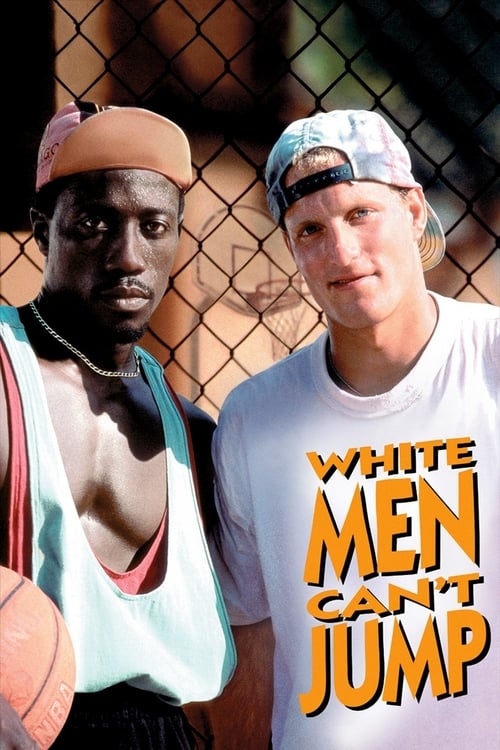
White Men Can't Jump
Two street basketball hustlers try to con each other, then team up for a bigger score.
Despite a moderate budget of $31.0M, White Men Can't Jump became a solid performer, earning $90.8M worldwide—a 193% return.


Plot Structure
Story beats plotted across runtime


Narrative Arc
Emotional journey through the story's key moments
Story Circle
Blueprint 15-beat structure
Arcplot Score Breakdown
Weighted: Precision (70%) + Arc (15%) + Theme (15%)
White Men Can't Jump (1992) reveals carefully calibrated dramatic framework, characteristic of Ron Shelton's storytelling approach. This structural analysis examines how the film's 15-point plot structure maps to proven narrative frameworks across 1 hour and 55 minutes. With an Arcplot score of 7.6, the film showcases strong structural fundamentals.
Structural Analysis
The Status Quo at 1 minutes (1% through the runtime) establishes Billy Hoyle arrives at Venice Beach playground in his beat-up Bronco, appearing as an unassuming white guy. He watches the basketball games with calculated interest, sizing up the hustlers while pretending to be a clueless outsider.. Notably, this early placement immediately immerses viewers in the story world.
The inciting incident occurs at 13 minutes when Sidney tracks down Billy and confronts him about the hustle. Sidney loses money and respect, creating the catalyst for their relationship. Sidney demands a rematch, but more importantly, he sees an opportunity in Billy's unexpected talent.. At 12% through the film, this Disruption aligns precisely with traditional story structure. This beat shifts the emotional landscape, launching the protagonist into the central conflict.
The First Threshold at 28 minutes marks the transition into Act II, occurring at 25% of the runtime. This illustrates the protagonist's commitment to Billy and Sidney officially agree to become partners and run hustles together. Billy makes an active choice to trust Sidney and enter this partnership world, leaving behind his solo operation. They commit to working as a team., moving from reaction to action.
At 57 minutes, the Midpoint arrives at 49% of the runtime—precisely centered, creating perfect narrative symmetry. Structural examination shows that this crucial beat False victory: Billy and Sidney pull off their biggest hustle yet, winning substantial money. They feel invincible and their partnership seems perfect. However, the stakes raise as they attract attention from dangerous players and Billy's gambling debts surface. The easy money phase ends., fundamentally raising what's at risk. The emotional intensity shifts, dividing the narrative into clear before-and-after phases.
The Collapse moment at 85 minutes (74% through) represents the emotional nadir. Here, Billy loses all their money gambling, betraying Sidney's trust completely. Gloria leaves Billy, seeing he'll never change. Sidney's partnership and friendship with Billy dies. Billy is alone, broke, and has lost both his partner and girlfriend. The "death" of Billy's old self and his relationships., shows the protagonist at their lowest point. This beat's placement in the final quarter sets up the climactic reversal.
The Second Threshold at 92 minutes initiates the final act resolution at 80% of the runtime. Billy realizes he needs to win back respect - not through hustling, but through genuine partnership and honoring commitments. He seeks out Sidney to make amends and proposes entering a legitimate two-on-two tournament. New information: respect can't be hustled, it must be earned through authentic action., demonstrating the transformation achieved throughout the journey.
Emotional Journey
White Men Can't Jump's emotional architecture traces a deliberate progression across 15 carefully calibrated beats.
Narrative Framework
This structural analysis employs systematic plot point analysis that identifies crucial turning points. By mapping White Men Can't Jump against these established plot points, we can identify how Ron Shelton utilizes or subverts traditional narrative conventions. The plot point approach reveals not only adherence to structural principles but also creative choices that distinguish White Men Can't Jump within the comedy genre.
Ron Shelton's Structural Approach
Among the 7 Ron Shelton films analyzed on Arcplot, the average structural score is 7.3, reflecting strong command of classical structure. White Men Can't Jump represents one of the director's most structurally precise works. For comparative analysis, explore the complete Ron Shelton filmography.
Comparative Analysis
Additional comedy films include The Bad Guys, Ella Enchanted and The Evening Star. For more Ron Shelton analyses, see Hollywood Homicide, Dark Blue and Play It to the Bone.
Plot Points by Act
Act I
SetupStatus Quo
Billy Hoyle arrives at Venice Beach playground in his beat-up Bronco, appearing as an unassuming white guy. He watches the basketball games with calculated interest, sizing up the hustlers while pretending to be a clueless outsider.
Theme
Sidney Deane articulates the film's central theme about perception versus reality, respect, and racial stereotypes when he dismisses Billy's ability based on his appearance. The dialogue establishes the core question: what makes someone worthy of respect?
Worldbuilding
Introduction to the Venice Beach streetball world, the culture of hustling, and the players. Billy hustles Sidney and his partner for money, revealing his actual skills. We meet Gloria, Billy's girlfriend who dreams of appearing on Jeopardy. Sidney's family life and financial struggles are established.
Disruption
Sidney tracks down Billy and confronts him about the hustle. Sidney loses money and respect, creating the catalyst for their relationship. Sidney demands a rematch, but more importantly, he sees an opportunity in Billy's unexpected talent.
Resistance
Sidney and Billy debate partnering up. Billy is resistant to commitment and partnership, preferring to work alone. Sidney pursues Billy, recognizing the hustle potential. Gloria pressures Billy about their future. Sidney and Billy begin tentatively working together, testing each other.
Act II
ConfrontationFirst Threshold
Billy and Sidney officially agree to become partners and run hustles together. Billy makes an active choice to trust Sidney and enter this partnership world, leaving behind his solo operation. They commit to working as a team.
Mirror World
Billy is brought into Sidney's family life, meeting his wife Rhonda and children. This domestic world represents everything Billy lacks - stability, trust, commitment, and genuine connection. Sidney's family becomes the thematic mirror showing Billy what partnership and respect truly mean.
Premise
The "fun and games" of the hustle partnership. Billy and Sidney run various cons on the courts, making money and building chemistry. Their banter and one-upmanship showcases their dynamic. Gloria studies for Jeopardy. The promise of the premise: watching these two different worlds collide on the basketball court.
Midpoint
False victory: Billy and Sidney pull off their biggest hustle yet, winning substantial money. They feel invincible and their partnership seems perfect. However, the stakes raise as they attract attention from dangerous players and Billy's gambling debts surface. The easy money phase ends.
Opposition
Pressure mounts from multiple angles. Billy's gambling debts to dangerous people catch up with him. Sidney and Billy's partnership strains as their different values clash - Sidney wants to protect his family, Billy wants bigger scores. Gloria becomes frustrated with Billy's inability to commit or change. The hustlers they've conned want revenge.
Collapse
Billy loses all their money gambling, betraying Sidney's trust completely. Gloria leaves Billy, seeing he'll never change. Sidney's partnership and friendship with Billy dies. Billy is alone, broke, and has lost both his partner and girlfriend. The "death" of Billy's old self and his relationships.
Crisis
Billy hits rock bottom emotionally. He confronts what he's lost and why - his inability to respect others or commit to anything beyond himself. He processes the darkness of his choices and faces who he's become. Sidney also processes the betrayal.
Act III
ResolutionSecond Threshold
Billy realizes he needs to win back respect - not through hustling, but through genuine partnership and honoring commitments. He seeks out Sidney to make amends and proposes entering a legitimate two-on-two tournament. New information: respect can't be hustled, it must be earned through authentic action.
Synthesis
Billy and Sidney enter the tournament, playing as true partners for the first time. Billy demonstrates changed behavior - trusting Sidney, playing team ball, showing respect. The finale culminates in their championship game where Billy must choose between individual glory and team success. He chooses partnership.
Transformation
Billy returns to support Gloria at her Jeopardy appearance, showing he's learned to commit and support others. The closing image mirrors the opening but shows transformation - Billy is no longer the lone hustler, but someone capable of genuine partnership and respect. He's learned to listen and honor others.